
Christian Art | Prayer With Jesus | The Psalms
Psalm 2 | King James Audio Bible
YouTube | Psalm 2 KJV | King James Audio Bible | Word Aloud
Psalm 2 explores interaction between human desires and the authority of a higher power, shedding light on the tensions that can arise. Imagine leaders and nations pursuing their own plans, seemingly detached from divine considerations. This psalm paints a portrait of their ambitions and the contrast between their aspirations and the greater divine scheme.
At its core, Psalm 2 explores the idea that while humans may seek autonomy from spiritual guidance, there’s a universal authority that oversees all. It’s as if the psalm invites us to witness the grand tapestry of human ambition and then pans out to reveal a cosmic laughter, almost as if the universe finds these human pursuits a bit amusing in light of the divine plan.
The psalm introduces the concept of the ‘Anointed One’, someone chosen with a special role that’s divinely ordained. This figure becomes a focal point, emphasizing the importance of recognizing and aligning with this unique connection to the divine.
Psalm 2 serves as a gentle reminder that amid the hustle and bustle of human endeavours, there’s a higher order, a sort of celestial symphony, orchestrating events. It invites us to reflect on the interplay between our actions and the greater purpose that exists beyond our immediate goals. The psalm reminds us that understanding our place within this grand narrative involves respecting the wisdom that comes from a source beyond our own.

Psalm 2 | King James Audio Bible KJV
Why do the heathen rage, and the people imagine a vain thing?
The kings of the earth set themselves, and the rulers take counsel together, against the Lord, and against his anointed, saying,
Let us break their bands asunder, and cast away their cords from us.
He that sitteth in the heavens shall laugh: the Lord shall have them in derision.
Then shall he speak unto them in his wrath, and vex them in his sore displeasure.
Yet have I set my king upon my holy hill of Zion.
I will declare the decree: the Lord hath said unto me, Thou art my Son; this day have I begotten thee.
Ask of me, and I shall give thee the heathen for thine inheritance, and the uttermost parts of the earth for thy possession.
Thou shalt break them with a rod of iron; thou shalt dash them in pieces like a potter’s vessel.
Be wise now therefore, O ye kings: be instructed, ye judges of the earth.
Serve the Lord with fear, and rejoice with trembling.
Kiss the Son, lest he be angry, and ye perish from the way, when his wrath is kindled but a little. Blessed are all they that put their trust in him.
Key Themes Of The Psalm For Reflection | Love Revealed
- Human Ambition vs. Divine Authority: The psalm contrasts the ambitions and plans of human rulers and nations with the supreme authority of a higher power.
- Rebellion and Opposition: It explores the idea of people and rulers rebelling against divine guidance and pursuing their own paths, symbolizing human resistance to spiritual authority.
- Divine Laughter and Sovereignty: The psalm portrays a sense of divine amusement or irony in the face of human arrogance, highlighting the ultimate sovereignty and control of a higher power.
- Recognition of the Anointed One: The psalm introduces the concept of an ‘Anointed One’, a figure chosen by God with a special role. This underscores the significance of acknowledging and respecting divine appointments.
- Divine Plan and Higher Purpose: Psalm 2 touches on the idea that human aspirations, though they may seem significant, are part of a larger divine plan. It encourages humility in recognizing our place within this greater narrative.
- Respect and Submission: The psalm encourages respect for the divine and submission to its wisdom, implying that aligning with divine guidance leads to a harmonious existence.
- Universal Themes: The themes presented in Psalm 2 have universal relevance, transcending time and culture, and prompting reflection on the nature of power, authority, and spirituality.
- Cosmic Perspective: It invites readers to consider the cosmic perspective, reminding us that while human actions might hold importance, there’s a higher order that oversees all events.
- Message of Harmony: Overall, the psalm suggests that finding harmony involves acknowledging the presence of a divine plan that extends beyond individual pursuits, and aligning our actions with this higher purpose.




This is an extraordinary scene. Many, many people are gathered with Jesus to hear his teaching, which is the Sermon on the Mount. The people will not all be friends; there will be different, sectarian groups, and rivalries between them. Some of those gathered to listen to Jesus will be suspicious of others. Nor can the people yet understand what is happening here, just who and what Jesus is. The people have flocked to – see someone, hear someone, someone new and extraordinary, someone perhaps who can answer their needs. Their coming to Jesus is an expression of hope and longing. Who knows what thoughts there must have been as people looked around to see all those others gathered. This is a vast company of strangers [ … ]
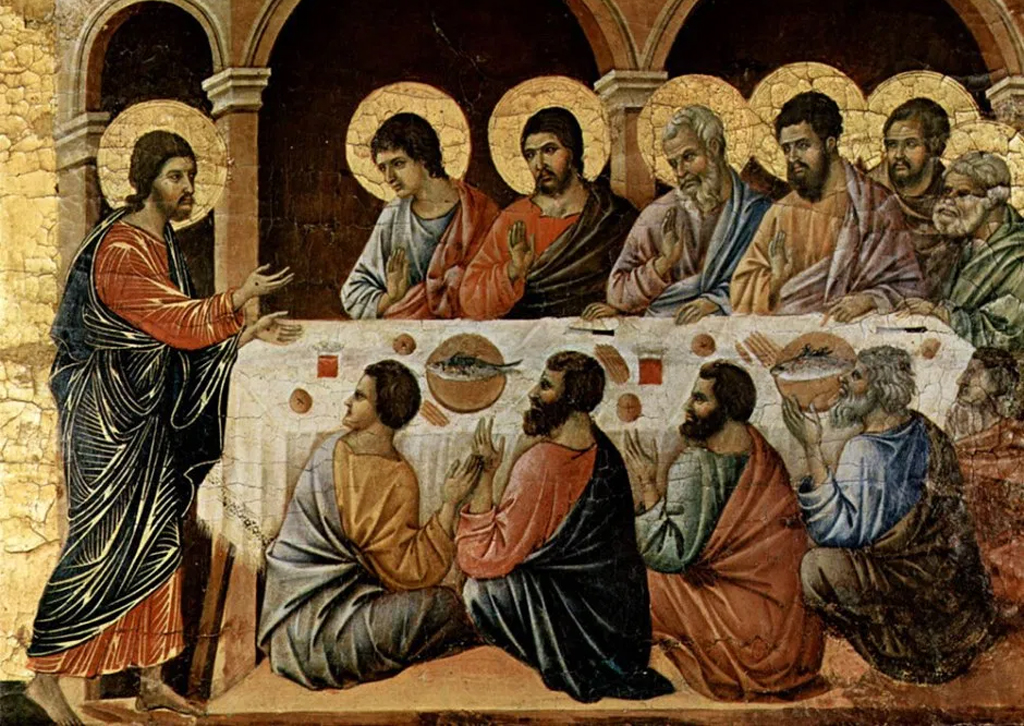
Jesus now gives to us a clear and ready way to salvation. We are to behold the Son of God, to believe in him, and then we shall be saved. These Bible verses for Easter continue to draw on the great miracle of the loaves and the fishes, when Jesus took a poor boy’s daily ration and fed the five thousand who had gathered to hear his word [ … ]
Psalm 97 commences with a declarative burst: ‘The Lord reigneth; let the earth rejoice; let the multitude of isles be glad thereof.’ The proclamation sets the tone for universal celebration, urging the earth and its distant isles to exult in response to the Lord’s sovereign rule. The very essence of the psalm lies in the rejoicing prompted by recognition of the Lord’s reign—a theme that resonates through each verse [ … ]
