

Christian Art | Easter To Pentecost
John 6: 22-29 Audio Bible KJV | King James Audio Bible | King James Version | Daily Verses
22 ¶ The day following, when the people which stood on the other side of the sea saw that there was none other boat there, save that one whereinto his disciples were entered, and that Jesus went not with his disciples into the boat, but that his disciples were gone away alone;
23 (Howbeit there came other boats from Tiberias nigh unto the place where they did eat bread, after that the Lord had given thanks:)
24 When the people therefore saw that Jesus was not there, neither his disciples, they also took shipping, and came to Capernaum, seeking for Jesus.
25 And when they had found him on the other side of the sea, they said unto him, Rabbi, when camest thou hither?
26 Jesus answered them and said, Verily, verily, I say unto you, Ye seek me, not because ye saw the miracles, but because ye did eat of the loaves, and were filled.
27 Labour not for the meat which perisheth, but for that meat which endureth unto everlasting life, which the Son of man shall give unto you: for him hath God the Father sealed.
28 Then said they unto him, What shall we do, that we might work the works of God?
29 Jesus answered and said unto them, This is the work of God, that ye believe on him whom he hath sent.
The people who have been fed through the miracle of the loaves and the fishes now seek Jesus and are mystified that he should not be near. They have seen that there was only one boat and that the disciples of Jesus have gone alone into the boat to pass across the Sea of Galilee. The events that have taken place overnight, as Jesus walked across the water, would have been completely beyond their comprehension. Now, though, in the morning, there are more boats, which can take the people across the lake to Capernaum. There they go, seeking Jesus.
The people do indeed discover Jesus, and now they acknowledge him as a great teacher, as Rabbi. However, the way in which they seek him is imperfect. As Jesus tells them, they seek him because they have been fed through the miracle, such that they know that their physical appetite has been sated. Now they need to understand the spiritual significance of the loaves and the fishes. So Jesus begins his discourse on the Bread of Life.
We are taught now to distinguish between fleshly and spiritual food. Why do we hunger for that which perishes? Why do we attach ourselves to the transient things of this life when there is so much more, from the knowledge of which our fleshly appetites distract us? Our bodily food keeps us alive in this life. The food offered to us by Jesus is the spiritual food which brings us to eternal life. Christ now reveals the mystery of the Eucharist.
Only God can give us this spiritual food, the bread of life. Jesus will go on to explain that he is the bread of life, that it is his body in which we must share, in which we are invited to share. This will be a difficult message for the people to grasp, and many will not do so.
Now, at the commencement of this discourse, we are taught to aspire to the life of the spirit, and to know that the life eternal has been prepared for us. Moreover, Jesus teaches us through these Bible verses that he is the key and the gateway, that the Father has sent his Son, who is Jesus. We are asked to believe in him. It is through Jesus that we receive the spiritual food, the bread of life eternal, and that bread is in fact Jesus.
‘The liberation of the children of Israel, and the journey by which they were led to the homeland they had long ago been promised, correspond to the mystery of our redemption, through which we make our way to the brightness of our heavenly home, with the grace of Christ as our light and guide. The light of grace is symbolized by the pillar of cloud and fire which throughout their journey protected them from the darkness of the night, and led them along their secret path to their home in the promised land.’ St Bede


Audio Bible KJV | King James Audio Bible | King James Version | Endnotes
How Are We To Understand Belief In Jesus’ Miracles?
One way of understanding belief in miracles is as an expression of trust in God’s power and goodness. By believing that God can intervene in the world in miraculous ways, Christians demonstrate their faith in his ability to act in their lives and in the lives of others. This trust in God’s power is closely connected to the idea of providence, which holds that God is in control of all things and that he works all things together for the good of those who love him (Romans 8:28).
At the same time, belief in miracles can also be seen as a sign of hope. When faced with difficult or seemingly impossible situations, the knowledge that God is capable of working miracles can provide comfort and reassurance. This is reflected in the many stories within the Bible of individuals who experienced miraculous healing or deliverance from danger, and who were thus able to continue on in their faith with renewed strength and confidence.
One important aspect of belief in Jesus’ miracles is the idea of testimony. Throughout the Bible, individuals who witness miraculous events are often called upon to bear witness to what they have seen, as a means of spreading the good news of God’s power and love. This is reflected in the Gospel of John, which emphasizes the importance of testimony in building faith in Jesus as the Son of God.
John 20: 30-31 states: ‘And many other signs truly did Jesus in the presence of his disciples, which are not written in this book: But these are written, that ye might believe that Jesus is the Christ, the Son of God; and that believing ye might have life through his name.’ (KJV) This passage highlights the role of miracles in building faith in Jesus, as well as the importance of sharing that faith with others.
In the Catholic Church, belief in miracles is also closely tied to the concept of saints and their intercession. Catholics believe that saints who have lived virtuous lives and have been canonized by the Church can intercede on behalf of the living, and that miracles can occur through their intercession. This belief is based on the idea that saints who have been purified by their faith and good works are especially close to God, and can thus play a powerful role in the lives of those who ask for their help.
It is important to note that belief in miracles is not an essential component of Christian faith for all believers. While some may see miracles as evidence of God’s power and presence in the world, others may place greater emphasis on other aspects of faith, such as prayer, scripture study, and living a virtuous life.
Saint Augustine believed that miracles were not necessary for faith, but that they could be useful as a means of strengthening it. He wrote, ‘Miracles do not constitute faith, but are rather the means of producing faith.’ (City Of God, Book 22, Chapter 8)
Martin Luther, the 16th Century Protestant reformer, saw miracles as a way of confirming the truth of the Gospel message. He believed that miracles were not the essence of faith, but rather a sign of God’s presence and power. Luther wrote: ‘Miracles are not the cause of faith, but rather its fruit and effect.’ (Table Talk, No. 593)
Pope Francis has spoken about the role of miracles in Christian faith and the importance of believing in Jesus as the Son of God. In a homily given in 2014, he emphasized the importance of trusting in God’s power to work miracles, saying: ‘The power of God, the power of faith, has worked so many miracles in history, and continues to work them today.’


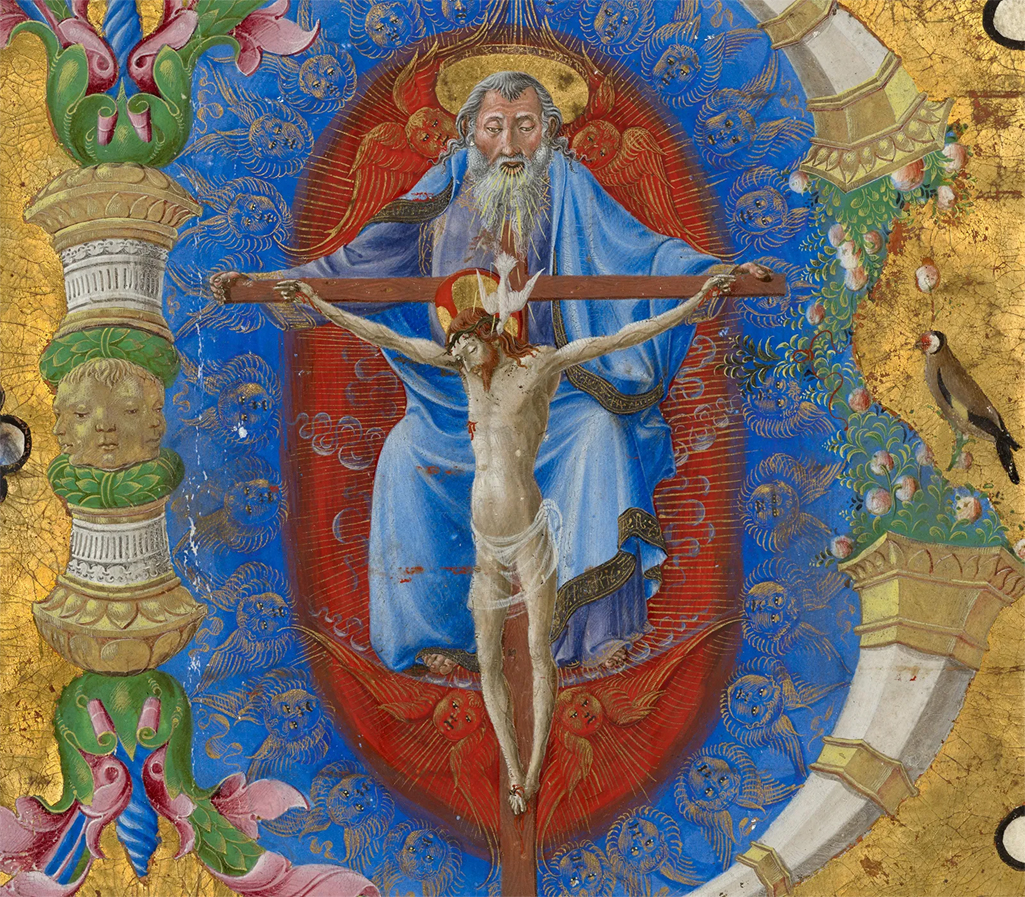
We are called by Jesus to acknowledge our Christianity to others, not to be afraid of physical threats or of other discomforts. In our own time, this encompasses a broad range of Christian experience, ranging from real physical, and mortal, danger at the hands of fanatical extremists of other faiths, to, in more civilized territories, the snide denigration of Christian faith by anti-theists, and such social embarrassment as might follow from this [ … ]
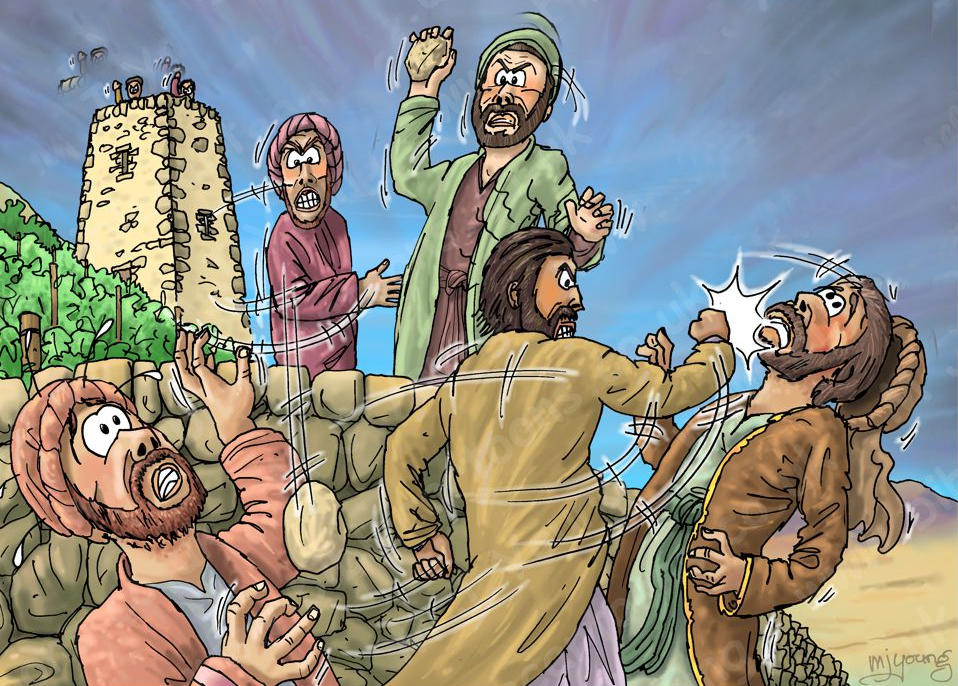
Jesus offers the parable of the wicked tenants as part of a larger discourse in which he responds, in the Temple, to the challenge of the scribes and the elders of the people concerning his authority. The parable leads the entrenched Jewish authorities to see the truth for themselves and yet still to reject the truth about themselves. Though their lives could have been enlightened by the parable, they refuse conversion and rather seek to arrest Jesus. They have the option to choose good; they choose evil [ … ]

Psalm 85, attributed to the sons of Korah, explores themes of restoration, divine favour, and the intricate relationship between God and His people. The psalm emerges from a specific historical context, likely a period of return from captivity, where the gracious hand of God had already been evident in bringing back the exiles of Jacob [ … ]
