
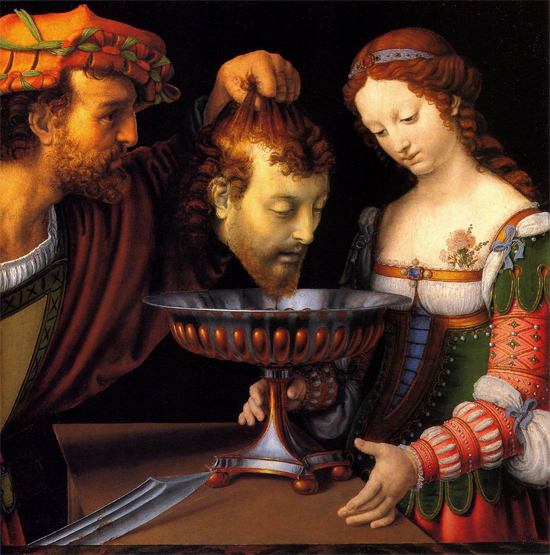
Christian Art | Martyrdom Of John The Baptist | Christian Saints And Martyrdom In The Bible
Matthew 14: 1-12 – Week 17 Ordinary Time, Saturday (King James Audio Bible KJV, Spoken Word)
1 AT that time Herod the tetrarch heard of the fame of Jesus,
2 And said unto his servants, This is John the Baptist; he is risen from the dead; and therefore mighty works do shew forth themselves in him.
3 ¶ For Herod had laid hold on John, and bound him, and put him in prison for Herodias’ sake, his brother Philip’s wife.
4 For John said unto him, It is not lawful for thee to have her.
5 And when he would have put him to death, he feared the multitude, because they counted him as a prophet.
6 But when Herod’s birthday was kept, the daughter of Herodias danced before them, and pleased Herod.
7 Whereupon he promised with an oath to give her whatsoever she would ask.
8 And she, being before instructed of her mother, said, Give me here John Baptist’s head in a charger.
9 And the king was sorry: nevertheless for the oath’s sake, and them which sat with him at meat, he commanded it to be given her.
10 And he sent, and beheaded John in the prison.
11 And his head was brought in a charger, and given to the damsel: and she brought it to her mother.
12 And his disciples came, and took up the body, and buried it, and went and told Jesus.
Today’s Gospel verses provide great insight into the political constitution of Jesus’ homeland during the lifetime of Jesus. Herod the tetrarch, Herod Antipas, is in charge, a client of the Roman Empire and son of Herod the Great. He governed Galilee and Perea. He was married, according to the Jewish historian Flavius Josephus, to a daughter of an Arabian king, but lived in concubinage with Herodias, his brother’s wife.
John the Baptist had criticised Herod’s immoral life, which was in conflict with the sexual morality laid down in the Law and was a cause of scandal. Herod’s broader fear concerning John was that he might become the leader of a popular movement and create unrest, which would endanger Herod’s position. Herod’s attitude to John is that of a tyrant, who has imposed his will on the land, and by so doing has caused the people suffering. Taxes imposed on the people would be channelled to Tiberiade, the newly constructed capital, built around the year 20 and named in honour of Tiberius, Emperor of Rome. The city itself was an imposition upon the people of Galilee, the presence of a cemetery, for example, rendering the site ritually unclean for the priestly caste to live in, Herod forcefully resettling many non-Jews there to populate his new city.
We see the lavish and lascivious fruits of such tyranny in the orgy during which Herod makes his vow to the daughter of Herodias, who was called Salome. St Augustine comments: ‘Amid the excess and sensuality of the guests, oaths are rashly made, which then are unjustly kept.’ It is a sin to make an oath to do something unjust; any such oath has no binding force. Indeed, to keep such an oath compounds the sin. Such is the environment Herod has created around himself, that his conscience is lost to him, as he is submerged within evil – within the egotism and false display which are attendant upon tyranny. Herod’s murder of John the Baptist is the result of dehumanizing orgy.
It may seem wonderful to us that these Bible verses end on a tender note. John the Baptist’s disciples come to take care of his body, to express love and give the body a fitting, decent end. Then they go to tell Jesus what has happened. We can imagine what Jesus must have felt and thought at the news of his friend’s death, and the concern with which the disciples must have given Jesus the news, as an act of love.

Concluding Prayer | Love Revealed By Jesus Christ | King James Audio Bible
I cried with my whole heart; hear me, O LORD: I will keep thy statutes.
I cried unto thee; save me, and I shall keep thy testimonies.
I prevented the dawning of the morning, and cried: I hoped in thy word.
Mine eyes prevent the night watches, that I might meditate in thy word.
Hear my voice according unto thy lovingkindness: O LORD, quicken me according to thy judgment.
They draw nigh that follow after mischief: they are far from thy law.
Thou art near, O LORD; and all thy commandments are truth.
Concerning thy testimonies, I have known of old that thou hast founded them for ever. (Psalm 118/119, 145-152, XIX, Koph)
Let the splendour of the resurrection
light up our hearts and minds, Lord,
scattering the shadows of death,
and bringing us to the radiance of eternity.
We make our prayer through our Lord.


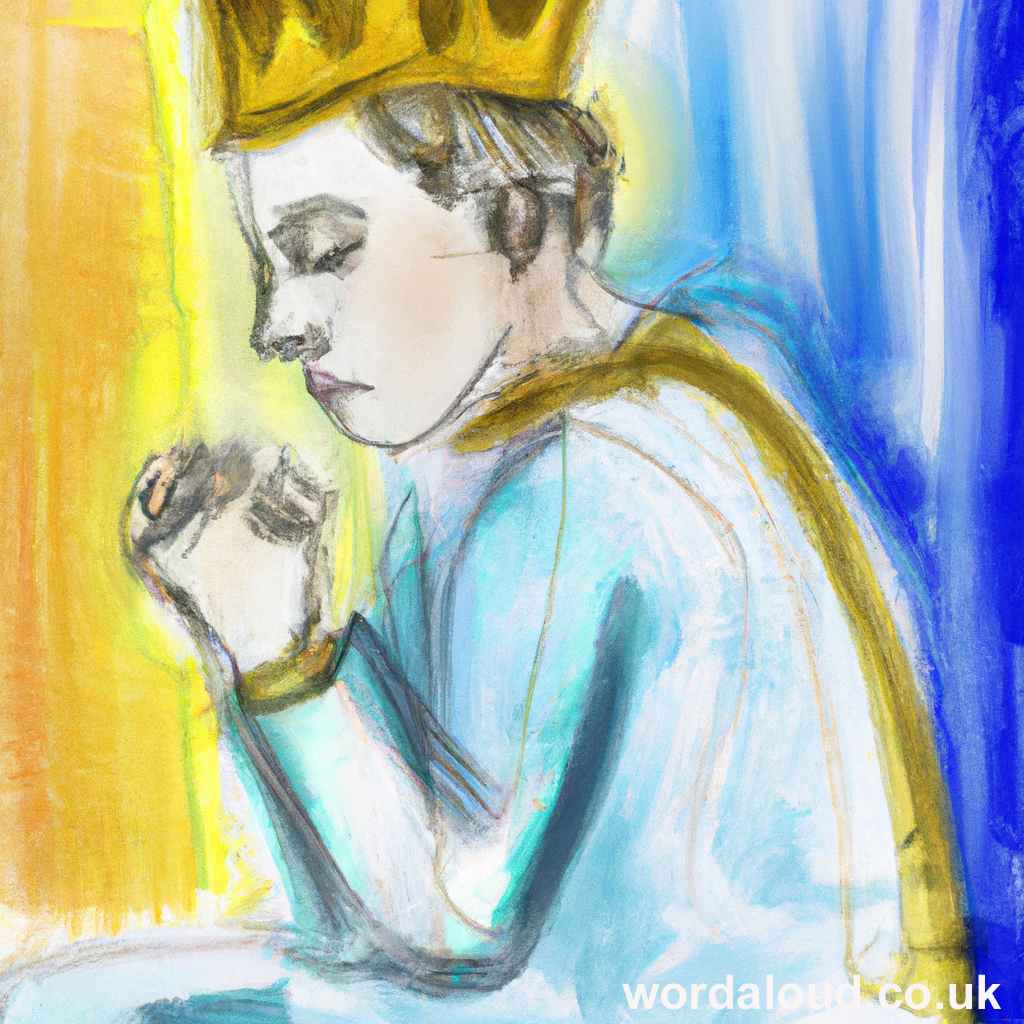
Psalm 59 is attributed to King David. The psalm resonates with themes of seeking protection from enemies, finding refuge in God, and grappling with the challenges of a troubled world. The psalm embodies a deep sense of trust and reliance on the divine, portraying God as the ultimate source of strength, defence, and justice in the face of adversity [ … ]
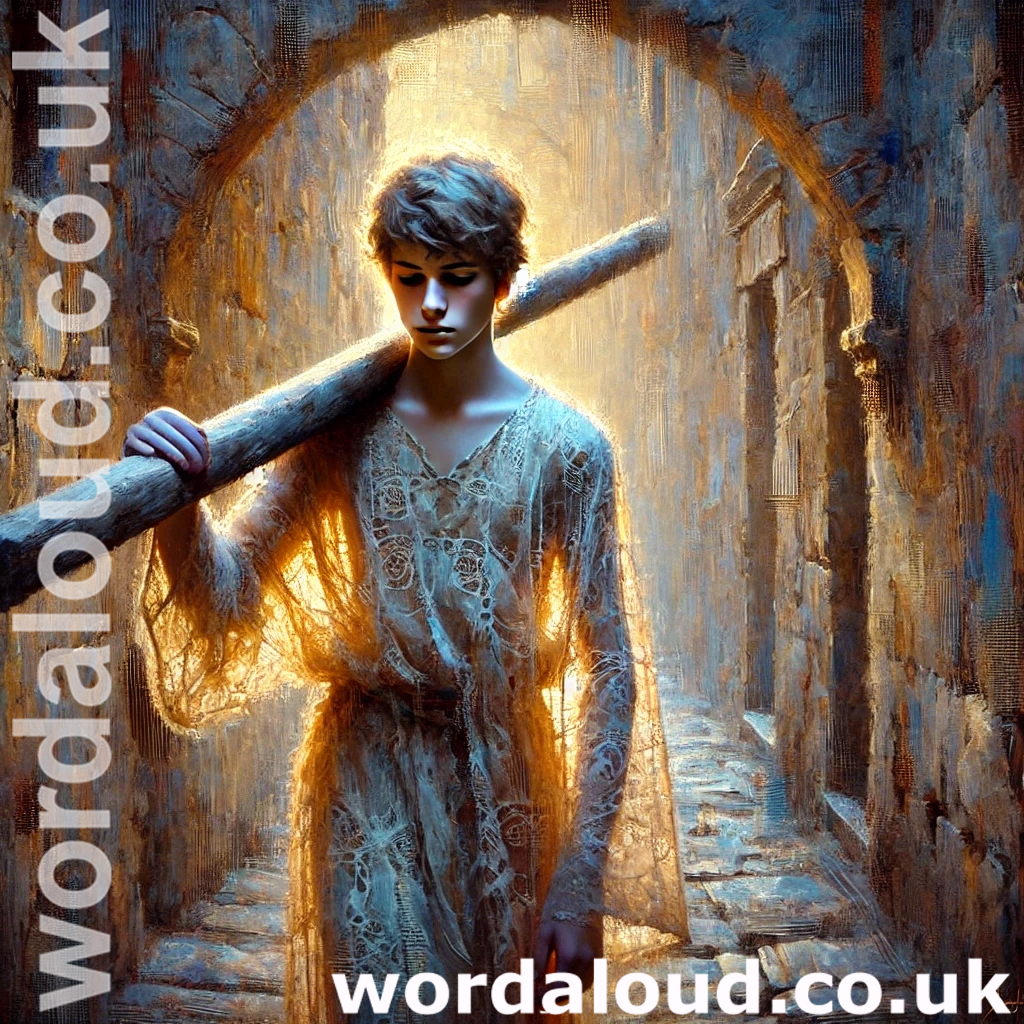
This powerful text from Lumen Gentium, the Dogmatic Constitution on the Church from the Second Vatican Council, invites us to reflect on who the Church truly is — not just what she does or how she’s organized, but her deepest identity as the people of God, drawn together by grace, and sent into the world to be a sign of unity and an instrument of salvation [ … ]
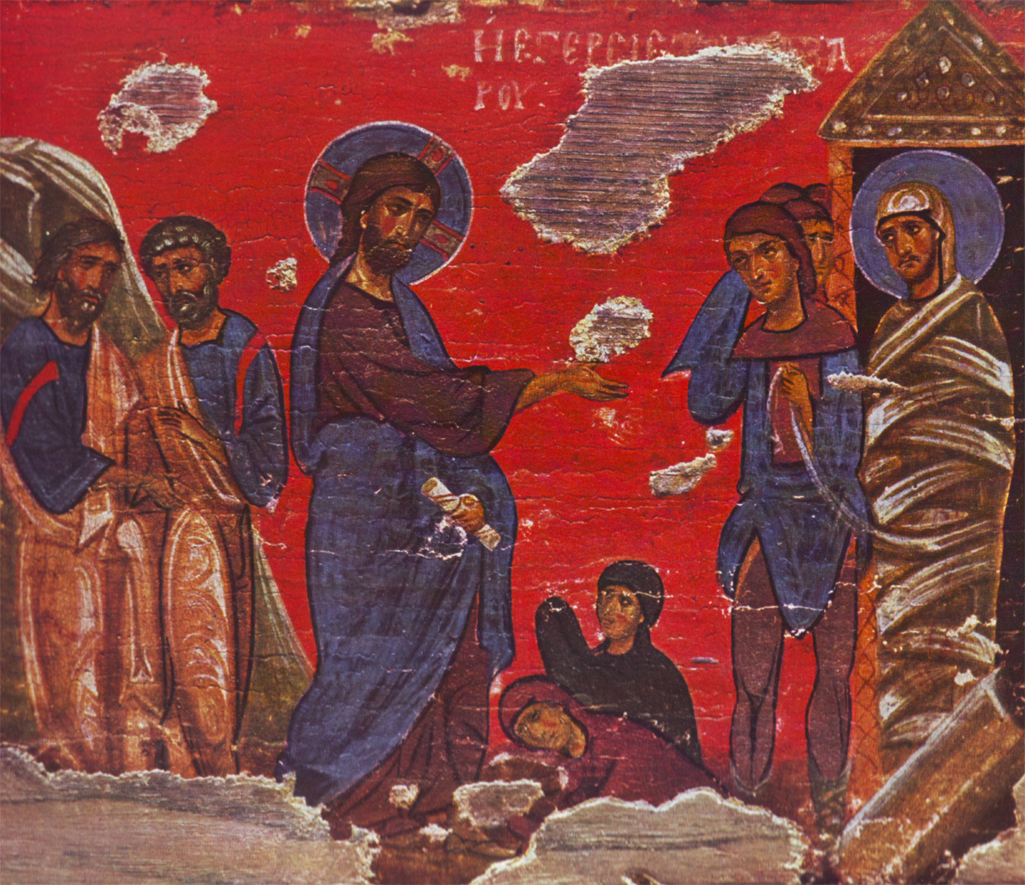
‘Death,’ says His Grace, ‘throws it all apart. For we are not as we should be. Faith requires our adjustment to God’s truth. God’s triumph in a very real sense requires in us the loss of our everything. Which, as with Mary at the other end of Jesus’s life, is God’s truth.’ The Gospel reading is of John 11: 1-45, which is a long passage, and His Grace’s homiletic theme commences in textual wilderness. Our brokenness – in this place – a family home. Our faith, our doubt, our death… The irruption – death, doubt, fear – within our precious scenes and our most intimate places. Our domesticity. His Grace speaks from the chair, as is a bishop’s prerogative, and says: ‘So much is obscure in the Gospels. We’re always reaching through them. We’re never there. Really, we never are. Our knowledge, our understanding, of the Gospels is never complete, and with each reading comes a new revelation. There are always new riches there. Just as there are between all of us, between myself and you. The Gospels are living texts. This is a part of the conversation we have with our own Christianity. It is a part of who we are in our relationship with Jesus. We are in this sense always on the brink. ‘So yes, there is plenty that doesn’t seem to make sense. As one of the order of bishops, we would be lying if we said that weren’t the case. They are not easy texts to encounter, if by that word we may signify something more than a superficial glancing off against, but rather a profound search for the word of God. The Gospels are written by people who had their own ideas, and often didn’t know what had really happened. Luke is quite explicit on this point. His is an investigation, from the explicitly claimed point of view of an historian, rather than that of a first-hand witness, who attempts, so he says, to set out an orderly account, out of the chaos, the sheer muddle, that has been handed down to him. It is possible to imagine Luke researching and composing his account after many years, when there has arisen a desire to know what exactly happened, and this implies a certain call to faith and certain demands of historicity, to historical exactitude. So in these different ways, the people of the first years of Christian faith are in the dark. There is also a decisive need to define the life of Jesus. And people didn’t get Jesus. The whole meaning of Christianity is only now beginning to take root throughout the composition. So much needs to be evangelized. The light shines almost in tentative fashion like that first star, which drew the wise men from the east to our Lord’s cradle. ‘John’s is widely held to be a very late Gospel. There are others who say that John’s Gospel might have been the first to acquire its true shape, because it most fully expresses Jesus, as we know him to be, as members of the Catholic Church. We don’t really know when any of this is being written, but we get a feel in John of a Gospel refined over many years, through a community. So there’s a lot going on there that I’d like you to think about. ‘What I would like to suggest to you is that, while within the Gospels we are often confronted with clues, guesswork, stories that have been handed down through so many people, and so in this sense we might find ourselves to be in the wilderness, this is the very desolate space itself to which we must give ourselves in order to experience Christ’s full redemption in our lives. I suggest it is for God’s glory that we do so. ‘As we become aware of ourselves, in this seminary, we find ourselves in a very secure, comfortable setting, and there are signs of Easter everywhere. Within the very fabric of these buildings, our Lord is risen; our Lord lives. But now this is our Lenten journey, where death enters, where death breaks us. We are to ride into Jerusalem in triumph, and then we are to be utterly broken, all hope gone, our hope extinguished. And really, I suggest to you, it is only by inhabiting this thought, as if we don’t know Easter is there, that our new life can follow, just when we have given up all hope, when every promise that Jesus made to us seems to have been cancelled. ‘And here now we have the story of Lazarus. I should like to suggest to you that we have a very powerful call now. In our very comfortable space, our domesticity, with all this comfort, where so very little might seem to happen each day, so it might seem to you, there is a disturbance within all of this comfort, and that is a disturbance within ourselves, and that is our call to Jesus. I think it is correct to say that our most comfortable places break in the light of Jesus from the inside, in order that we may take the necessary steps to be with Jesus. ‘Faith is not comfortable. I think that we can all receive the message of the rolling away of the rock from the tomb of Lazarus to say something of vital importance to ourselves concerning our openness to God’s love. The rock we roll away can come in all sorts of guises, but we know when we are blocked, and I firmly believe if we are truthful then we know where those blocks might be. ‘Next Sunday, which will be Palm Sunday, we process as it were to Jerusalem, to begin our Holy Week. Now as I speak to you we are on the brink. Even now, I suggest it might be very good for all of us to lay aside what we think we know, to fall apart a little, and so […]
