Journey Of The Magi | T.S. Eliot
YouTube: Journey Of The Magi | T.S. Eliot | Word Aloud | Christian Poems | Audio
See also: Epiphany | Three Kings | Three Wise Men | Gold, Frankincense, Myrrh
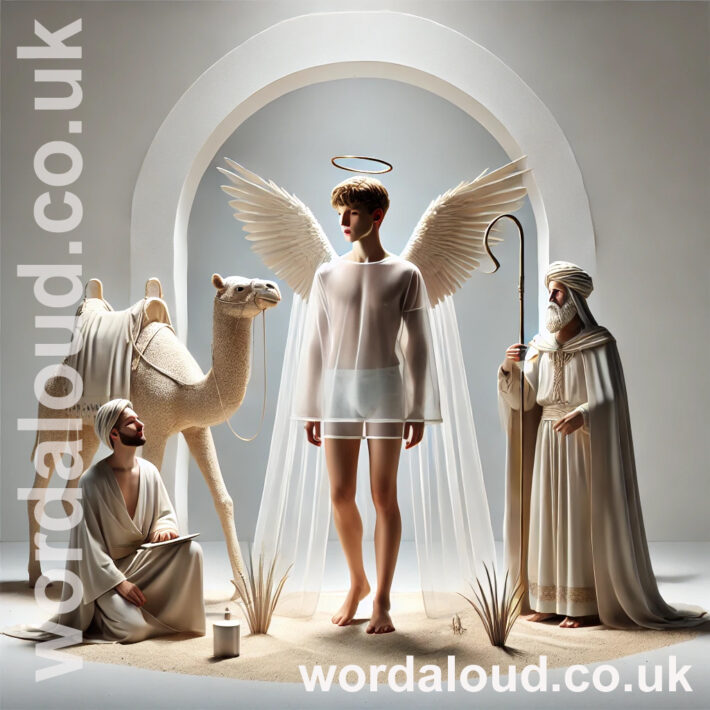
T.S. Eliot’s poem ‘Journey Of The Magi’, written in 1927, explores themes of transformation, faith, and the search for meaning. Inspired by Eliot’s conversion to Anglicanism, the poem tells the story of one of the Magi, the wise men who travelled to witness the birth of Christ.
The poem begins with a vivid and perhaps somewhat bathetic description of hardships faced by the Magi on their journey. Tedious and banal conditions – the over-priced inns and recalcitrant staff – the crappy modern – symbolize a difficult path to spiritual enlightenment, reflecting disorientation and struggle felt during profound spiritual change. This tension between the familiar – and the dullness and the exotic – and the unknown mirrors internal conflict inherent in religious conversion.
As the Magi reflect on their journey, the arrival at the birthplace of Christ marks a significant moment of transformation. The experience represents a shift from old beliefs to new faith, paralleling Eliot’s own spiritual journey. This moment captures the complexity and challenge of embracing new religious understanding.
The journey expresses search for faith and understanding, with the birth of Christ symbolizing a transformative moment in both history and personal belief. The path to enlightenment is depicted as one fraught with obstacles and trials, emphasizing such grinding effort – as tedious as our sins – required to achieve spiritual insight.
Closing lines of the poem capture the Magi’s feelings of alienation from their past lives and uncertainty about their new putative faith. This sense of inner turmoil symbolizes personal trials and ultimate redemption experienced during significant spiritual transformation. The Magi’s reflections on their journey highlight this enduring impact of profound spiritual experiences and continuous search for deeper understanding. The context, in history, remains uncertain, part-remembering, occluded.
Eliot himself discussed the use of religious imagery in his essays, noting that such symbols convey deep spiritual truths. In ‘Journey Of The Magi’, the journey can be read as a metaphor for the soul’s search for divine truth, with hardships endured – the modern – symbolizing trials faced in a turn toward possibility of faith.

Journey Of The Magi | T.S. Eliot
A cold coming we had of it,
Just the worst time of the year
For a journey, and such a long journey:
The ways deep and the weather sharp,
The very dead of winter.’
And the camels galled, sore-footed, refractory,
Lying down in the melting snow.
There were times we regretted
The summer palaces on slopes, the terraces,
And the silken girls bringing sherbet.
Then the camel men cursing and grumbling
And running away, and wanting their liquor and women,
And the night-fires going out, and the lack of shelters,
And the cities hostile and the towns unfriendly
And the villages dirty and charging high prices:
A hard time we had of it.
At the end we preferred to travel all night,
Sleeping in snatches,
With the voices singing in our ears, saying
That this was all folly.
Then at dawn we came down to a temperate valley,
Wet, below the snow line, smelling of vegetation;
With a running stream and a water-mill beating the darkness,
And three trees on the low sky,
And an old white horse galloped away in the meadow.
Then we came to a tavern with vine-leaves over the lintel,
Six hands at an open door dicing for pieces of silver,
And feet kicking the empty wine-skins,
But there was no information, and so we continued
And arrived at evening, not a moment too soon
Finding the place; it was (you may say) satisfactory.
All this was a long time ago, I remember,
And I would do it again, but set down
This set down
This: were we led all that way for
Birth or Death? There was a Birth, certainly,
We had evidence and no doubt. I had seen birth and death,
But had thought they were different; this Birth was
Hard and bitter agony for us, like Death, our death.
We returned to our places, these Kingdoms,
But no longer at ease here, in the old dispensation,
With an alien people clutching their gods.
I should be glad of another death.

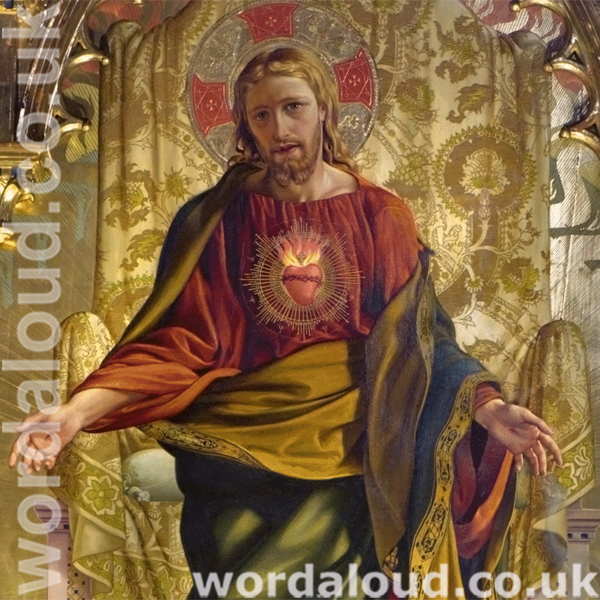
Saint Maximus the Confessor reflects on the incarnation as a mystery that is complete in itself and yet continually active in the life of the believer. Christ was born once in the flesh, in history, but he is also born spiritually in those who desire him. This second birth does not add to Christ, nor does it repeat the incarnation. Rather, it describes how the life of Christ takes shape in the believer through faith and virtue [ … ]

As I contemplate the Baptism of Jesus, I am invited to reflect on my own baptism and the significance of this sacrament in my life. I am reminded that, like Jesus, I am a beloved child of God, called to participate in Jesus’ mission of love and reconciliation. I am challenged to live out my baptismal promises, to renounce sin and evil, and to follow Jesus on the path of discipleship. And I am encouraged to draw upon the grace of the Holy Spirit, which is poured out upon me in my baptism, to transform me from within and to make me a new creation in Christ [ … ]
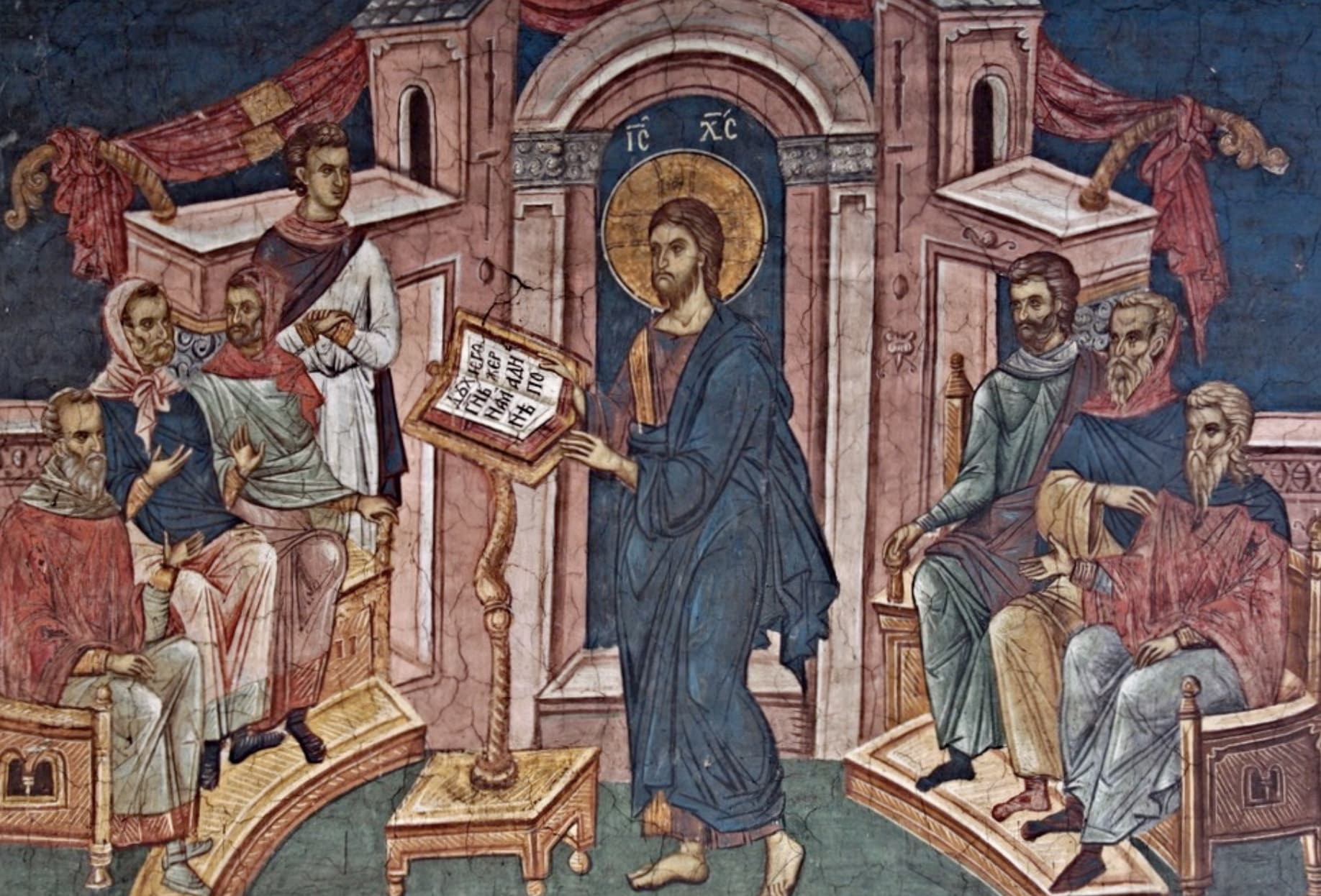
Capernaum was a small city on the crossroad of two important routes, one from Asia Minor, leading to Petra on the south of the Transjordan, the other from the region of the two rivers, the Tigris and Euphrates, descending toward Egypt. Jesus’ move to Capernaum helped his contact with the people, and so the spreading of the Good News [ … ]