Christian Art | Prayer With Jesus | Psalms | God The Creator And Provider | King David As A Boy | Audio KJV | Love Revealed By Jesus Christ | King James Audio Bible
Psalm 104 | King James Audio Bible
YouTube: Psalm 104 | KJV | King James Version | Audio Bible | Word Aloud
Psalm 104, attributed to King David, celebrates the vastness and intricacies of God’s creation. Unlike some other psalms that focus on personal feelings, this psalm marvels at the natural world and presents God as its masterful architect.
The psalm begins by acknowledging God’s greatness and honour. The psalm goes on to vividly describe elements of the cosmos, portraying light as God’s clothing and the heavens as stretched curtains. The foundations of the earth are depicted as unmovable, and various images are used to describe the celestial elements, such as clouds as God’s chariot and the wind as God’s means of movement.
Throughout the verses, the psalmist reflects on how God provides for all creatures, ensuring that each finds sustenance. The psalm also notes the cyclical nature of life, with day and night, labour and rest, all orchestrated by the Creator. The vast scope of God’s works, from the sea to the birds in the sky, is acknowledged with awe.
The psalmist envisions God’s ongoing role in renewing the earth, sending forth His spirit for the continuation and sustenance of life. The psalm concludes with an affirmation of the enduring glory of the Lord, expressing a commitment to an eternal hymn of praise.
Psalm 104 | King James Audio Bible
Bless the Lord, O my soul. O Lord my God, thou art very great; thou art clothed with honour and majesty.
Who coverest thyself with light as with a garment: who stretchest out the heavens like a curtain:
Who layeth the beams of his chambers in the waters: who maketh the clouds his chariot: who walketh upon the wings of the wind:
Who maketh his angels spirits; his ministers a flaming fire:
Who laid the foundations of the earth, that it should not be removed for ever.
Thou coveredst it with the deep as with a garment: the waters stood above the mountains.
At thy rebuke they fled; at the voice of thy thunder they hasted away.
They go up by the mountains; they go down by the valleys unto the place which thou hast founded for them.
Thou hast set a bound that they may not pass over; that they turn not again to cover the earth.
He sendeth the springs into the valleys, which run among the hills.
They give drink to every beast of the field: the wild asses quench their thirst.
By them shall the fowls of the heaven have their habitation, which sing among the branches.
He watereth the hills from his chambers: the earth is satisfied with the fruit of thy works.
He causeth the grass to grow for the cattle, and herb for the service of man: that he may bring forth food out of the earth;
And wine that maketh glad the heart of man, and oil to make his face to shine, and bread which strengtheneth man’s heart.
The trees of the Lord are full of sap; the cedars of Lebanon, which he hath planted;
Where the birds make their nests: as for the stork, the fir trees are her house.
The high hills are a refuge for the wild goats; and the rocks for the conies.
He appointed the moon for seasons: the sun knoweth his going down.
Thou makest darkness, and it is night: wherein all the beasts of the forest do creep forth.
The young lions roar after their prey, and seek their meat from God.
The sun ariseth, they gather themselves together, and lay them down in their dens.
Man goeth forth unto his work and to his labour until the evening.
O Lord, how manifold are thy works! in wisdom hast thou made them all: the earth is full of thy riches.
So is this great and wide sea, wherein are things creeping innumerable, both small and great beasts.
There go the ships: there is that leviathan, whom thou hast made to play therein.
These wait all upon thee; that thou mayest give them their meat in due season.
That thou givest them they gather: thou openest thine hand, they are filled with good.
Thou hidest thy face, they are troubled: thou takest away their breath, they die, and return to their dust.
Thou sendest forth thy spirit, they are created: and thou renewest the face of the earth.
The glory of the Lord shall endure for ever: the Lord shall rejoice in his works.
He looketh on the earth, and it trembleth: he toucheth the hills, and they smoke.
I will sing unto the Lord as long as I live: I will sing praise to my God while I have my being.
My meditation of him shall be sweet: I will be glad in the Lord.
Let the sinners be consumed out of the earth, and let the wicked be no more. Bless thou the Lord, O my soul. Praise ye the Lord.

Psalm 104 | King James Audio Bible
- Celebration Of God’s Creation: Psalm 104 is a hymn that celebrates the vastness and intricacies of God’s creation, portraying God as the masterful architect of the cosmos.
- Recognition Of God’s Greatness: The psalm begins with an acknowledgment of God’s greatness and honour, emphasizing God’s exalted status.
- Depiction Of Cosmic Elements: Vivid images are used to describe elements of the cosmos, such as light as God’s clothing, the heavens as stretched curtains, and the foundations of the earth as unmovable.
- Appreciation For Natural Order: The psalmist reflects on the natural order established by God, where the elements, clouds, wind and angels serve specific roles in the divine plan.
- God’s Provision For Creation: The psalm highlights God’s role as a provider, ensuring that every creature, from beasts to birds, finds sustenance in God’s benevolence.
- Observation Of Cyclical Life: The cyclical nature of life, marked by day and night, labour and rest, is acknowledged as orchestrated by the Creator.
- Awe For The Scope Of God’s Works: The psalm expresses awe for the vast scope of God’s works, from the depths of the sea to the birds in the sky, portraying a Creator with unmatched wisdom.
- Contemplation Of God’s Renewal: There is a contemplation of God’s ongoing role in renewing the earth, sending forth His spirit for the continuation and sustenance of life.
- Affirmation Of God’s Enduring Glory: The psalm concludes with an affirmation of the enduring glory of the Lord, expressing a commitment to an eternal hymn of praise.
- Invitation To Reflect: Throughout, the psalm invites readers to join in contemplating the wonders of the natural world and finding gratitude for the sustaining wisdom of the Creator.


‘What is truth?’ So asks Pontius Pilate at the show-trial of Jesus. Pilate’s question dismisses and inherently rejects categorical truth as value. Pilate throws the truth to the masses – who cry for the blood of Jesus. As Christians, we hope – we pray, we ask – to adhere to truth. This is our truth: that Jesus is the Son of God, that Jesus died for our sins, and that through Jesus we can attain salvation. Yet, even as we seek to live in the truth, we are tested and tempted, just as Jesus was in the wilderness by Satan [ … ]
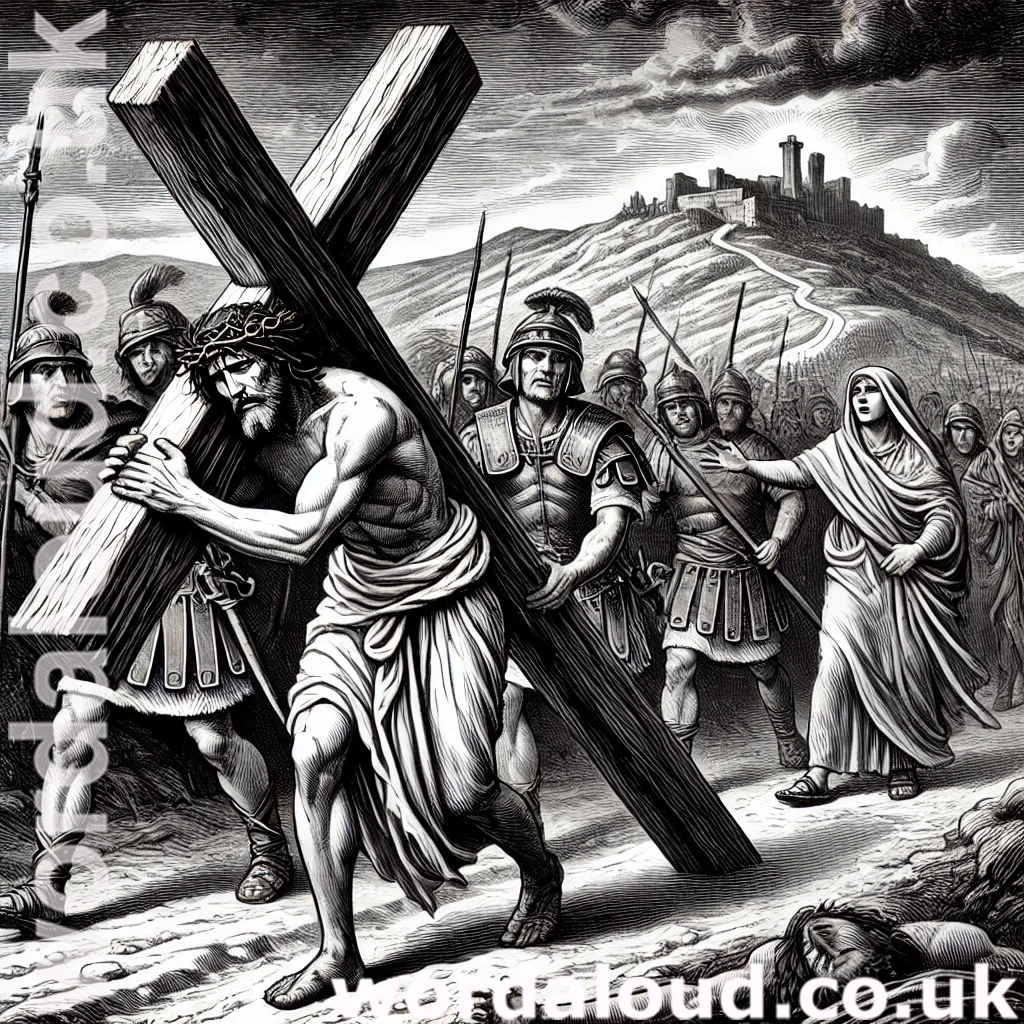
Saint Augustine’s sermon addresses a recurring human tendency: the belief that former times were better than the present. His reflection places suffering within the broader theological framework of punishment for sin and correction for salvation. Affliction is not simply random misfortune but part of the divine pedagogy by which believers are purified and trained in perseverance [ … ]
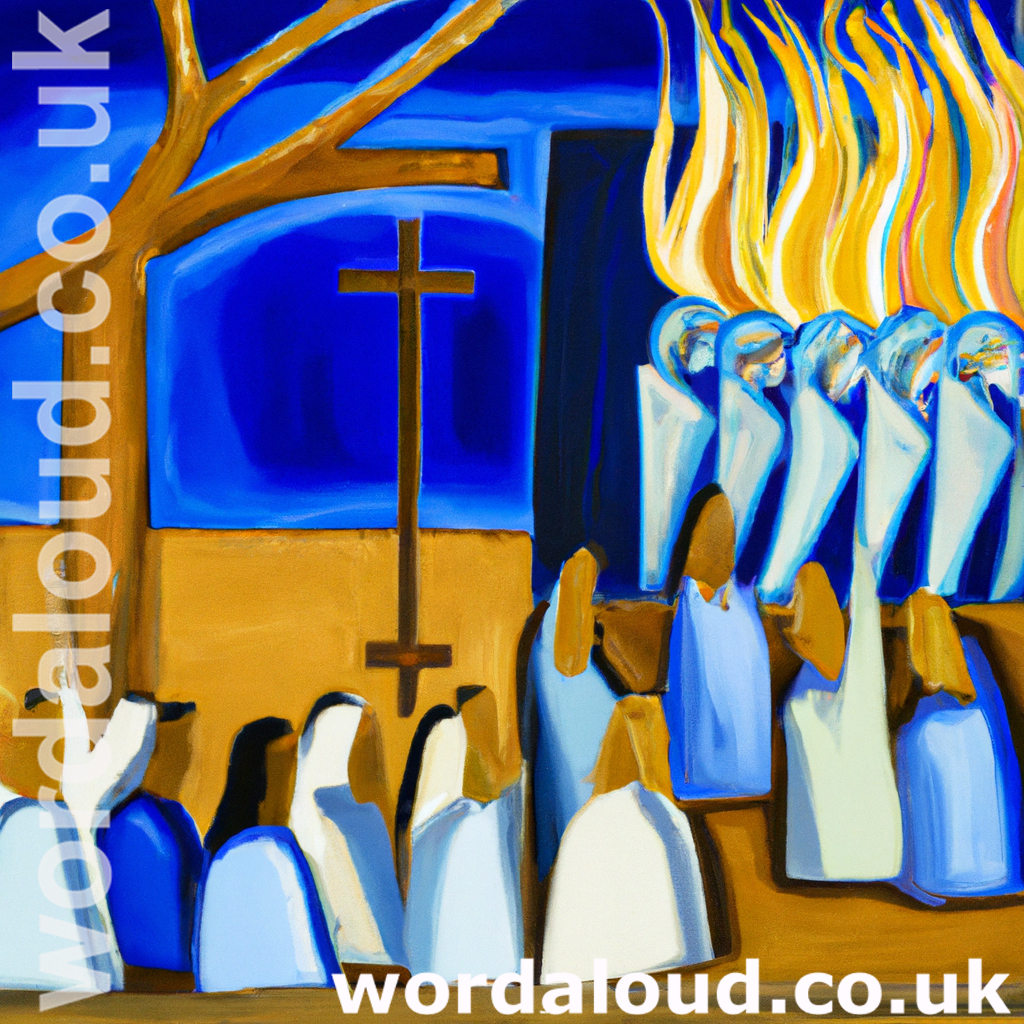
Pentecost is celebrated 50 days after Easter Sunday. It is considered the birth of the Church and marks the descent of the Holy Spirit upon the apostles and other followers of Jesus Christ. The Bible tells us that the Holy Spirit descended upon the apostles in the form of tongues of fire, and they were able to speak in multiple languages, allowing them to spread the message of Jesus to a wider audience [ … ]