
Christian Art | Prayer With Jesus | Psalms | Blessing Of The Righteous | King David As A Boy | Audio KJV | Love Revealed By Jesus Christ | King James Audio Bible
Psalm 112 | King James Audio Bible
YouTube: Psalm 112 | KJV | King James Version | Audio Bible | Word Aloud
Psalm 112 centralizes the concept of the righteous life. The psalm praises those who fear the Lord and delight in his commandments. This fear is not about being afraid, but about respecting and revering God, and finding joy in following his teachings. This respect for divine commandments sets the stage for a life guided by ethical and moral values.
The rewards of righteousness are another significant aspect of the psalm. The psalm outlines the blessings that come to those who live righteously, including material prosperity, respect from society, and a lasting legacy. Beyond material gains, the psalm suggests that righteousness brings inner peace and spiritual fulfillment.
In contrast, Psalm 112 subtly points out the downfall of the wicked. While focusing on the blessings of righteousness, it also hints at the eventual failure and despair that accompany wickedness. This serves as a cautionary note about the fleeting nature of gains obtained through wrongdoings.
Stability in adversity is a key theme. The psalm assures that those who trust in the Lord will remain stable and unshaken in times of trouble. This theme emphasizes unwavering faith and reliance on God’s provision, even in challenging circumstances.
Generosity and compassion are also highlighted. The righteous are depicted as generous and just, reflecting God’s character in their deeds. This generosity is portrayed as an inherent quality of the godly, extending beyond mere duty.
The psalm emphasizes the enduring legacy of the righteous. They are seen as leaving a positive mark on the world, influencing future generations not only materially but also in terms of moral and spiritual values.
The psalm implies that the righteous are guided by divine wisdom. Their ability to navigate life’s challenges with grace suggests a deep understanding and application of God’s wisdom.
The foundation of a righteous life, as depicted in Psalm 112, is the fear of the Lord. This fear represents a deep reverence and commitment to God’s will, shaping the character and actions of the righteous.
Lastly, Psalm 112 suggests that the righteous positively impact society. Their way of life serves as a model of integrity and godliness, having a beneficial influence on their community and society.

Psalm 112 | King James Audio Bible
Praise ye the LORD. Blessed is the man that feareth the LORD, that delighteth greatly in his commandments.
His seed shall be mighty upon earth: the generation of the upright shall be blessed.
Wealth and riches shall be in his house: and his righteousness endureth for ever.
Unto the upright there ariseth light in the darkness: he is gracious, and full of compassion, and righteous.
A good man sheweth favour, and lendeth: he will guide his affairs with discretion.
Surely he shall not be moved for ever: the righteous shall be in everlasting remembrance.
He shall not be afraid of evil tidings: his heart is fixed, trusting in the LORD.
His heart is established, he shall not be afraid, until he see his desire upon his enemies.
He hath dispersed, he hath given to the poor; his righteousness endureth for ever; his horn shall be exalted with honour.
The wicked shall see it, and be grieved; he shall gnash with his teeth, and melt away: the desire of the wicked shall perish.
Psalm 112 | King James Audio Bible
- Literal Translation Approach: The KJV’s translation of Psalm 112 closely follows the literal sense of the Hebrew text. This approach is evident in the direct and straightforward rendering of the verses, which strive to maintain the original meaning without adding interpretative layers.
- Language And Style: In Psalm 112, the KJV uses a language style that is both formal and majestic, typical of the translation as a whole. The choice of words and phrasing, such as “cometh” and “endureth”, are characteristic of the early 17th-century English used in the KJV. This style adds a solemn and reverential tone to the psalm.
- Poetic Elements: While English does not accommodate the acrostic nature of the Hebrew text, the KJV translators managed to retain the poetic elements of Psalm 112. The translation captures the parallelism and rhythmic patterns inherent in the Hebrew poetry, contributing to the psalm’s memorability and impact.
- Cultural And Theological Context: The KJV translation of Psalm 112 was influenced by the cultural and theological context of early 17th-century England. The emphasis on righteousness and the rewards for the faithful reflect the religious and moral ethos of the time.
- Consistency With Other Psalms: The KJV ensures consistency in tone and style not only within Psalm 112 but across the Psalter. This consistency helps in understanding the psalm within the larger context of the Book of Psalms and the Bible as a whole.
- Enduring Impact: The KJV’s rendering of Psalm 112, like the rest of this translation, has had a lasting impact on how this psalm is perceived and understood in the English-speaking Christian world. Its language has influenced how these themes are discussed and understood in religious and literary contexts.
- Interpretation Of Key Phrases: Certain phrases in Psalm 112 in the KJV may carry a slightly different nuance compared to modern translations. For instance, the use of “cometh” instead of “comes” or “endureth” instead of “endures” might reflect a subtle difference in how these concepts were understood in the 17th century.
- Influence On Liturgy And Worship: The KJV version of Psalm 112 has been used in various liturgical and worship settings within the Anglican Church and other Protestant denominations. Its language and style have shaped how these religious traditions engage with the psalm in communal and individual worship settings.

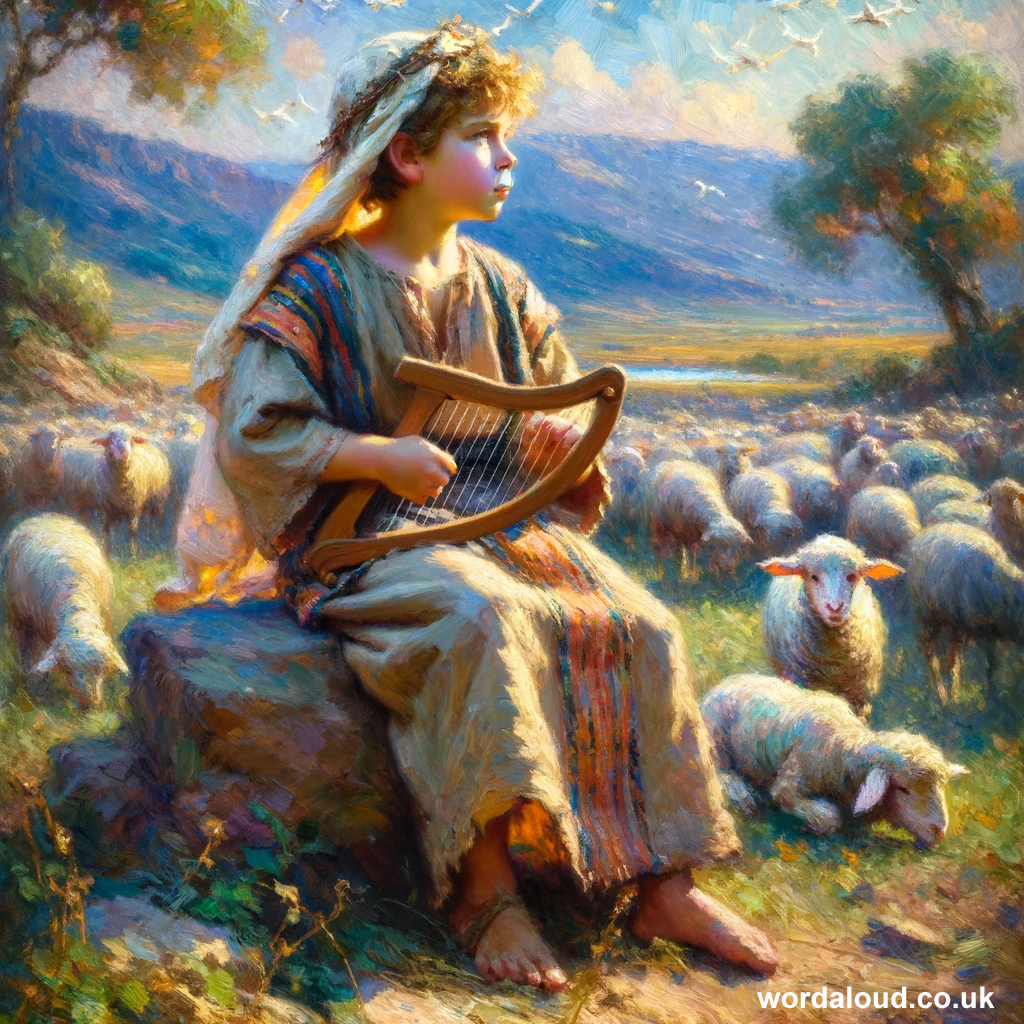



The more we love God, the better we come to know him. Jesus continues to assert his knowledge of the Father, and too his eternal coexistence with the Father from before all time [ … ]

The Epistle of Barnabas is an early Christian text that reflects on the meaning of Christ’s suffering, the interpretation of scripture, and the idea of spiritual renewal. This reading describes how the death of Christ leads to the forgiveness of sins and the formation of a new people shaped by that forgiveness [ … ]
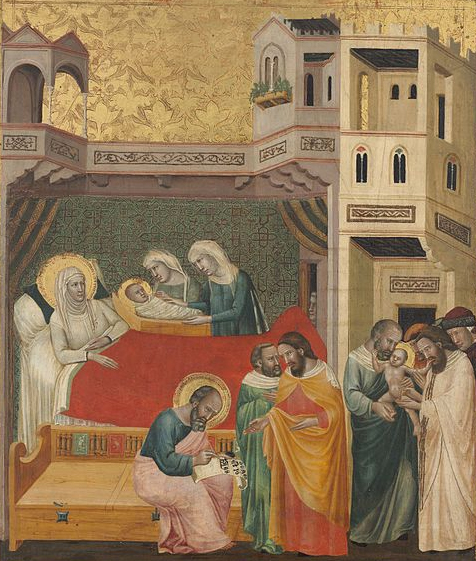
John the Baptist is born into a small and close-knit community, in which all Elizabeth’s neighbours and family relations rejoice with her at the gift of new life the Lord has bestowed on her. This is clearly a good and healthy community environment, and this will be important to John’s formation, howbeit the people are, as small communities can often be, quite conservative in their ways, such that when Elizabeth tells them the child will be called John, she causes something of a fuss, because this is an unusual thing to do: ‘There is none of thy kindred called by this name,’ her friends complain to her [ … ]