
Christian Art | Prayer With Jesus | Psalms | God’s Blessing In The Home | A Song Of Ascents | King David As A Boy | Audio KJV | Love Revealed By Jesus Christ | King James Audio Bible
Psalm 127 | King James Audio Bible
YouTube: Psalm 127 | KJV | King James Version | Audio Bible | Word Aloud
Psalm 127, attributed to Solomon, opens with a statement about the futility of human efforts without divine blessing. The psalm declares that building a house or guarding a city becomes meaningless without the Lord’s involvement. This opening sets a tone for the psalm, underscoring the primacy of divine providence in human endeavours.
The psalm shifts to focus on the daily toils of individuals. The psalm highlights the pointlessness of excessive labour and worry, emphasizing that such efforts are in vain without the Lord’s blessing. The psalm contrasts this with the divine gift of sleep to the beloved, suggesting that trust in God leads to peace and rest, rather than anxious toil.
Children then become the central focus of the psalm. The children are described as a heritage from the Lord, a reward from God. The psalm shifts perspective from human labour to divine gifts, emphasizing that true blessings, like children, come from God.
The psalm uses metaphor of arrows in the hand of a warrior to describe children. This imagery portrays children as tools of strength and protection for their parents. The psalm suggests that having many children provides security and honour, not just for the individual, but for the family and community.
The psalm states that those with many children will not be put to shame and will have a strong position in society, as indicated by the reference to speaking with enemies in the gate. This concluding statement emphasizes value and honour associated with having a family.
Psalm 127 | King James Audio Bible
Except the LORD build the house, they labour in vain that build it: except the LORD keep the city, the watchman waketh but in vain.
It is vain for you to rise up early, to sit up late, to eat the bread of sorrows: for so he giveth his beloved sleep.
Lo, children are an heritage of the LORD: and the fruit of the womb is his reward.
As arrows are in the hand of a mighty man; so are children of the youth.
Happy is the man that hath his quiver full of them: they shall not be ashamed, but they shall speak with the enemies in the gate.
Psalm 127 | King James Audio Bible
- Dependence On God For Success: The Psalm opens with the principle that efforts in building a house or guarding a city are futile without the Lord’s involvement. This theme emphasizes the essential need for divine guidance and blessing in all human endeavours.
- Futility of Excessive Labor without Divine Blessing: The Psalm highlights the pointlessness of overworking and worrying, contrasting it with the peace that comes from trusting in God. It suggests that excessive labor is in vain, and true rest and contentment come from God.
- Children As Divine Blessings: Children are described as a heritage and reward from the Lord, underscoring their value as divine gifts. This theme reflects the cultural importance of lineage and the perception of children as symbols of strength and continuity.
- Protection And Strength Through Family: The metaphor of arrows in the hand of a warrior is used to describe children, symbolizing their role as a source of strength and protection. The Psalm suggests that a large family provides security and honour, contributing to the societal standing of the individual.



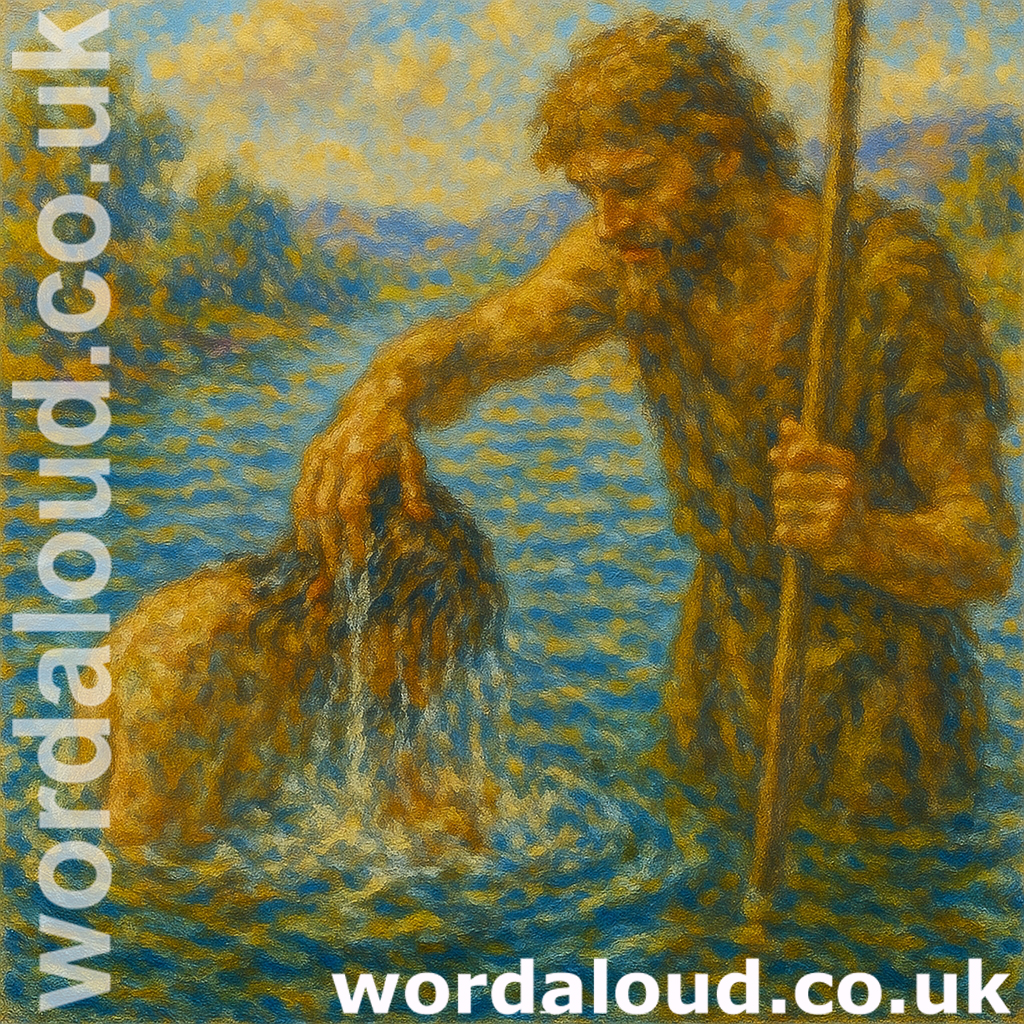
Saint Jerome begins by drawing a direct connection between the deer of the psalm and the newly baptized, freshly emerged from the waters of baptism. The metaphor of thirst is especially apt during this Easter season, when catechumens have completed their Lenten preparation and now experience the fulfilment of their longing in the sacraments. For Jerome, this thirst is not a vague spiritual desire but an acute yearning for the triune God—the Father, the Son, and the Holy Spirit—whom he identifies as the ‘three fountains’ of the Church [ … ]
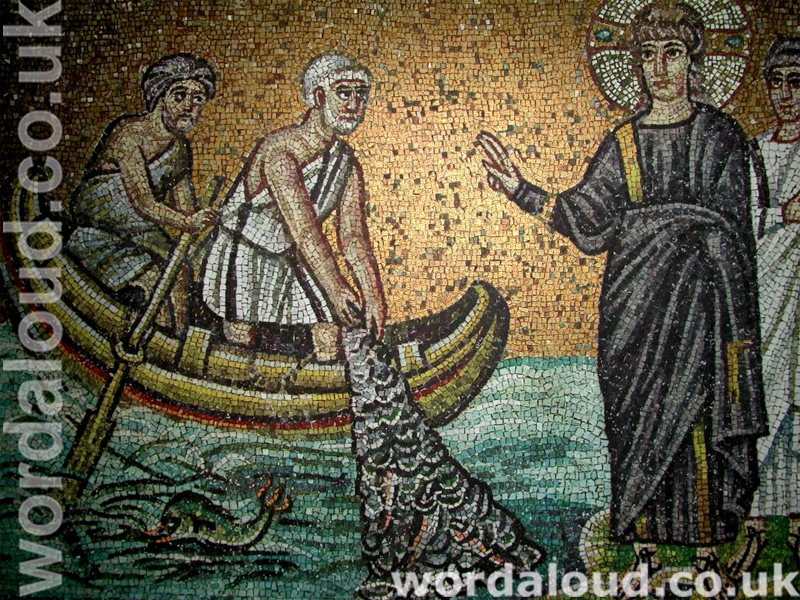
In this reading from On Spiritual Perfection, Diadochus of Photiké reflects on discernment, presenting it as a spiritual capacity formed by stillness, grace, and love. The mind, he argues, has a spiritual sense that enables it to distinguish reliably between good and evil when it is illuminated by true knowledge [ … ]
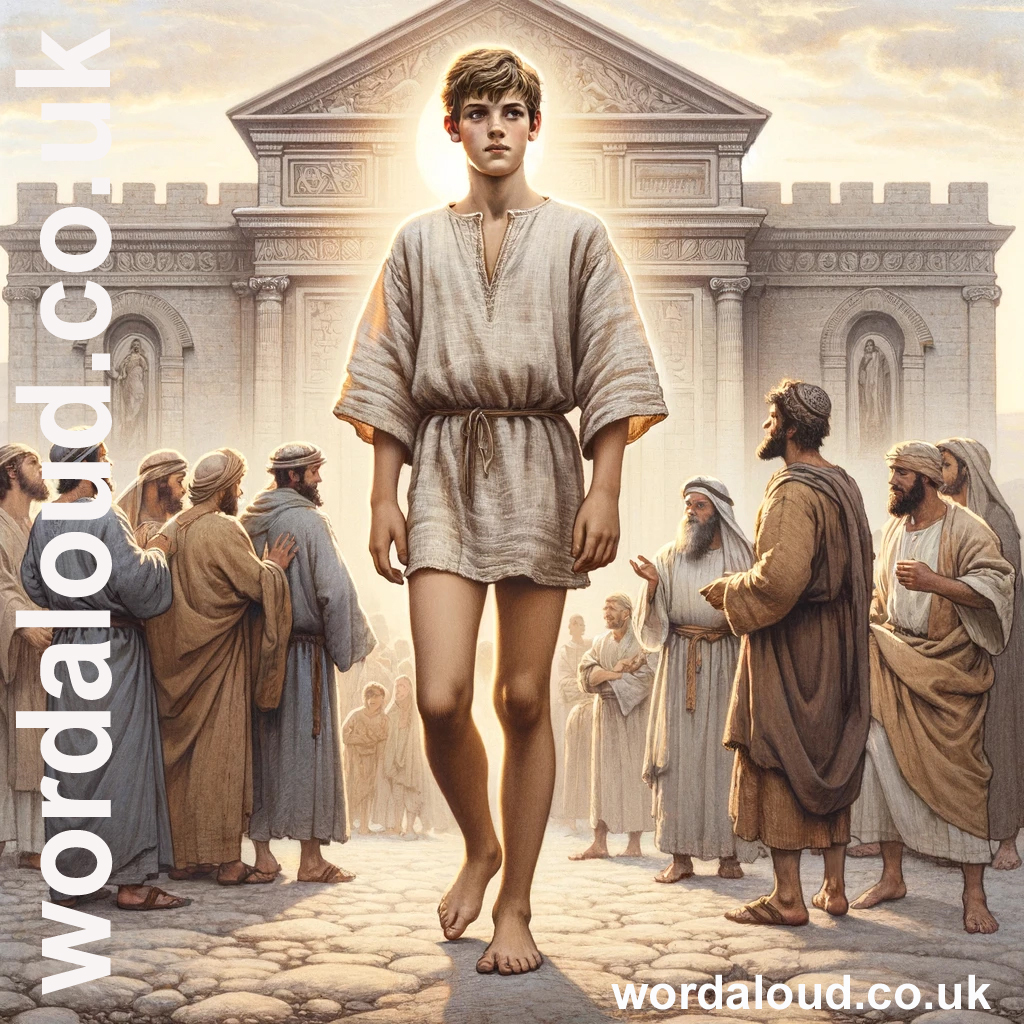
The psalm begins with a declaration, ‘Behold, how good and how pleasant it is for brethren to dwell together in unity!’ This opening line serves as a thesis statement, asserting the intrinsic value and pleasantness of communal harmony. The emphasis here is on the collective experience of togetherness, highlighting the inherent goodness found in unity among God’s people [ … ]