
Christian Art | Prayer With Jesus | Psalms | Praise In The Night | King David As A Boy | Audio KJV | Love Revealed By Jesus Christ | King James Audio Bible
Psalm 134 | King James Audio Bible
YouTube: Psalm 134 KJV Audio | King James Audio Bible
Psalm 134 is a fitting conclusion to the Songs of Ascents, a collection of psalms often associated with pilgrimage and the ascent to Jerusalem for worship. The psalm encapsulates themes of continual service, heartfelt worship, and the reception of divine blessings. Short in length but deep in meaning, this psalm underscores the relationship between human devotion and divine response, between the act of blessing God and the reception of blessings from God.
The psalm begins with an exhortation, ‘Behold, bless ye the Lord, all ye servants of the Lord, which by night stand in the house of the Lord.’ This opening verse serves a dual purpose: it is both an invitation to worship and recognition of those who serve in the temple. The mention of night service highlights the continual nature of this devotion, suggesting a tireless commitment to honoring God. This call extends to all servants of the Lord, emphasizing that worship and service are not confined to a specific time but are ongoing and perpetual.
The second verse, ‘Lift up your hands in the sanctuary, and bless the Lord,’ moves from the general call to a specific act of worship. Lifting hands in the sanctuary is a gesture of prayer and praise, an outward expression of inner devotion and reverence. This physical act of lifting hands symbolizes surrender, openness, and readiness to receive God’s blessings. It is a gesture that transcends mere ritual, embodying a heartfelt response to the divine presence.
The final verse, ‘The Lord that made heaven and earth bless thee out of Zion,’ shifts from an exhortation to a benediction. This blessing is significant because it comes from the Creator of heaven and earth, indicating the limitless scope of God’s power and authority. Reference to Zion, symbol of God’s presence and center of worship, adds a dimension of sacred geography to the blessing. It is from this holy place that the blessing emanates, conferring upon the worshippers not just a local or temporal favor, but a blessing with cosmic and eternal implications.
Psalm 134 | King James Audio Bible
Behold, bless ye the Lord, all ye servants of the Lord, which by night stand in the house of the Lord.
Lift up your hands in the sanctuary, and bless the Lord.
The Lord that made heaven and earth bless thee out of Zion
Psalm 134 | King James Audio Bible
- Continuous Devotion To God: The initial call to ‘bless ye the Lord, all ye servants of the Lord, which by night stand in the house of the Lord’ emphasizes the theme of continual, tireless devotion to God. It highlights the commitment of the faithful who serve in the temple, illustrating that worship and devotion are not confined to specific times but are ongoing.
- Physical Expression Of Worship: The directive to ‘Lift up your hands in the sanctuary, and bless the Lord’ brings attention to the physical acts of worship as expressions of reverence and prayer. This gesture of lifting hands symbolizes surrender to God, an openness to God’s presence, and an active participation in worship.
- Divine Blessing From The Creator: The final verse offers a benediction from the Lord, the maker of heaven and earth. This theme reflects the magnitude of God’s power and the scope of God’s blessing, extending from the sacred space of Zion to the entirety of creation.
- Sacred Geography And Zion’s Significance: The mention of Zion as the source of blessing underscores its importance as a spiritual center. This theme ties the physical location of worship to the spiritual act of receiving God’s blessings, signifying that Zion is not just a geographical location but a symbol of divine presence.
- Connection Between Worship And Blessing: The psalm establishes a reciprocal relationship between worship and receiving blessings. It suggests that through the act of blessing God, worshippers open themselves to receiving blessings from God, creating a cycle of devotion and divine favor.
- Culmination Of The Songs Of Ascents: As the concluding psalm of the Songs of Ascents, Psalm 134 encapsulates the journey of pilgrimage to Jerusalem. The psalm highlights themes of journey, worship, and divine encounter, marking the end of a spiritual ascent with a call to worship and a pronouncement of blessing.




The more we love God, the better we come to know him. Jesus continues to assert his knowledge of the Father, and too his eternal coexistence with the Father from before all time [ … ]

The Church teaches that marriage is a sacrament, which means that it is an outward sign of an inward grace. In marriage, a man and a woman are united in a way that reflects the union between Christ and the Church [ … ]
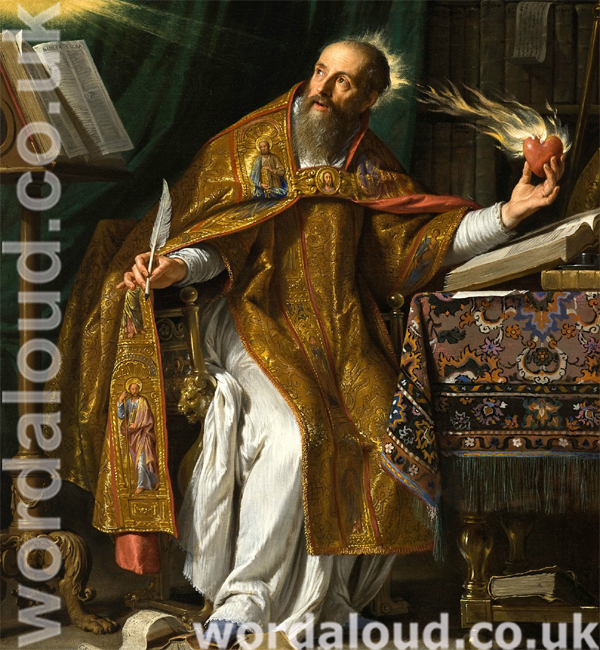
Saint Augustine contemplates the Christian life under the image of light—a light already received, yet not the fullness promised. Believers, he says, are light ‘in the Lord’, but only by participation: the true day has not yet dawned. The distinction is crucial. Our present illumination is real, but partial; it guides but does not satisfy. Thus Scripture, prophecy, and apostolic witness serve as lamps in the night of this world—trustworthy, necessary, and God-given, yet preparatory [ … ]