
Christian Art | Prayer With Jesus | Psalms | Prayer For Deliverance From Persecution | King David As A Boy | Audio KJV | Love Revealed By Jesus Christ | King James Audio Bible
Psalm 69 | King James Audio Bible
Psalm 69 KJV Audio/Video| YouTube
Also YouTube: Psalm 69 | KJV | King James Version | Audio Bible | Word Aloud
Psalm 69, attributed to King David, is a heartfelt and poignant expression of suffering and an earnest plea for deliverance. Unlike some of the more celebratory Psalms, this composition delves into the depths of despair and serves as a raw and unfiltered account of distress. The psalmist cries out for salvation in the face of adversity and persecution, making it a relatable and comforting text for those grappling with their own trials.
The psalm begins with a desperate plea: ‘Save me, O God; for the waters are come in unto my soul.’ This vivid metaphor paints a picture of the psalmist drowning in the depths of their suffering. The waters symbolize the overwhelming distress that threatens to consume him. The psalmist describe sinking in deep mire and deep waters, with floods that threaten to overflow. The psalmist admits to growing weary from crying out, his throat parched and his eyes failing as he wait for God’s intervention. This opening sets the tone for a profoundly emotional and fervent lament.
A central theme in Psalm 69 is the sense of unjust hostility and persecution. The psalmist feels besieged by adversaries who hate him without cause, emphasizing the sheer number of enemies. The psalmist poignantly states that those who seek to destroy him are ‘mighty,’ and laments that he has been burdened with blame for things he did not do. This theme of persecution underscores the psalm’s relatability to anyone who has experienced unjust hardship or adversity.
The psalm also touches on the theme of isolation and alienation. The psalmist describes becoming a stranger to his own family and an alien among his mother’s children, highlighting the profound loneliness and exclusion he feels.
An aspect of Psalm 69 is the theme of religious devotion and zeal. The psalmist speaks of passion for God’s house, which has consumed him. This devotion has led to acts of sacrifice and suffering, such as weeping and fasting, which have resulted in reproach and ridicule. This portrayal of religious fervour underscores the personal and emotional costs of faith.
Amidst the psalmist’s distress, there is a transition to a heartfelt prayer for deliverance. The psalmist implores God to hear him at an ‘acceptable time’ and to grant mercy and salvation. The imagery of being in the mire and deep waters repeats, as the psalmist fervently pleads for rescue from those who hate him.
In a noteworthy shift, the psalmist turns to invoking divine retribution on his adversaries. He beseeches God to pour out His wrath and indignation upon those who have wronged him. This section encapsulates the complexity of human emotions—suffering and the longing for deliverance on one hand, and the desire for divine justice and retribution on the other.
As the psalm progresses, the psalmist prays for the reversal of fortunes for his adversaries. This is followed by a return to the theme of praise and thanksgiving. The psalmist declares that such acts are more pleasing to the Lord than material offerings.
The psalm concludes with a message of hope and trust. The psalmist emphasizes that the Lord hears the cries of the poor and does not despise His prisoners. This note of hope serves as a reminder that, even in the depths of suffering and despair, faith can sustain and uplift the human spirit.

Psalm 69 | King James Audio Bible KJV | Love Revealed By Jesus Christ
Save me, O God; for the waters are come in unto my soul. I sink in deep mire, where there is no standing: I am come into deep waters, where the floods overflow me. I am weary of my crying: my throat is dried: mine eyes fail while I wait for my God. They that hate me without a cause are more than the hairs of mine head: they that would destroy me, being mine enemies wrongfully, are mighty: then I restored that which I took not away.
O God, thou knowest my foolishness, and my sins are not hid from thee. Let not them that wait on thee, O Lord God of hosts, be ashamed for my sake: let not those that seek thee be confounded for my sake, O God of Israel. Because for thy sake I have borne reproach; shame hath covered my face. I am become a stranger unto my brethren, and an alien unto my mother’s children.
For the zeal of thine house hath eaten me up, and the reproaches of them that reproached thee are fallen upon me. When I wept, and chastened my soul with fasting, that was to my reproach. I made sackcloth also my garment, and I became a proverb to them. They that sit in the gate speak against me, and I was the song of the drunkards.
But as for me, my prayer is unto thee, O Lord, in an acceptable time: O God, in the multitude of thy mercy hear me, in the truth of thy salvation. Deliver me out of the mire, and let me not sink: let me be delivered from them that hate me, and out of the deep waters. Let not the waterflood overflow me, neither let the deep swallow me up, and let not the pit shut her mouth upon me.
Hear me, O Lord; for thy lovingkindness is good: turn unto me according to the multitude of thy tender mercies. And hide not thy face from thy servant; for I am in trouble: hear me speedily. Draw nigh unto my soul, and redeem it: deliver me because of mine enemies.
Thou hast known my reproach, and my shame, and my dishonour: mine adversaries are all before thee. Reproach hath broken my heart; and I am full of heaviness: and I looked for some to take pity, but there was none; and for comforters, but I found none.
They gave me also gall for my meat, and in my thirst they gave me vinegar to drink. Let their table become a snare before them: and that which should have been for their welfare, let it become a trap.
Let their eyes be darkened that they see not; and make their loins continually to shake. Pour out thine indignation upon them, and let thy wrathful anger take hold of them. Let their habitation be desolate; and let none dwell in their tents. For they persecute him whom thou hast smitten, and they talk to the grief of those whom thou hast wounded.
Add iniquity unto their iniquity: and let them not come into thy righteousness. Let them be blotted out of the book of the living, and not be written with the righteous. But I am poor and sorrowful: let thy salvation, O God, set me up on high.
I will praise the name of God with a song, and will magnify him with thanksgiving. This also shall please the Lord better than an ox or bullock that hath horns and hoofs. The humble shall see this, and be glad: and your heart shall live that seek God. For the Lord heareth the poor, and despiseth not his prisoners.
Let the heaven and earth praise him, the seas, and every thing that moveth therein. For God will save Zion, and will build the cities of Judah: that they may dwell there, and have it in possession. The seed also of his servants shall inherit it: and they that love his name shall dwell therein.

Key Themes Of The Psalm For Reflection | Love Revealed By Jesus Christ
- Cry Of Distress: The psalm is a heartfelt cry of distress, with the psalmist feeling overwhelmed and in desperate need of help.
- Persecution And Hostility: The psalmist laments the unjust hostility and persecution he faces, expressing their sense of being surrounded by adversaries who hate them without cause.
- Isolation And Alienation: There is a theme of social and emotional isolation, as the psalmist feels like a stranger to his own family and an alien among his relatives.
- Devotion And Zeal: The psalm touches on the theme of religious zeal and devotion, highlighting the personal sacrifices and commitment to faith, even in the face of suffering.
- Prayer For Deliverance: The central theme revolves around a fervent prayer for deliverance from the distress and persecution the psalmist is experiencing. He implores God for mercy and salvation.
- Desire For Justice: Alongside the plea for deliverance, the psalmist also expresses a desire for divine justice and retribution against his adversaries.
- Transition To Praise: The psalm shifts from distress and pleas for deliverance to an emphasis on praise and thanksgiving as acts more pleasing to the Lord than material offerings.
- Hope and Trust: The psalm concludes with a note of hope and trust, highlighting the belief that the Lord hears the cries of the afflicted and does not despise those in need.


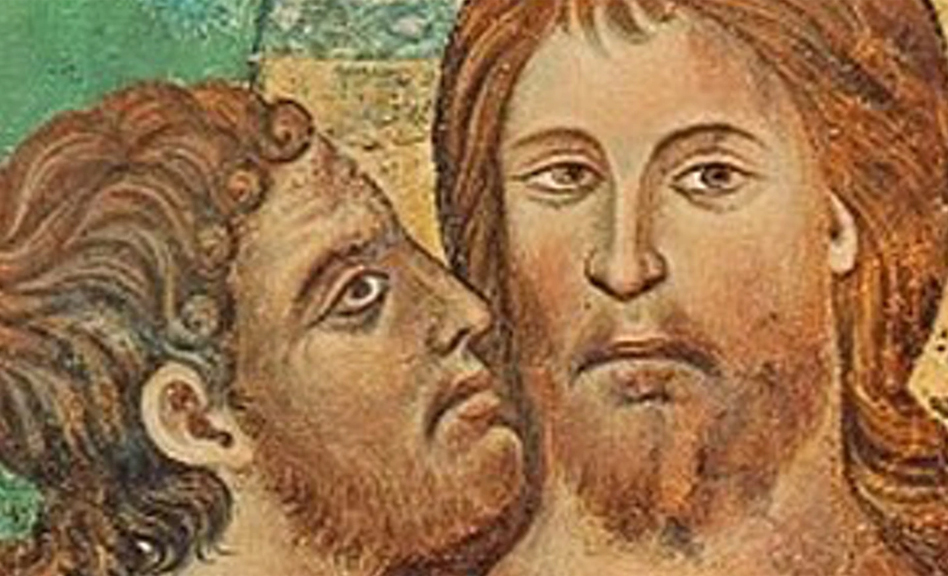
In these Bible verses, Matthew recounts the betrayal by Judas in a slightly different way from yesterday’s reading from the Gospel of John. Firstly, we see Judas go to the chief priests to see what they will give him to betray his Lord. This is calculating treachery, the love of money putting such evil into Judas’ heart as will outweigh all love and all obligation. Through Judas, we see the absolute evil to which greed and the love of money can drive a person [ … ]
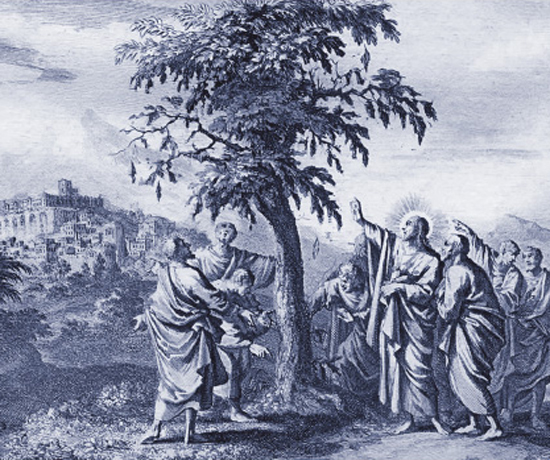
Just as Jesus’ listeners know how to interpret signs in nature, the trees beginning to bud and shoot new leaves as they come to life in spring, so Jesus tells them that, when they see and experience the upheavals described by Jesus in our Gospel verses of the past few days, they will know that the Kingdom of God is near [ … ]
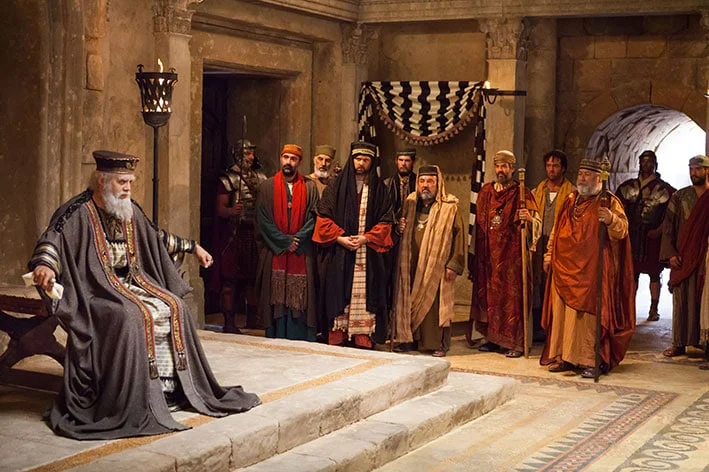
King James Audio Bible | KJV | King James Version King Herod There were several individuals named Herod who played significant roles in ancient history, particularly in the history of the Roman Empire and the region of Palestine. Here is a brief overview of the most notable Herods: Herod the Great: Also known as Herod I, he was a Roman client king of Judea, ruling from 37 BC to 4 BC. He is perhaps most famous for his role in the biblical story of the birth of Jesus, in which it is said that he ordered the slaughter of all male children in Bethlehem under the age of two in an attempt to kill the newborn Jesus. Herod Antipas: Also known as Herod II, he was the son of Herod the Great and ruled over Galilee and Perea, two regions in Palestine, from 4 BC to 39 AD. He is mentioned in the New Testament as the ruler who imprisoned John the Baptist and later had him beheaded. Herod Agrippa I: Also known as Herod III, he was the grandson of Herod the Great and ruled over Judea from 41 to 44 AD. He is mentioned in the New Testament as the ruler who imprisoned the apostle Paul. Herod Agrippa II: Also known as Herod IV, he was the great-grandson of Herod the Great and ruled over parts of Palestine and Syria from 50 to 100 AD. He is mentioned in the New Testament as the ruler who heard Paul’s defence before the Roman governor Festus. These rulers, who were known as the Herodian dynasty, were not Jewish but rather descended from a Greek family that had converted to Judaism. Despite this, they were appointed as rulers by the Roman Empire and were generally unpopular among the Jewish population due to their collaboration with the Roman occupation and their often brutal methods of rule. Herod The Great Herod the Great, also known as Herod I, was a Roman client king of Judea who ruled from 37 BC to 4 BC. He was born in 73 BC in Idumea, a region in southern Palestine, and was the son of Antipater the Idumean, an Edomite who had been appointed as a governor of Judea by the Roman general Pompey. Herod rose to power after the Roman general Julius Caesar appointed him as king of Judea in 40 BC. He consolidated his power over the next few years by defeating his rivals and establishing himself as the undisputed ruler of the region. As king, Herod embarked on a massive building program that included the expansion and renovation of the Temple in Jerusalem, the construction of the port city of Caesarea Maritima, and the fortification of several cities in Judea. He also commissioned the construction of a number of palaces and other buildings, including the famous Herodium, a palace-fortress located south of Jerusalem. Despite his many accomplishments, Herod was a controversial figure who was known for his harsh rule and his willingness to use violence to maintain his power. He was married several times and had a large number of children, several of whom he had executed when they posed a threat to his rule. One of the most famous stories associated with Herod is the biblical account of the birth of Jesus, in which it is said that he ordered the slaughter of all male children in Bethlehem under the age of two in an attempt to kill the newborn Jesus. According to the New Testament, Jesus was saved by his parents, who fled to Egypt, and later returned to Palestine after Herod’s death. Herod died in 4 BC at the age of 70, leaving a legacy as one of the most significant rulers in the history of ancient Palestine. Herod Antipas Herod Antipas, also known as Herod II, was the son of Herod the Great and ruled over Galilee and Perea, two regions in Palestine, from 4 BC to 39 AD. He was born in 20 BC and was named after his father’s patron, the Roman emperor Augustus. Like his father, Herod Antipas was known for his ambitious building projects, including the construction of the city of Tiberias on the Sea of Galilee and the expansion of the Temple in Jerusalem. He was also known for his political cunning and his ability to navigate the complex political landscape of the Roman Empire. Herod Antipas is mentioned in the New Testament as the ruler who imprisoned John the Baptist, a prominent religious figure who criticized Herod’s marriage to his sister-in-law, Herodias. According to the New Testament, John was eventually beheaded at the request of Herodias’ daughter, Salome, who danced for Herod and his guests at a banquet. Herod Antipas is also mentioned in the New Testament as the ruler who oversaw the trial and execution of Jesus. Although he initially wanted to release Jesus, he ultimately handed him over to the Roman authorities at the urging of the Jewish religious leaders. Herod Antipas’ rule came to an end in 39 AD when the Roman emperor Caligula exiled him to Gaul, modern-day France. He died in exile a few years later. Herod Agrippa I Herod Agrippa I, also known as Herod III, was the grandson of Herod the Great and ruled over Judea from 41 to 44 AD. He was born in 10 BC and was the son of Aristobulus and Bernice, two of Herod the Great’s children. Herod Agrippa I was well-educated and fluent in both Greek and Hebrew, and he was highly regarded by the Roman authorities for his loyalty and his ability to maintain order in Judea. He was appointed as king of Judea in 41 AD by the Roman emperor Claudius, who was impressed by his abilities and saw him as a reliable ally in the region. As king, Herod Agrippa I continued the building projects of his grandfather and expanded the Temple in Jerusalem. He also implemented a number of reforms aimed at improving the lives of the […]