

Gospel Reading: John 15:12-13 (KJV)
‘This is my commandment, That ye love one another, as I have loved you. Greater love hath no man than this, that a man lay down his life for his friends.’
Reflection On The Gospel
In this passage, Jesus commands us to love one another as he has loved us. He sets the ultimate example of love by laying down his life for his friends. This love is selfless, sacrificial, and unconditional, demonstrating the depth of Jesus’ commitment to us. This passage challenges us to reflect on how we can embody such love in our daily lives, following Jesus’ example.
Prayer
Dear Jesus, Your love is the foundation of my faith. Teach me to love others as you have loved me, with selflessness and compassion. Help me to see others through your eyes, recognizing their worth and value. Fill my heart with your love so that I may overflow with kindness, patience, and understanding. Guide my actions and words to reflect your love in all that I do. May your love be a light in my life, bringing hope and healing to those around me. Amen.
Personal Reflection
- How can you demonstrate love to those around you?
- Reflect on a time when you felt deeply loved by someone.
- How can you show Jesus’ love in your daily interactions.

Meditation On Prayer And Gospel
John 15:12-13 presents a profound challenge to our understanding of love. Jesus commands us to love one another, setting the standard by his own example of laying down his life for his friends. This is not just a call to feel affection but to act in ways that prioritize the well-being of others, even at personal cost.
Jesus’ commandment to love as he has loved us is a call to selfless and sacrificial love. This love goes beyond mere emotions and is demonstrated through actions. It is a love that seeks the good of others, willing to sacrifice personal comfort and convenience. Jesus’ ultimate act of love, laying down his life, exemplifies the highest form of love—one that is willing to give all for the sake of others.
Reflecting on this commandment, we are invited to examine our own capacity for love. Are we willing to put others’ needs before our own? Are we prepared to make sacrifices to support and uplift those around us? This call to love challenges us to move beyond self-centeredness and embrace a lifestyle that mirrors Jesus’ love.
The love that Jesus speaks of is also inclusive and unconditional. It extends to all people, regardless of their background or circumstances. This inclusive love breaks down barriers and fosters a sense of unity and community. As followers of Jesus, we are called to love without discrimination, reaching out to those who are marginalized and in need of compassion.
Embracing this love requires us to be intentional in our actions. It calls for daily choices to act with kindness, patience, and understanding. Whether it’s through small acts of kindness or significant sacrifices, each expression of love reflects Jesus’ love and brings light to the world.
In practical terms, fostering this kind of love involves cultivating empathy and compassion. It means taking the time to listen and understand others’ perspectives, offering support and encouragement, and being present in their lives. This love is patient and forgiving, recognizing that everyone has struggles and shortcomings.
Living out Jesus’ commandment to love one another can transform our relationships and communities. It creates an environment where people feel valued, respected, and cared for. This love has the power to heal wounds, build bridges, and bring hope to those who are hurting.
As we strive to embody this love, we can draw strength from Jesus’ example and his presence in our lives. Prayer, reflection on Scripture, and participation in a faith community can help us stay connected to Jesus’ love and inspire us to love others more deeply. These practices remind us of the source of our love and keep us grounded in our faith.
Prayer
Lord Jesus, Your love is boundless and unchanging. Help me to love others with the same depth and sincerity. When I am tempted to be selfish or indifferent, remind me of your sacrifice. Fill my heart with your love, and let it overflow to those around me. Guide my thoughts, words, and actions to reflect your love in every situation. May your love transform me and inspire others to seek your grace. Thank you for loving me unconditionally. Amen.

Scripture Reading: 1 John 4:7-8 (KJV)
‘Beloved, let us love one another: for love is of God; and every one that loveth is born of God, and knoweth God. He that loveth not knoweth not God; for God is love.’
Blessing
May the God of love fill your heart with compassion and grace. May you love others as Jesus has loved you, and may his love guide and sustain you in all things. Amen.



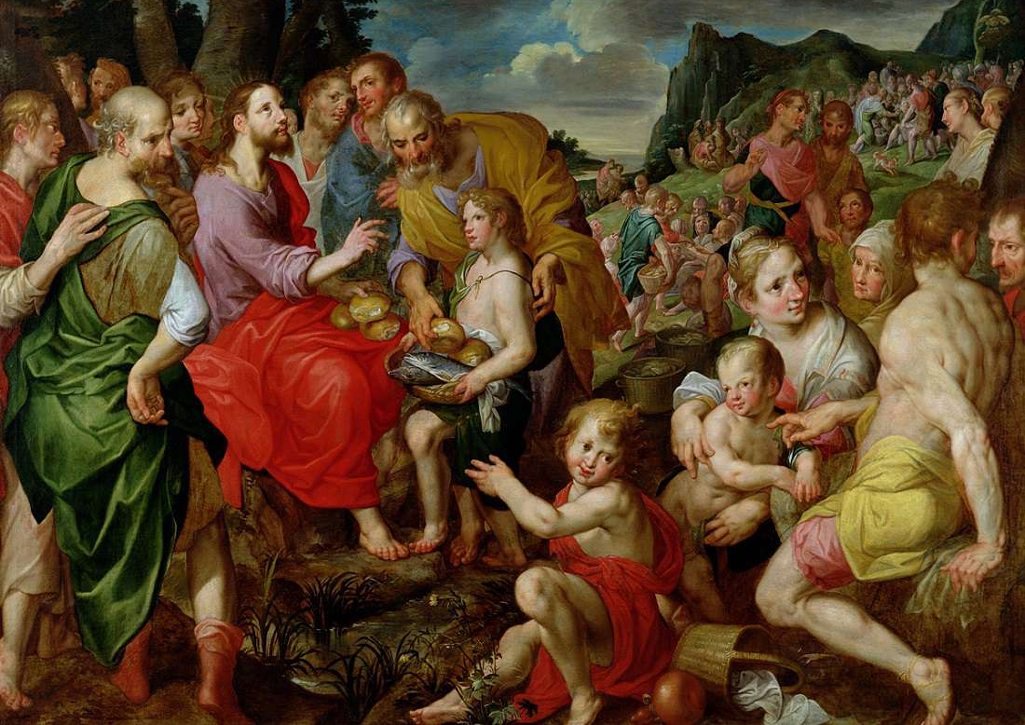
The people have gathered to be with Jesus, following Jesus on foot, out of the cities, to be near Jesus and to be healed, in a desert place. It may seem strange to us that the disciples wanted to send the people away! The disciples’ thought is that the people must go and buy themselves food to eat. Jesus knows differently. Jesus tells the disciples themselves to give the people the food they need to eat [ … ]
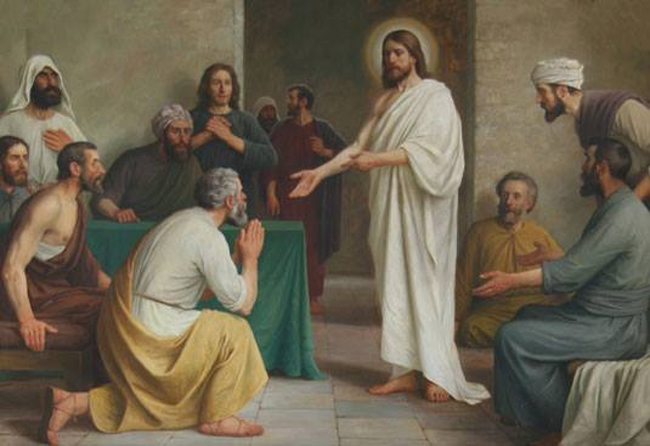
The disciples who encountered Jesus on their way to Emmaus have returned in haste to tell the disciples in Jerusalem what they have heard and seen. Jerusalem has long been a city special to God. It is the Holy City. The Church of Christ is described, in the New Testament, as the Jerusalem above, the heavenly Jerusalem, and the new Jerusalem [ … ]
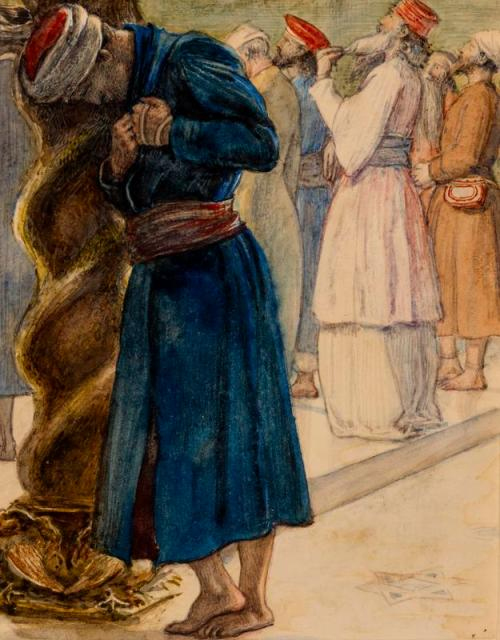
The scribes and Pharisees were two groups of religious leaders in ancient Judea, during the time of Jesus. The scribes were scholars who were responsible for copying and interpreting the Hebrew Scriptures (also known as the Old Testament). They were experts in the law and were often consulted on matters of religious practice and doctrine [ … ]
