

The image depicts King David at prayer from The Book Of Hours
Miserere Mei. Psalm 51/50. Have mercy upon me, oh Lord. Here the KJV King James Bible text.
YouTube: Psalm 51 KJV Audio | King James Audio Bible
Traditionally ascribed to King David, upon the discovery of his adultery, this psalm represents and enacts a perfect act of contrition, from the awareness and acknowledgement of sin, through acknowledgement of God, to celebration and renewal in faith with God.
It is to the choirmaster, a Psalm of David, when Nathan the prophet came to him, after he had gone in to Bathsheba. There is lust and in effect murder – as recounted in The Second Book Of Samuel, Chapter Eleven. King David’s is the behaviour of a despot. David has engaged multiply in evil.
The psalm is a plea to God for purification from sin and for a heart made clean.
The progression of the psalm is both exquisitely beautiful and in its way obvious and perfect. This is a model for Christian confession, for the sacramental reconciliation with God.
King David wholly acknowledges his sins. He acknowledges the blameless perfection of God, and that his sin is against God. He acknowledges the justice of God’s judgement, and he yet pleads clemency – mercy.
King David acknowledges his low state – his being born a sinner, through frailty of human condition. This saying acknowledges our imperfect relationship with sex. We are called to acknowledge disorderly aspects of our sexual instincts. We do not know specificity how King David was conceived. We may sense through the the saying that he was conceived in sin and iniquity that there is a strong sense of divergence from God as regards sexual matters. It might seem abundantly clear that there is a very serious need for purification as for a more orderly disposition regarding sex.
King David throws himself upon God’s mercy and begs for healing and wisdom in his inmost heart. There is a longing for Jesus – for deliverance from sin. This is an immensely complex psalm. There is an equation of sin, transgression, confession, and of God’s mercy, with the renewal of a capacity for prayer.
This new spirit – which is Christian – directs the sinner to unity with the Church in God – as the psalm anticipates Jesus.
It is transcendent – perfect. And yet so simple – as a sinner’s tears when we own up to God our sins. It is good to love this psalm. It is a model for all of us. There often should be tears at confession – and additionally joyful beyond remorse.
For Jesus we can all be sinners returned home. The psalm is of a piece with Jesus’ saying to the rich young man: ‘Sell everything you have and give the money to the poor and follow me.’ This is faith in Jesus. Amen.




Jesus’ teachings often challenged the worldly values and materialistic mindset prevalent in society. Jesus emphasized the importance of prioritizing eternal treasures over earthly possessions. One notable interaction occurred when a rich young ruler approached Jesus and asked what he must do to inherit eternal life (Mark 10:17-22, KJV) [ … ]
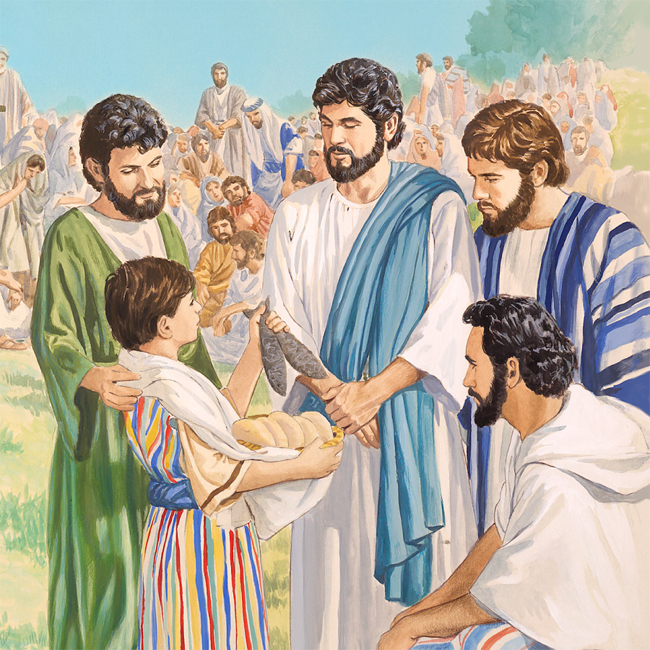
Today’s Bible verses are an extraordinary act of forgetting and of remembering. What do we mean by this? First off, we mean that Mark has not forgotten that he has already told us one story of Jesus feeding the multitude. To suggest otherwise than this would be absurd. We are intended to read this Gospel account of the feeding of a multitude in the light of our reading of the previous miracle of feeding. That’s part of the point [ … ]

Saint Cyril of Alexandria (c. 376–444), Patriarch of Alexandria and central figure in early Christological controversies, here articulates a robust theology of redemption grounded in the Incarnation and its sacramental outworking. Writing in the context of his conflict with Nestorius and the doctrinal developments that led to the Council of Ephesus (431), Cyril is concerned above all with affirming the unity of Christ’s divine and human natures, and the salvific power of that union. This excerpt reflects his mature theological vision, especially his emphasis on the death of Christ as the decisive means of defeating death and giving life to humanity through participation in his now-glorified body [ … ]