
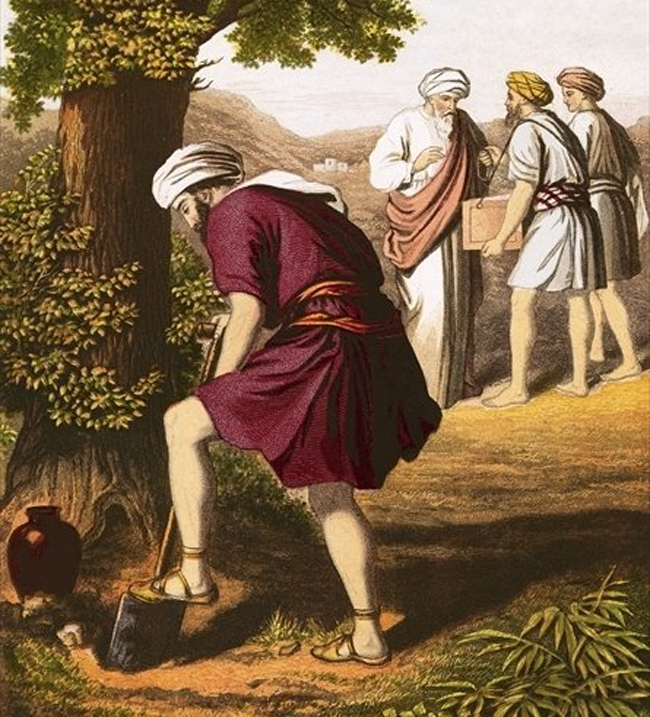
Christian Art | Jesus’ Parable Of The Talents
Luke 19: 11-28 | Parables Of Jesus | Parable Of The Talents
11 And as they heard these things, he added and spake a parable, because he was nigh to Jerusalem, and because they thought that the kingdom of God should immediately appear.
12 He said therefore, A certain nobleman went into a far country to receive for himself a kingdom, and to return.
13 And he called his ten servants, and delivered them ten pounds, and said unto them, Occupy till I come.
14 But his citizens hated him, and sent a message after him, saying, We will not have this man to reign over us.
15 And it came to pass, that when he was returned, having received the kingdom, then he commanded these servants to be called unto him, to whom he had given the money, that he might know how much every man had gained by trading.
16 Then came the first, saying, Lord, thy pound hath gained ten pounds.
17 And he said unto him, Well, thou good servant: because thou hast been faithful in a very little, have thou authority over ten cities.
18 And the second came, saying, Lord, thy pound hath gained five pounds.
19 And he said likewise to him, Be thou also over five cities.
20 And another came, saying, Lord, behold, here is thy pound, which I have kept laid up in a napkin:
21 For I feared thee, because thou art an austere man: thou takest up that thou layedst not down, and reapest that thou didst not sow.
22 And he saith unto him, Out of thine own mouth will I judge thee, thou wicked servant. Thou knewest that I was an austere man, taking up that I laid not down, and reaping that I did not sow:
23 Wherefore then gavest not thou my money into the bank, that at my coming I might have required mine own with usury?
24 And he said unto them that stood by, Take from him the pound, and give it to him that hath ten pounds.
25 (And they said unto him, Lord, he hath ten pounds.)
26 For I say unto you, That unto every one which hath shall be given; and from him that hath not, even that he hath shall be taken away from him.
27 But those mine enemies, which would not that I should reign over them, bring hither, and slay them before me.
28 ¶ And when he had thus spoken, he went before, ascending up to Jerusalem.
Jesus’ listeners continue to think that Jesus is journeying to Jerusalem there to inaugurate an earthly, political Kingdom of God, to expel the Roman power and restore an only ever briefly realized independent nation state in the Promised Land.
Jesus speaks this parable, which is similar to the parable of the talents, in order to teach his disciples that they are not very soon to see an instant transformation in the world and that they have a lot of work to do. Their calling is not to be to lord it over others; it is to serve and do the utmost with the gifts they have received through walking with Jesus, to magnify the faith and preach the Gospel to the whole world.
Jesus, the nobleman of the parable, is shortly to leave the disciples, the servants, to fulfil their commission to convert and to save the people of the world. He will return – and the lives of all of us culminate in our individual experience of Jesus’ return – and then he will demand an account of his disciples, which term now includes us.
What have we done with the gifts of faith we have been given? Both judgement and redemption loom – the cross is palpably present in these verses – as Christ begins his final ascent to Jerusalem.
‘Don’t let you life be barren. Be useful. Make yourself felt. Shine forth with the torch of your faith and your love. With your apostolic life, wipe out the trail of filth and slime left by the corrupt sowers of hatred. And set aflame all the ways of the earth with the fire of Christ that you bear in your heart.’ St Josemaria Escriva.


Audio Bible KJV | Endnotes
The Parable of the Pounds, also known as the Parable of the Talents, serves as an illustration of the importance of faithfulness and diligence in the use of the resources that God has entrusted to us. Through this story, Jesus teaches that each person has been given unique gifts and talents, and it is our responsibility to use those gifts and talents to the best of our ability for the glory of God.
In the parable, the first two servants doubled the amount of money they were given, while the third servant buried his money and did nothing with it. The first two servants were praised and rewarded for their faithfulness and diligence, while the third servant was punished for his lack of action.
The parable is a warning against complacency and apathy in our spiritual lives, and a call to action and faithful stewardship of the resources God has given us. It is a powerful illustration of the principle of accountability in our spiritual lives, as we will be held accountable for what we do with the resources and abilities that have been entrusted to us.
The parable is a reminder that our lives are not our own, and everything we have has been given to us by God for a purpose. Through this parable, Jesus teaches us to be faithful and diligent in using what we have been given for the glory of God, so that when He returns, we may hear Him say: ‘Well done, good and faithful servant.’


This reading is drawn from one of the Festal Letters of Saint Athanasius of Alexandria (c. 296–373). Each year, the bishop of Alexandria would issue a letter announcing the date of Easter and offering reflections on its theological and spiritual meaning. These letters were deeply pastoral in tone and also rich in doctrinal teaching, reinforcing central truths of Christian faith [ … ]
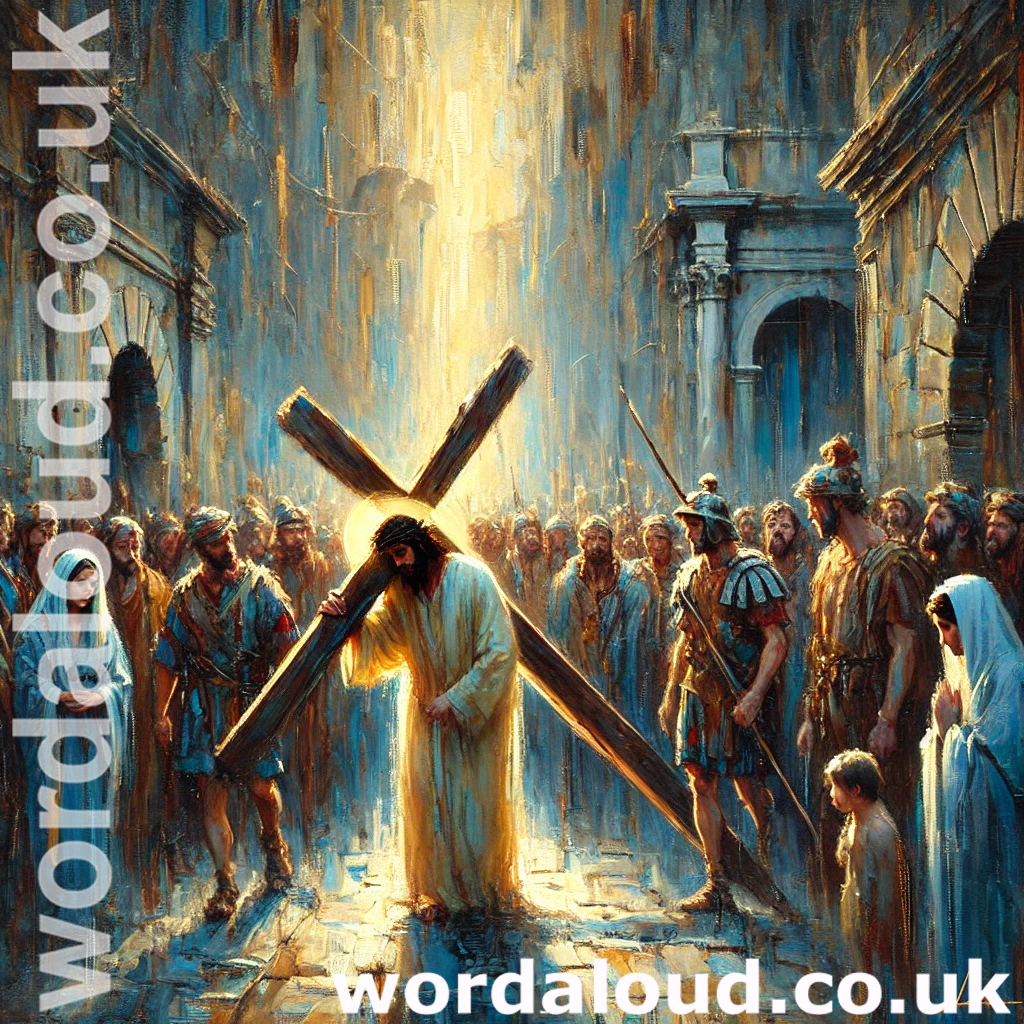
This powerful reading from Saint Fulgentius offers a rich meditation on the meaning of Christ’s sacrifice, drawing us deeply into the mystery at the heart of the Christian faith. It’s a fitting reflection for the final days of Lent, as we prepare to enter into Holy Week and contemplate Christ’s passion, death, and resurrection [ … ]
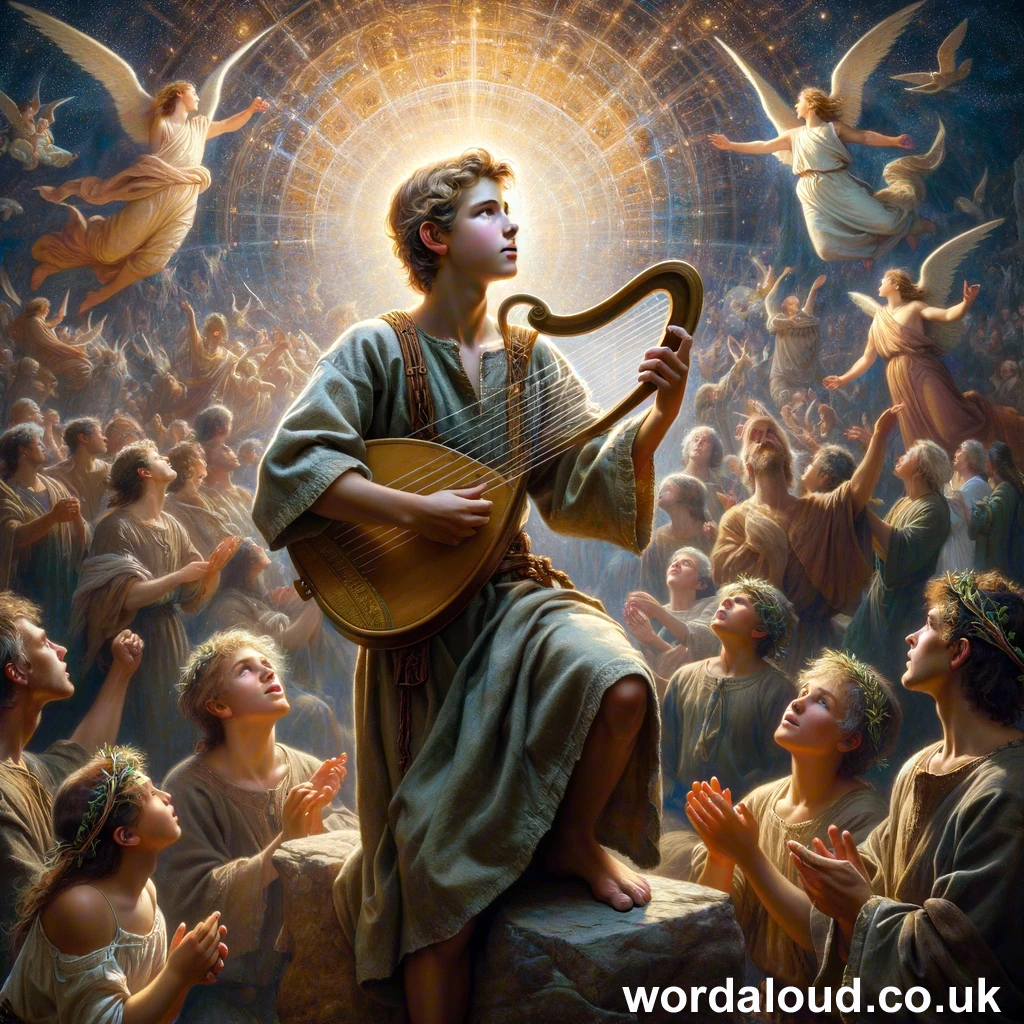
Psalm 150 concludes the Book of Psalms; a doxological finale, the psalm encapsulates essence of worship and praise. This psalm, concise yet profound in scope, commands praise for God across various mediums and settings, emphasizing universality and diversity of worship. The psalm is both capstone to the psalter and an invitation to all of creation to join in a chorus of adoration for God [ … ]
