

Audio by Oliver and David | Image by the machine | Artwork selection on YouTube
The Penitential Psalms are a group of seven psalms in the Book of Psalms in the Hebrew Bible that express feelings of guilt and beg for connection with God and seek forgiveness. They are Psalms 6, 32(/31), 38(/37), 51(/50), 102(/101), 130(/129), and 143(/142).
These psalms are considered ‘penitential’ because they express a sense of repentance and remorse for past actions, and they ask for God’s forgiveness and mercy. Indeed, a Christian may consider the psalms exemplary in terms of disposition for confession of sins as in abject humility. The psalms are often recited or sung in times of repentance and penance, such as during the Christian season of Lent.
Most of the psalms have a number that derives from the Hebrew Bible – the higher number – and a number that derives from the Septuagint – the ancient translation into Greek of the Hebrew Old Testament – which is also the number of the old Vulgate. This can be confusing and it is worth checking, if unsure, to which psalm a text might be referring.
In brief:
- Psalm 6 expresses the psalmist’s distress and pleading for God’s mercy.
- Psalm 32(/31) is a song of thanksgiving for forgiveness and the joy that comes with it.
- Psalm 38(/37) is a prayer for healing and deliverance from enemies and afflictions.
- Psalm 51(/50), also known as the ‘Miserere,’ is a prayer for forgiveness and cleansing of sins, it is one of the most well-known of the penitential psalms.
- Psalm 102(/101) is a prayer of a suffering and abandoned person, who feels forsaken by God and pleads for God’s mercy.
- Psalm 130(/129) is a plea for God’s mercy and forgiveness.
- Psalm 143(142) is a prayer for deliverance from enemies, guidance, and protection.
The psalms have been used throughout history for personal and communal worship, and have also been used for liturgical and devotional purposes in many religious traditions. They offer a powerful expression of the human experience of guilt, remorse, and the desire for forgiveness, and they remind us of the mercy and compassion of God.
Interpretations Of The Penitential Psalms
In addition to their use in worship and devotion, the Penitential Psalms have been the subject of much study and interpretation by scholars and theologians. Many of these psalms are thought to have been written during times of national or personal crisis, such as war or exile, and they reflect the feelings of the Jewish people as they struggled to understand their suffering and the role of God in their lives.
The imagery and language used in the Penitential Psalms is often powerful and evocative, and it has been interpreted in many different ways over the centuries. For example, Psalm 51, the ‘Miserere,’ uses the imagery of sacrifice and cleansing to express the need for forgiveness and purification from sin. Similarly, Psalm 102, which is a prayer of the suffering and abandoned person, uses the imagery of God as a rock, a refuge, and a stronghold to express the need for protection and deliverance.
The Penitential Psalms have also been important in the development of Christian theology and spirituality. For example, Psalm 51 is thought to have been used by Jesus in his own prayer of repentance, and it has been a source of inspiration for many Christian mystics and saints. Similarly, the themes and imagery of the Penitential Psalms have been used by Christian theologians to reflect on the nature of sin, repentance, and the mercy of God.
The Penitential Psalms In Church Tradition
In the Catholic Church, the Penitential Psalms are traditionally recited during the season of Lent, which is a time of repentance and preparation for Easter. Similarly, in the Eastern Orthodox Church, these psalms are recited during Great Lent, which is the most important fasting season of the year.
Additionally, the Penitential Psalms have been important in the monastic tradition and many monasteries and religious orders have used them as part of their daily office or liturgy of the hours. They also have been used as a form of spiritual exercise and meditation, as a way to reflect on one’s own sinfulness and the need for God’s forgiveness.
Many of the psalms have been set to music and have become popular hymns in the Christian tradition. Psalm 51 (Miserere) has been set to music by many composers, including Gregorio Allegri and Wolfgang Amadeus Mozart. Psalm 130 (De Profundis) is often set to music and is used in the Requiem mass.
This has helped make the psalms accessible to people, and has allowed them to be used in worship in a more meaningful way.
Many of the Penitential Psalms are also considered Messianic Psalms, prophecies about the coming of the Messiah, and thus have been interpreted in Christian theology in terms of Jesus.
Christian leaders and writers have offered thoughts about the psalms throughout the ages:
- Saint Augustine, an early Christian theologian, wrote extensively on the Penitential Psalms, and believed that they are ‘a sort of compendium of the entire spiritual life’ and that they offer a powerful expression of the human experience of repentance and the mercy of God. He emphasized that these psalms are a way to express the sorrow of the soul and to seek forgiveness from God. He also believed that they offer a path to spiritual growth, helping us to understand the nature of sin, repentance, and the love of God.
- Saint Thomas Aquinas, a medieval Catholic theologian, wrote that the Penitential Psalms are ‘a mirror of the spiritual life’ and that they help us to understand the nature of sin and the need for God’s forgiveness. He believed that these psalms express the sorrow of the soul and the desire for God’s mercy, and that they help us to grow in the virtue of humility and in the love of God.
- Martin Luther, a 16th-century Protestant reformer, wrote that the Penitential Psalms are ‘a school of repentance’ and that they teach us how to confess our sins and trust in God’s mercy. He believed that these psalms express the sorrow of the soul, the need for God’s forgiveness, and the hope of salvation. He also believed that they help us to understand the nature of faith and the love of God.
- John Calvin, another 16th-century Protestant reformer, wrote that the Penitential Psalms are ‘a mirror of the human heart’ and that they help us to understand the depth of our own sinfulness and the need for God’s grace. He believed that these psalms express the sorrow of the soul, the need for God’s forgiveness, and the hope of salvation. He also believed that they help us to understand the nature of faith, repentance, and the love of God.
- Saint Ignatius of Loyola, a 16th-century Catholic mystic, wrote that the Penitential Psalms are ‘a ladder to heaven’ and that they help us to ascend to a deeper understanding of God’s love and mercy. He believed that these psalms express the sorrow of the soul, the need for God’s forgiveness, and the hope of salvation. He also believed that they help us to understand the nature of faith, repentance, and the love of God, and to experience a deeper union with God.
- Dietrich Bonhoeffer, a 20th-century German theologian, wrote that the Penitential Psalms are ‘a school of humility’ and that they teach us to recognize our own sinfulness and to rely on God’s grace. He believed that these psalms express the sorrow of the soul, the need for God’s forgiveness, and the hope of salvation. He also believed that they help us to understand the nature of faith, repentance, and the love of God, and to experience a deeper humility and obedience to God.
- Karl Barth, a 20th-century Swiss theologian, wrote that the Penitential Psalms are ‘a school of faith’ and that they teach us to trust in God’s mercy and forgiveness. He believed that these psalms express the sorrow of the soul, the need for God’s forgiveness, and the hope of salvation. He also believed that they help us to understand the nature of faith, repentance, and the love of God, and to experience a deeper trust in God.
- Pope Francis, 21st-century Catholic Pope, in his homily, said that the Penitential Psalms are ‘a school of prayer’ and that they help us to experience the healing power of God’s love and mercy. He emphasized that these psalms express the sorrow of the soul and the need for God’s forgiveness, but also offer a path to spiritual growth and a deeper relationship with God. He also encourages individuals to regularly recite the penitential psalms in their personal prayers, as they serve as a powerful tool in the process of conversion and reparation.
- Rowan Williams, 21st-century Anglican Archbishop, wrote that the Penitential Psalms are ‘a school of self-awareness’ and that they help us to understand the nature of our own sinfulness and the need for God’s mercy. He believed that these psalms express the sorrow of the soul and the need for God’s forgiveness, but also offer a path to spiritual growth and a deeper understanding of the love and grace of God. He also encourages individuals to use the penitential psalms as a means of self-examination, as they help us to be more aware of our thoughts, words, and actions, and to seek forgiveness and redemption.
The Penitential Psalms Connect To Jesus On The Cross
The Penitential Psalms are closely connected to the idea of Christ on the Cross. The psalms express the sorrow and contrition of the soul that is seeking forgiveness, and this is reflected in Christ’s sacrifice on the Cross. He took on the sins of humanity, and his suffering and death can be seen as the ultimate expression of repentance and the desire for forgiveness.
Also, the Penitential Psalms offer a path to spiritual growth and redemption, and this is reflected in the redemption offered by Christ on the Cross. Through his death and resurrection, Christ offers the forgiveness of sins and the hope of eternal life to all who believe in him. The Penitential Psalms, through their focus on repentance and the mercy of God, can be seen as a powerful tool in the process of conversion and reparation that leads to redemption.
Lastly, the Penitential Psalms also reflect on the themes of humility, faith, and obedience, which are also central to the message of Christ on the Cross. Christ’s humility in willingly taking on human form and his obedience to God’s will, even unto death, is a powerful example of what it means to live a life of faith. The Penitential Psalms can help us to understand and emulate these virtues and to grow in our own relationship with God.
What Might A Christian Do To Pray The Psalms Most Efficaciously?
One might recite one or more of the Penitential Psalms each day during Lent. A way to pray the Penitential Psalms is to meditate on their themes and apply them to one’s own life. This can involve reading and reflecting on the words of the Psalms, and using them as a guide for personal examination and confession. The book of psalms is a great resource to help an individual to understand the human emotions and to put in the right perspective the relationship with God.
Many Christian communities will pray the Penitential Psalms during communal worship services, such as during a Lenten service or a penitential service. This can involve singing or chanting the psalms, or reading them as part of a liturgical service.
One of the most recommended ways to pray the psalms is Lectio Divina, which is a traditional monastic practice of scriptural reading, meditation and prayer. It’s a way to listen to the word of God and to let it penetrate the heart. This practice involves four steps: reading, meditating, praying, and contemplating. In this way, an individual can read the Penitential Psalms and meditate on their meaning, personalize them and apply them to one’s own life, and finally, pray and contemplate on their message.
Pope Benedict XVI in his book Jesus Of Nazareth wrote: ‘The psalms are the great school of prayer, of the dialogue with God. They are the “textbook” of the prayers of the Church, and they are the prayers of Jesus himself. The psalms are the very breath of the Church, her very soul.’ He added that ‘the psalms are an essential part of Christian prayer, and they should be recited and meditated on regularly, as they are a powerful tool for spiritual growth and a deeper relationship with God’.
Suggested Recordings Of The Miserere – Psalm 51
- Gregorio Allegri’s ‘Miserere’ is one of the most famous settings of this psalm. It was composed in the 17th century and was traditionally sung during the Tenebrae service in the Sistine Chapel. The choir of the Sistine Chapel, conducted by Pope Francis, recorded it.
- Another well-known setting of ‘Miserere’ is by the composer Wolfgang Amadeus Mozart, who reportedly transcribed the piece from memory after hearing it sung in the Sistine Chapel.
- ‘Miserere’ by Italian composer and conductor, Giovanni Pierluigi da Palestrina, is considered one of the finest examples of Renaissance polyphony.
- ‘Miserere’ by French composer Marc-Antoine Charpentier, is a setting of Psalm 51 for solo voice, choir, and continuo.
- ‘Miserere’ by the English composer Thomas Tallis, is a beautiful setting of the psalm, featuring a solo voice accompanied by choir and organ.
- ‘Miserere’ by contemporary composer Arvo Pärt, is a setting of Psalm 51 for choir and string orchestra.
- ‘Miserere’ by contemporary composer James MacMillan, is a setting of Psalm 51 for choir and organ that interweaves elements of Scottish traditional music.




Jesus’ listeners continue to think that Jesus is journeying to Jerusalem there to inaugurate an earthly, political Kingdom of God, to expel the Roman power and restore an only ever briefly realized independent nation state in the Promised Land. Jesus speaks this parable, which is similar to the parable of the talents, in order to teach his disciples that they are not very soon to see an instant transformation in the world and that they have a lot of work to do. Their calling is not to be to lord it over others; it is to serve and do the utmost with the gifts they have received through walking with Jesus, to magnify the faith and preach the Gospel to the whole world [ … ]
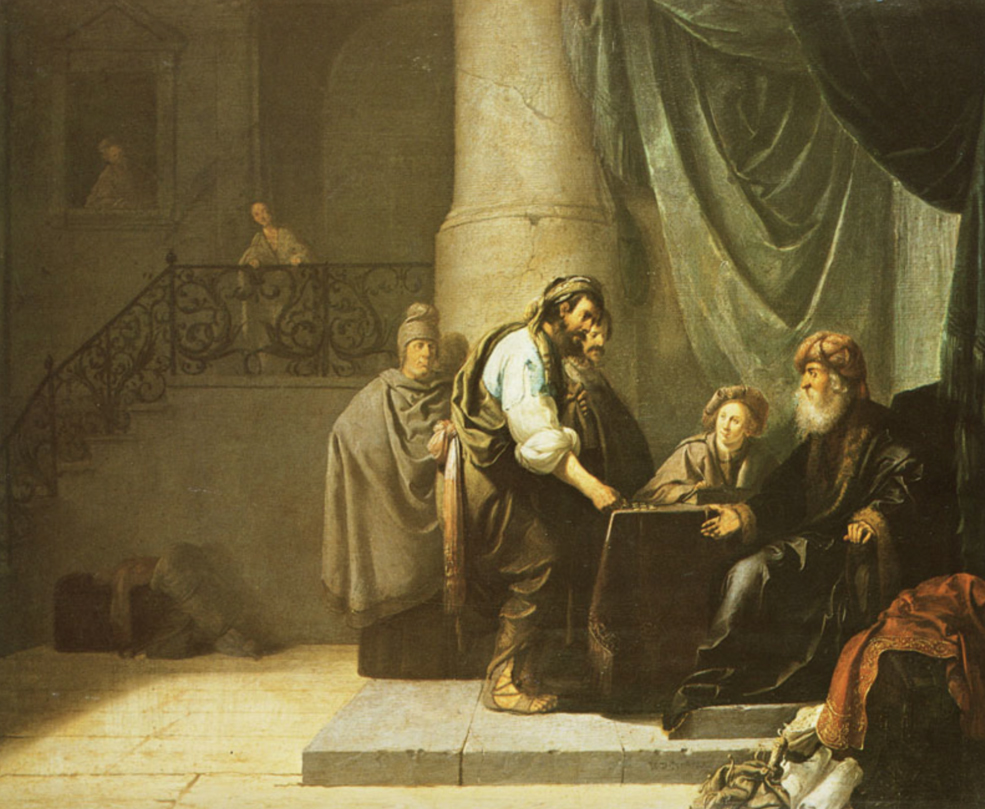
We are taught to use the great gifts God has given us, not to bury our abilities, to take risks, not to be afraid of your Master, to work the gifts we have received to bear fruit for God and the Kingdom, to open ourselves fully to God in the spirit of the New Law, then the Kingdom will grow and welcome all of us. In the Parable of the Talents, the gifts each servant receives are not identical [ … ]

Psalm 88 expresses despair and there is an absence of the redemptive turn found in many other psalms. Traditionally ascribed to Heman the Ezrahite, this psalm explores depths of human suffering and spiritual desolation, offering a raw and unfiltered cry from the soul [ … ]
