
![[sc name="in_body_ad_001"][/sc]](https://wordaloud.co.uk/wp-content/uploads/2023/09/034-psalm-king-james-audio-kjv-bible-word-aloud-001-710x710.jpg)
Christian Art | Prayer With Jesus | Psalms | Taste And See That The Lord Is Good | King David As A Boy | King James Audio Bible Psalm 34 | KJV
Psalm 34 | King James Audio Bible
YouTube: Psalm 34 KJV | King James Audio Bible | Word Aloud | Psalms
Psalm 34 expresses faith, gratitude and unwavering trust in the divine providence of the Lord. In the psalm, we encounter celebration of God’s goodness and a resounding call to praise God in all circumstances.
Anthem of Praise: Psalm 34 is an anthem of praise—a melodic reminder that the act of praising the Lord is not limited to joyous moments but is a continual refrain in the life of a believer. David’s words resonate with a profound truth: ‘I will bless the Lord at all times; His praise shall continually be in my mouth’ (Psalm 34:1). This declaration underscores the idea that irrespective of life’s trials or triumphs, the Lord is deserving of our perpetual adoration.
Refuge of the Humble: The psalmist extols the idea that God is a refuge for the humble. Those who turn to God in humility and sincerity find solace and protection in God’s presence. In times of distress and fear, the Lord provides deliverance, as David himself testifies: ‘I sought the Lord, and He heard me and delivered me from all my fears’ (Psalm 34:4). This assurance of divine deliverance resonates through the psalm and is a comforting message for those who place their trust in the Almighty.
Taste and See: Psalm 34 invites us to ‘Taste and see that the Lord is good; blessed is the man who trusts in Him’ (Psalm 34:8). The words evoke a sensory experience—a call personally to encounter the goodness of God. To ‘taste’ the Lord’s goodness is to experience God’s love firsthand, to find satisfaction and fulfillment in Him. It is an invitation to explore the depth of God’s benevolence through faith and trust.
Fear of the Lord: Within the psalm lies a profound lesson in the fear of the Lord—a reverence that leads to wisdom and understanding. David imparts this wisdom, saying, ‘Come, you children, listen to me; I will teach you the fear of the Lord’ (Psalm 34:11). This teaching is a call to embrace a life characterized by righteousness and the pursuit of peace. It is a path that leads to a deeper connection with God and a life marked by His blessings.
Divine Rescue and Protection: Throughout Psalm 34, we find numerous references to divine rescue and protection. The psalmist assures us that ‘The angel of the Lord encamps all around those who fear Him and delivers them’ (Psalm 34:7). This image of angelic protection evokes a sense of God’s watchful care over His children. It underscores the notion that, even in the face of adversity, God is our shield and safeguard.
Redeemer of Souls: The psalm culminates in a powerful declaration that ‘The Lord redeems the soul of His servants, and none of those who trust in Him shall be desolate’ (Psalm 34:22). Here, we encounter the profound concept of redemption—the act of being bought back or delivered from bondage. It is a promise that God, as our Redeemer, rescues us from the consequences of our transgressions, offering salvation to all who place trust in Him.


Psalm 34 | King James Audio Bible KJV | Love Revealed By Jesus Christ
I will bless the Lord at all times: his praise shall continually be in my mouth.
My soul shall make her boast in the Lord: the humble shall hear thereof, and be glad.
O magnify the Lord with me, and let us exalt his name together.
I sought the Lord, and he heard me, and delivered me from all my fears.
They looked unto him, and were lightened: and their faces were not ashamed.
This poor man cried, and the Lord heard him, and saved him out of all his troubles.
The angel of the Lord encampeth round about them that fear him, and delivereth them.
O taste and see that the Lord is good: blessed is the man that trusteth in him.
O fear the Lord, ye his saints: for there is no want to them that fear him.
The young lions do lack, and suffer hunger: but they that seek the Lord shall not want any good thing.
Come, ye children, hearken unto me: I will teach you the fear of the Lord.
What man is he that desireth life, and loveth many days, that he may see good?
Keep thy tongue from evil, and thy lips from speaking guile.
Depart from evil, and do good; seek peace, and pursue it.
The eyes of the Lord are upon the righteous, and his ears are open unto their cry.
The face of the Lord is against them that do evil, to cut off the remembrance of them from the earth.
The righteous cry, and the Lord heareth, and delivereth them out of all their troubles.
The Lord is nigh unto them that are of a broken heart; and saveth such as be of a contrite spirit.
Many are the afflictions of the righteous: but the Lord delivereth him out of them all.
He keepeth all his bones: not one of them is broken.
Evil shall slay the wicked: and they that hate the righteous shall be desolate.
The Lord redeemeth the soul of his servants: and none of them that trust in him shall be desolate.

Key Themes Of The Psalm For Reflection | Love Revealed By Jesus Christ
- Praise and Thanksgiving: The psalm is a song of praise and thanksgiving, emphasizing the continual need to bless and praise the Lord.
- Divine Deliverance: The psalm highlights the idea that God delivers those who seek Him from their fears and troubles.
- God as a Refuge: Psalm 34 portrays God as a refuge for the humble, providing protection and solace.
- Tasting God’s Goodness: The psalm invites believers to taste and experience the goodness of the Lord through trust and faith. Taste and see that the Lord is good.
- The Fear of the Lord: The psalm teaches the fear of the Lord as a path to wisdom and understanding, leading to righteousness and peace.
- Angel’s Protection: There is an assurance of God’s angelic protection for those who fear Him.
- Divine Redemption: The psalm concludes with the concept of divine redemption, highlighting God as the Redeemer of souls who delivers those who trust in Him from desolation.


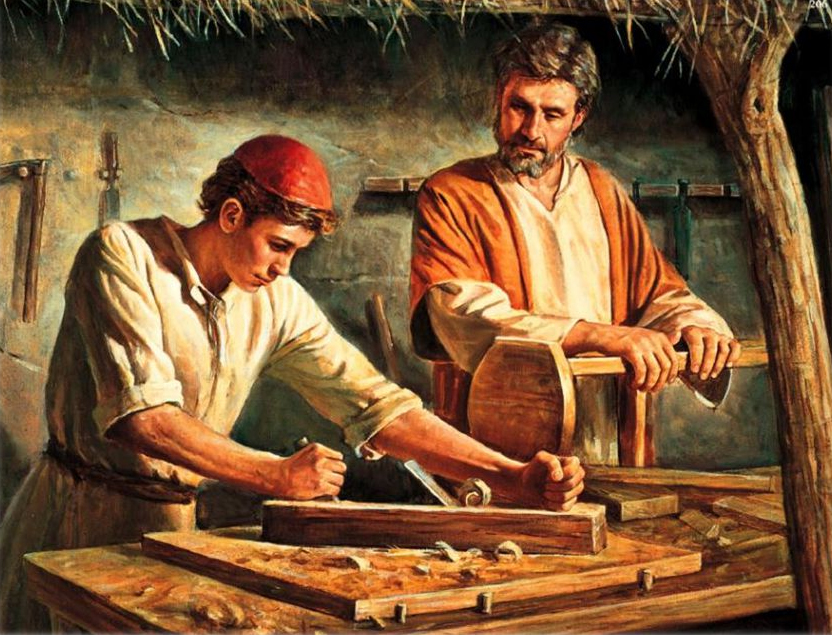
On Tuesday, His Grace turns to the theme of Jesus’ hidden years. His Grace asks the students to consider questions concerning what really happened: ‘Who, for instance, was Joseph? Was he indeed a carpenter, or has Joseph’s true role in the society in which he lived been misconstrued and forgotten to us? Though it be a beautiful, simplifying image to grasp, which offers to us much that is of value in Catholic faith… ‘A wise elder, which carpenter could mean, or a great engineer, an architekton, which in the Greek does not mean carpenter. But carpenter in the Hebrew could mean a wise man…’ His Grace turns the pages of his Bible back and forth, as if to itemize the paucity of information. Then he says: ‘What I think I can say to you with confidence is that it is of profound significance that we simply don’t know what Jesus was doing for most of his earthly life. There are some very different possibilities. One idea cherished by the Church is that Jesus worked with his father Joseph as a carpenter. Another possibility is that Jesus lived and prayed and studied closely with John the Baptist. They were cousins, and very close, almost the same, in age. Luke’s Gospel tells us clearly that Jesus and John knew each other from within the womb before they were born. So there may have been something quite important happening there. You see, we don’t know – it is an impossible mystery to us – just how much Jesus had to learn. This is because, if Jesus knew everything, humanly speaking, even as a tiny baby, then how can we say he is fully human? We simply can’t probe too far into this mystery, but we can draw extraordinary truth and healing from this thought, which becomes of immense relevance in our own lives. Jesus came to know and to understand himself not merely as a son of God, but as God the Son, and so as self-identical with his Father. It is not an adoptive relationship. Jesus is God. Now so much is hidden here. But this is a great gift. If you think about it, how do we come to know that we are loved by God, that we have our relationship with God? What are we born with in here’ – his chest – ‘and what do we have to learn? This is to say, what is gifted to us by other Christians at our baptism? ‘Jesus must have studied, and experienced profound revelation about who and what he truly was, and, so it seems to be, these studies cannot have been confined to the Semitic world. But this is the important point: there is a hiddenness about all of this. No matter which schools and which sects our Lord might have encountered all these years, this to us is as a desert space. What this means is that we can enter into the hidden life of Jesus, and there we can discover our own being with God, our own sonship. Our own particular being loved by God can come to us, if we can enter within this great unknown – into this desert space, where we are loved by Jesus. I firmly believe that there may be a great Lenten mystery in this period of our Lord’s life.’ A Bishop’s Lenten Homily | Extracted From The Gospel According To Tomàs | Faith And Hope And Love And Sexuality | Part 1 A Bishop’s Lenten Homily | Extracted From The Gospel According To Tomàs | Faith And Hope And Love And Sexuality | Part 2 A Bishop’s Lenten Homily | Extracted From The Gospel According To Tomàs | Faith And Hope And Love And Sexuality | Part 3 A Bishop’s Lenten Homily | Extracted From The Gospel According To Tomàs | Faith And Hope And Love And Sexuality | Part 4 | King James Audio Bible | KJV A Bishop’s Lenten Homily | Extracted From The Gospel According To Tomàs | Faith And Hope And Love And Sexuality | Part 5 A Bishop’s Lenten Homily | Holy Week | Extracted From The Gospel According To Tomàs | Faith And Hope And Love And Sexuality | Part 6
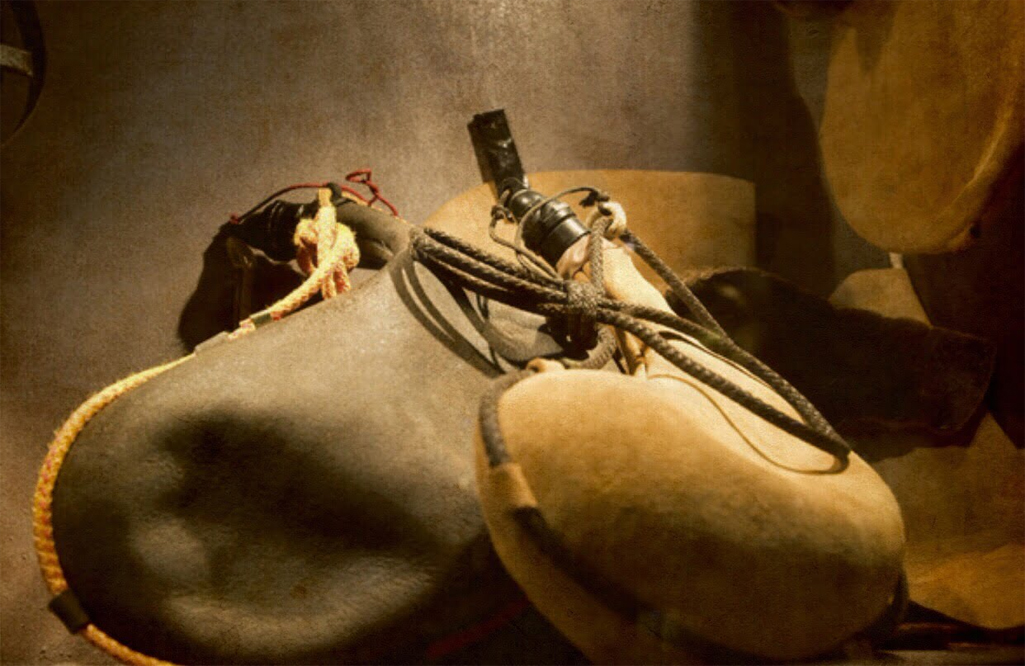
In today’s Gospel verses, as yesterday and tomorrow, Jesus finds himself in conflict with some of the Jewish religious leaders. Today, the issue is fasting. It seems Jesus and his disciples are not following received custom [ … ]
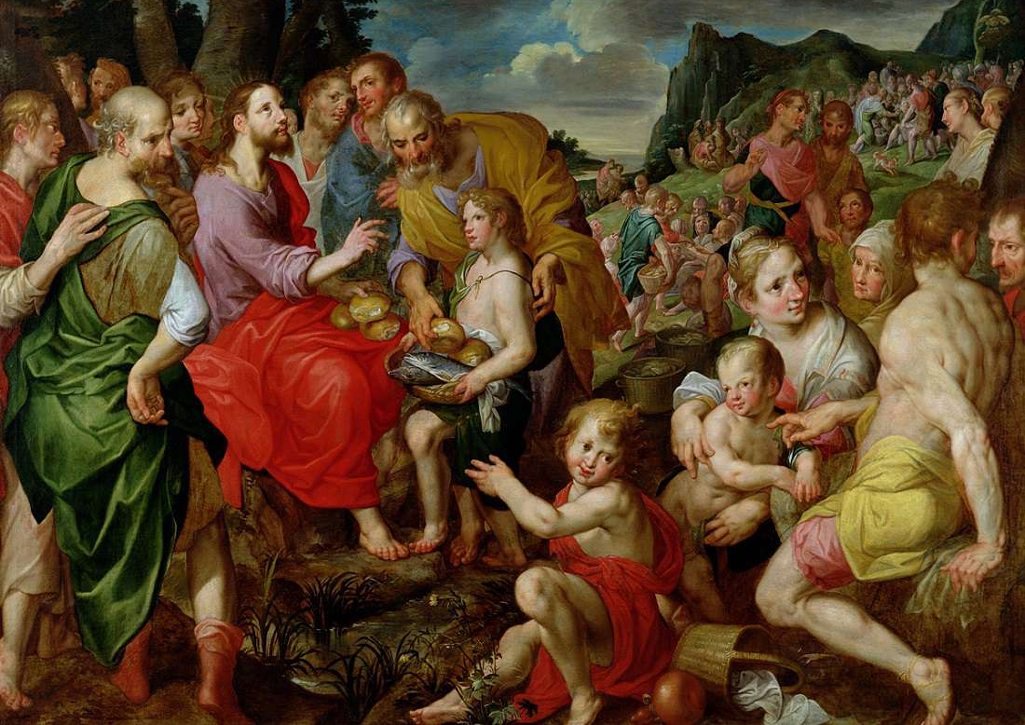
The people have gathered to be with Jesus, following Jesus on foot, out of the cities, to be near Jesus and to be healed, in a desert place. It may seem strange to us that the disciples wanted to send the people away! The disciples’ thought is that the people must go and buy themselves food to eat. Jesus knows differently. Jesus tells the disciples themselves to give the people the food they need to eat [ … ]
