The Gospel Of Saint Luke, Chapter 2 | The Birth Of Jesus
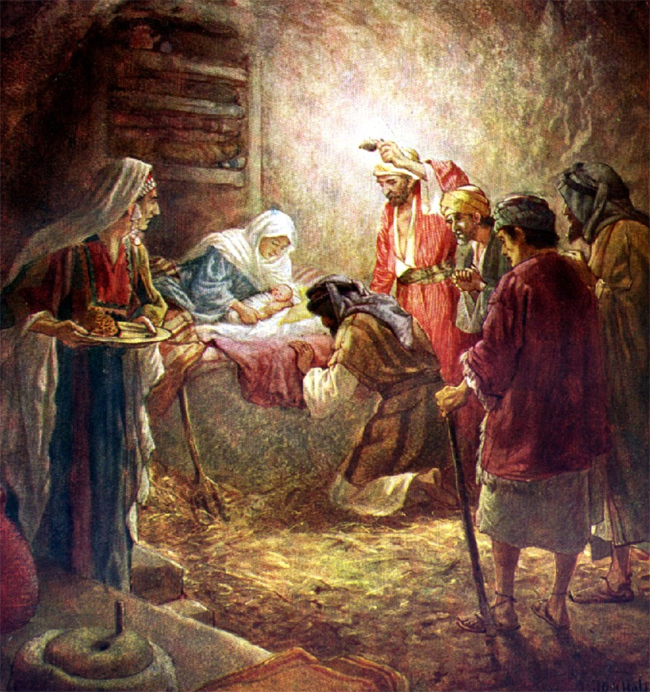
Our Advent prayers recall Jesus and Mary and Joseph in Bethlehem, the birth of Jesus, the story of the Nativity as handed down to us especially through the Gospels of Matthew and Luke. It is such a wonderful, intimate story, of Mary and Joseph, two people whose lives would have been otherwise utterly obscure, lived out in a remote province of the Roman Empire, far from the centre of things, to whom something extraordinary is happening.
The Angel Gabriel has visited Mary, as we read in Luke’s Gospel, and an angel has visiting Joseph in a dream, as we read in Matthew. Into Mary’s and Joseph’s humble, provincial lives, there has been an invasion of fearsome higher powers beyond the reach of human comprehension to grasp. As they journey, as Mary and Joseph seek shelter, as Mary’s time is upon her, Mary is about to give birth to God. Our Lord Jesus Christ is ready to enter this world which was created through him. God’s loving plan for our salvation is to be realised. Through our Lord Jesus’ life we are to be redeemed.
The birth of Jesus to Mary in a place far from home is God’s defining intervention in history, and God’s personal entrance as a human being, God incarnate, into history. Christians express this truth of faith in the Nicene/Niceno–Constantinopolitan Creed, formulated in AD 325 and 381 – and then with variations between different Christian traditions. This is the text of the Niceno-Constantinopolitan Creed (the profession of the faith) as currently affirmed in English translation by the Church, as translated from the Latin text, which derives from the Greek and includes ‘Deum de Deo’ and the ‘Filioque’:
I believe in one God,
the Father almighty,
maker of heaven and earth,
of all things visible and invisible.
I believe in one Lord Jesus Christ,
the Only Begotten Son of God,
born of the Father before all ages.
God from God, Light from Light,
true God from true God,
begotten, not made, consubstantial with the Father;
through him all things were made.
For us men and for our salvation
he came down from heaven,
and by the Holy Spirit was incarnate of the Virgin Mary,
and became man.
For our sake he was crucified under Pontius Pilate,
he suffered death and was buried,
and rose again on the third day
in accordance with the Scriptures.
He ascended into heaven
and is seated at the right hand of the Father.
He will come again in glory
to judge the living and the dead
and his kingdom will have no end.
I believe in the Holy Spirit, the Lord, the giver of life,
who proceeds from the Father and the Son,
who with the Father and the Son is adored and glorified,
who has spoken through the prophets.
I believe in one, holy, catholic and apostolic Church.
I confess one Baptism for the forgiveness of sins
and I look forward to the resurrection of the dead
and the life of the world to come. Amen.
The Niceno-Constantinopolitan Creed, formulated to bring unity, a clear core of Christian belief, to the fourth century Christian Church, clearly expresses Christian faith that Jesus is God the Son. In some ways, the Creed was designed to be a compromise between different people’s Christology, but at the core this is affirmed: Jesus is God the Son become incarnate as a human being. Both of these conditions, Jesus as God and Jesus as human being, are confessed to be required for our salvation.
The Niceno-Constantinopolitan Creed did not put an end to debate, indeed to conflict. We can understand why this might have been. There is deep mystery here. How can God – eternal, perfect, immutable, absolute good – become a human being, who is born, who needs to breathe and eat, who lives and grows and changes from day to day, who goes to the toilet? If Jesus is both God and man, how does that work – how was that during his lifetime with us?
We believe that Jesus, God the Son incarnate, was 100% human being and 100% God – not 50/50, and not a human being especially favoured by God and filled with his Spirit as he began his ministry, and not God masquerading as a human being, pretending to be human, putting on a show, while being really apart from our human condition in all essentials. As we read the Bible, our salvation works if Jesus is human and Jesus is God.
As we pray to Jesus, as we offer our prayers to and with Jesus, during the course of Advent as with Mary we anticipate Jesus’ birth, we recall our Bible readings of the whole of the Gospel, during which Jesus’ true identity is often veiled and then gradually revealed to his disciples. Our reading of all of the Gospels, the Synoptics as well as John, affirms through and through that Jesus is truly God the Son. This is why Jesus is able to reinterpret the Law – to amend, to change the Law. This is why Jesus is able to place himself at the heart of the Sabbath and perform his healing miracles there. This is why our Bible reading as a whole tends toward and reaches its summit in the figure of Jesus on the cross, and the glory there in this salvific moment of history, where Mary was once more with Jesus – Mary saw Jesus into this world, and she was present as they put him to death on the cross.
The sign of the cross is present as we contemplate Mary and Jesus in Bethlehem, the birth of our Lord Jesus Christ far from home. In the most unexpected way possible, defenceless, uncomfortable, making do, God has entered into His Creation as a human being. This is love. Jesus himself is love, as God is love. The life of Jesus has begun and with this we are all called. All can now be healed.
Our prayer to Jesus is an act of love. Through Advent, as always, we know that our prayer needs practice, in order that we might give ourselves in complete love, which is as God loves us and how Jesus gave himself when he was made incarnate. Through prayer, we ask to be able to love absolutely, to reciprocate Jesus’ love, to be with Mary as the handmaid of the Lord.
It is especially fitting during the Season of Advent that we look to Mary to teach us how to pray to and with Jesus. Mary gave herself, when the Angel Gabriel told her what was happening, to become the model of complete self-surrender and acceptance of the will of God. ‘Behold,’ she said, ‘the handmaid of the Lord.’ May we empty ourselves of all conceit, of all pride, of all self-importance – and then of all external distraction, so that we may adopt Mary’s attitude to God and to the birth of Jesus. This Christmas, may Christ be born is us anew.


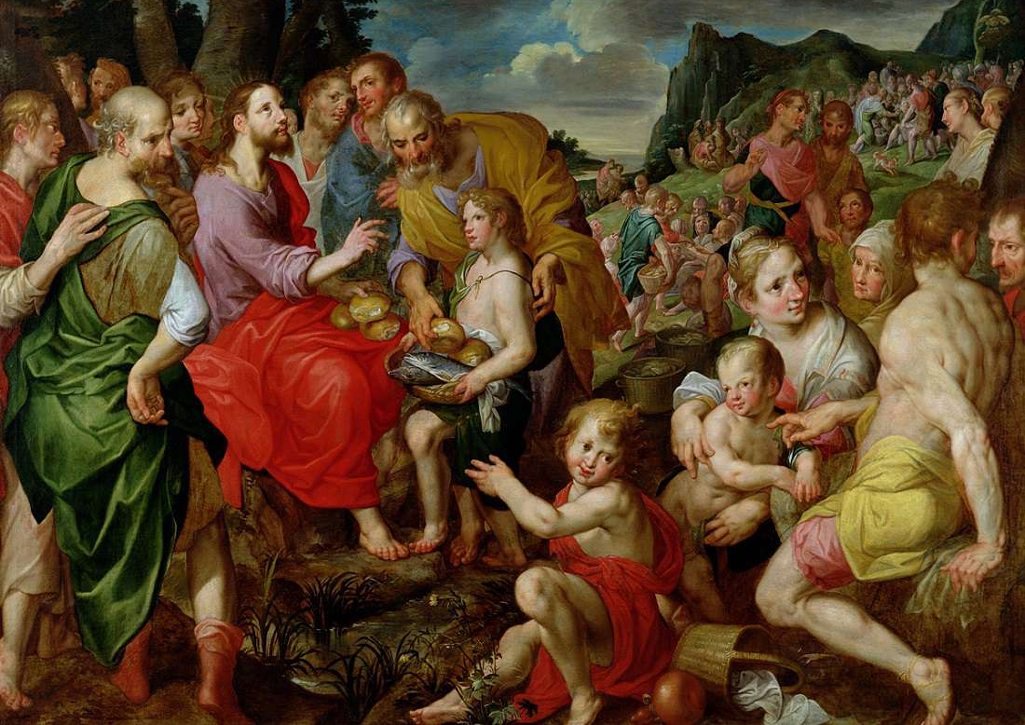
The people have gathered to be with Jesus, following Jesus on foot, out of the cities, to be near Jesus and to be healed, in a desert place. It may seem strange to us that the disciples wanted to send the people away! The disciples’ thought is that the people must go and buy themselves food to eat. Jesus knows differently. Jesus tells the disciples themselves to give the people the food they need to eat [ … ]
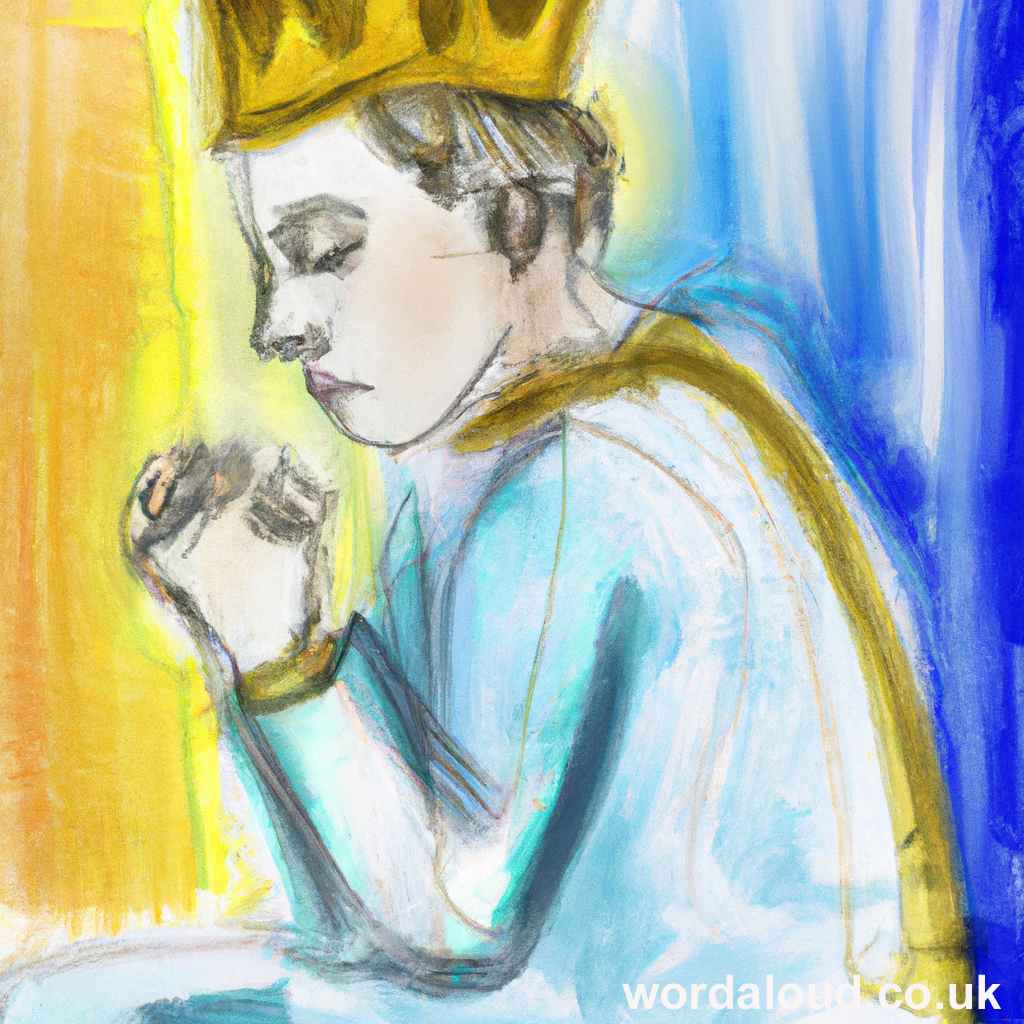
Psalm 60 seeks divine intervention in times of trouble. It is a plea for God’s guidance and protection during challenging moments. The psalmist begins by acknowledging a sense of abandonment and dispersion by God, recognizing the need for divine favor once more. Imagery of a trembling earth and brokenness symbolizes turmoil faced by the psalmist and the people [ … ]
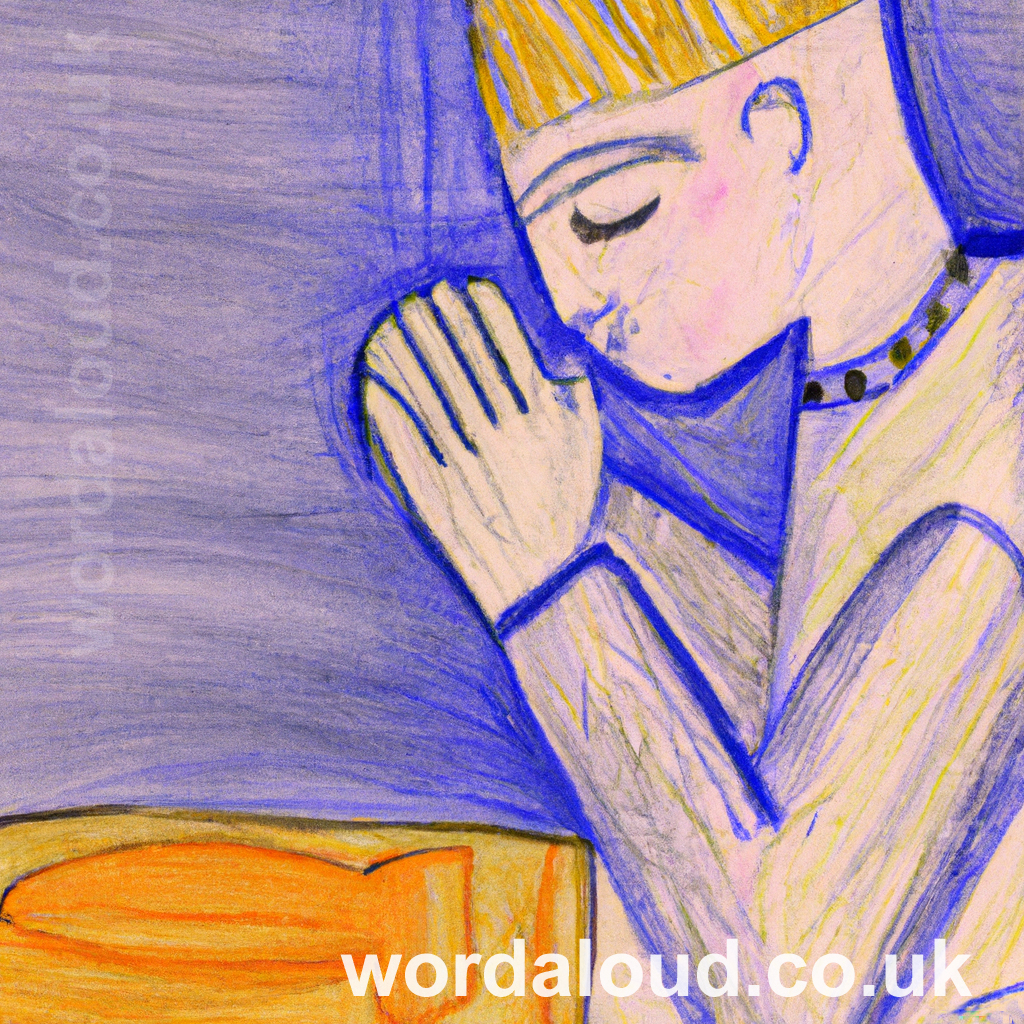
Psalm 81 is a beautiful and sensitive call to worship God. The psalm becomes a tapestry of remembrance, recounting the historical journey of the Israelites from the land of Egypt and God’s faithfulness in delivering them. The psalmist invites the people to celebrate the appointed feasts, recalling the statutes and laws established by the God of Jacob. In this call to celebration is a reminder of human disobedience and consequences of turning away from God’s loving guidance. There is earnest plea for Israel to heed the divine voice, embrace obedience, and receive abundant blessings promised by their covenant-keeping God [ … ]