
Christian Art | Saint Irenaeus
Office Of Readings | Week 2, Saturday, Ordinary Time | A Reading From The Treatise Of Saint Irenaeus Against The Heresies | The Pure Oblation Of The Church
‘The pure oblation of the Church.’
In this reading from Against Heresies, Saint Irenaeus of Lyons explains the meaning of Christian offering and its place within God’s saving plan. Writing in response to teachings that misunderstood creation, sacrifice, and the body, he presents the Church’s oblation as both faithful to God’s purpose and rooted in gratitude for creation.
Irenaeus begins by affirming that the Church’s offering, made throughout the world, is acceptable to God and described as pure. God does not require sacrifice out of need; rather, the act of offering honours both God and the one who offers. Sacrifice, therefore, is not a transaction but a relationship. It expresses love, reverence, and acknowledgement of God as giver of all things.
Irenaeus then turns to the moral disposition required for true worship. Drawing on the teaching of Christ, Irenaeus insists that offering cannot be separated from reconciliation. An oblation offered without peace and sincerity is incomplete. Right relationship with others is part of right relationship with God, and worship must be shaped by justice and charity.
Irenaeus places Christian offering within the continuity of salvation history. Sacrifices existed under the old covenant and continue in the Church, but their character has changed. What distinguishes the Church’s oblation is freedom. It is no longer the offering of slaves bound by law, but of sons and daughters acting in liberty. This freedom is expressed not by withholding, but by generosity.
The image of first fruits is central to his argument. To offer God the first fruits of creation is to acknowledge that everything comes from him. Those who live in freedom give not what is left over, but what is most significant, trusting in God’s promise. The widow’s offering is used to illustrate this attitude of total self-giving and hope.
The reading expresses the fullness of offering in the Eucharist. When the Church offers bread and wine, taken from creation and received with thanksgiving, it offers back to God what already belongs to him. In this act, the Church proclaims communion, unity, and faith in the resurrection. Irenaeus stresses the reality of the Eucharist: earthly elements are joined to God’s word and become both earthly and heavenly.
Finally, Irenaeus draws a direct link between the Eucharist and the human body. By receiving the Eucharist, the body is marked with the hope of resurrection. Against any teaching that despised matter or denied bodily redemption, Irenaeus affirms that creation, sacrifice, and salvation are inseparably joined in Christ and in the worship of the Church.
A Reading From The Treatise Of Saint Irenaeus Against The Heresies | The Pure Oblation Of The Church
The oblation of the Church, which the Lord taught was to be offered throughout the whole world, has been regarded by God as a pure sacrifice, and is acceptable to him. Not that he needs sacrifice from us, but the one who makes the offering himself receives glory in his offering, provided that his gift is accepted. Through a gift both honor and love are shown to a king.
The Lord wants us to make our offering in all sincerity and freedom from sin. He declared this when he said: When, therefore, you offer your gift at the altar and remember that your brothers holds something against you, leave your gift before the altar, and first go and be reconciled with your brother; and then come back and offer your gift.
We must offer God the first fruits of his creation, as Moses said: You will not come empty-handed into the presence of the Lord your God. In showing gratitude to God for his gifts man is to be accounted pleasing to God, and so receive the honor that comes from God.
It is not oblations as such that have met with disapproval. There were oblations of old; there are oblations now. There were sacrifices among the people of Israel; there are sacrifices in the Church. Only the kind of oblation has been changed: now it is offered by freemen, not by slaves. There is one and the same Lord, but the character of an oblation made by slaves is distinctive, so too that of an oblation made by sons: their oblations bear the mark of freedom.
With God there is nothing without purpose, nothing without its meaning and reason. Thus the people of Israel used to dedicate tithes of their possessions. But those who have been given freedom devote what they possess to the Lord’s use. They give it all to him, not simply what is of lesser value, cheerfully and freely because they hope for greater things, like the poor widow who put into God’s treasury her whole livelihood.
We must make oblation to God, and in all things be found pleasing to God the Creator, in sound teaching, in sincere faith, in firm hope, in ardent love, as we offer the first fruits of the creatures that are his. The Church alone offers this pure oblation to the Creator when it makes its offering to him from his creation, with thanksgiving.
We offer him what is his, and so we proclaim communion and unity and profess our belief in the resurrection of flesh and spirit. Just as bread from the earth, when it receives the invocation of God, is no longer common bread but the Eucharist, made up of two elements, one earthly and one heavenly, so also our bodies, in receiving the Eucharist, are no longer corruptible, for they have the hope of resurrection.
Christian Prayer With Jesus Christ
Creator and giver of all things,
we thank you for the gifts of your creation
and for the freedom you have given us in Christ.
Teach us to offer our lives to you
with sincere hearts and reconciled spirits.
Free us from sin, resentment, and division,
that our worship may be pleasing in your sight.
Accept the offering of your Church,
made with thanksgiving and faith.
Through the Eucharist, unite us more deeply to Christ
and strengthen our hope in the resurrection.
May we give to you not what is left over,
but the first fruits of our lives,
in sound faith, firm hope, and active love.
We ask this through Jesus Christ our Lord.
Amen
Glossary Of Christian Terms
Oblation | An offering made to God
Pure sacrifice | An offering acceptable to God because it is sincere and faithful
Reconciliation | Restoration of peace between people and with God
First fruits | The earliest and best part of what is produced, offered to God
Freedom | The state of living as God’s children rather than under constraint
Old covenant | God’s relationship with Israel before Christ
Eucharist | The sacrament in which bread and wine become the body and blood of Christ
Invocation of God | The prayer calling upon God’s action and presence
Communion | Sharing in the life of Christ and unity with the Church
Resurrection | The raising of the body to new life by God
Creation | Everything that God has made
Thanksgiving | Gratitude offered to God, especially in worship
Corruptible | Subject to decay or death
Hope | Trust in God’s promise of future life


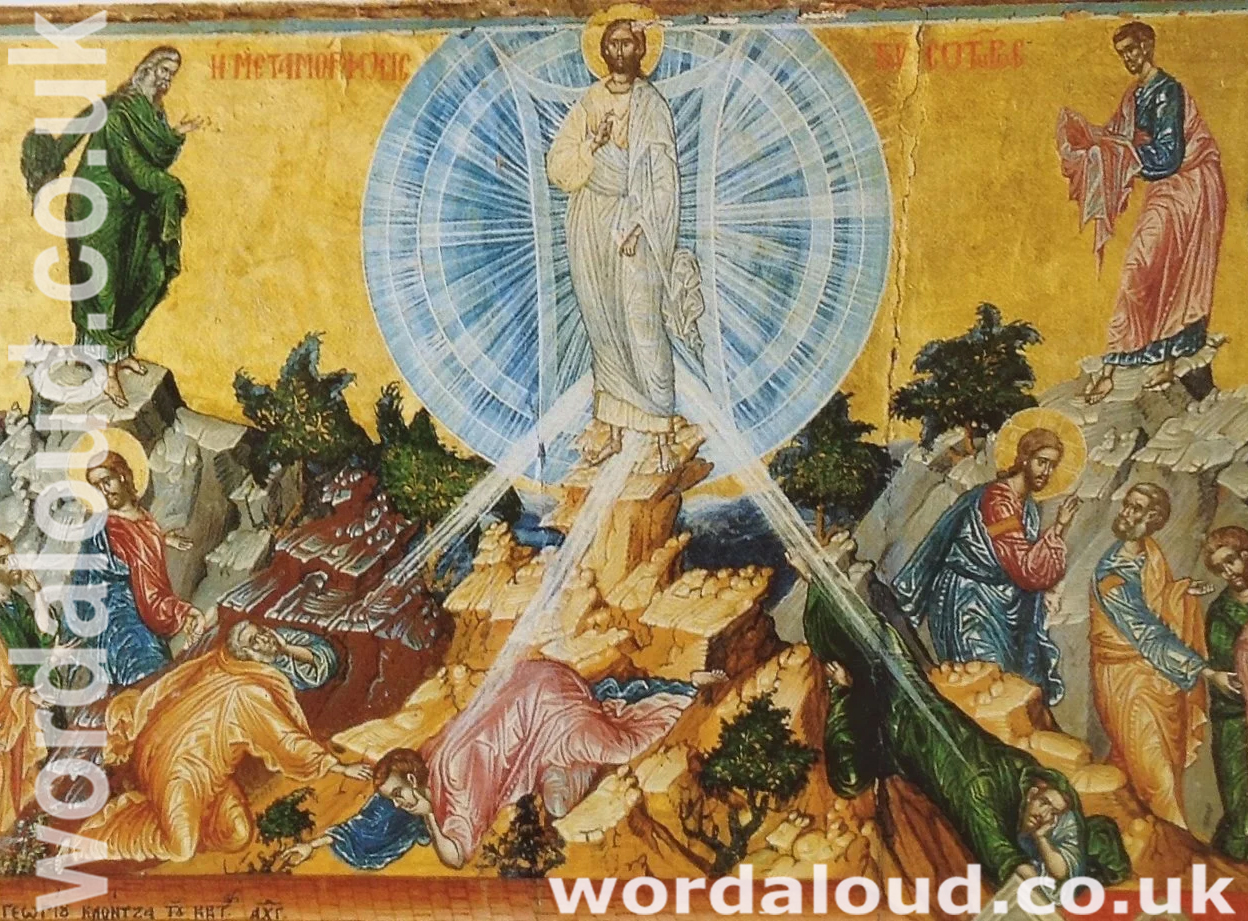
In this meditation, Baldwin of Canterbury reflects on the enduring biblical phrase ‘Love is as strong as death’ (Song of Songs 8:6), drawing a sharp and deliberate contrast between two forces — one that ends life, and one that restores it. Death, in Baldwin’s view, is not simply the end of physical existence, but the boundary that love refuses to accept. The passage reveals a deep confidence in Christ’s power not only to endure death but to reverse its finality [ … ]

This poem centres on themes of spiritual nourishment and intimate connection between the divine and the individual soul. The poem begins by contrasting superficial wealth, symbolized by ‘rich furniture’ and ‘a wedge of gold’, with the poet’s experience of spiritual fulfilment. Here, material objects hold no power to convey the divine presence. Instead, the poet emphasizes a more personal and humble approach: sustenance provided by Christ in the Eucharist, which enters into the poet ‘by the way of nourishment and strength’. This nourishment implies a steady, almost unseen influence that fills the body and soul, offering rest and inner strength while combating the forces of sin [ … ]
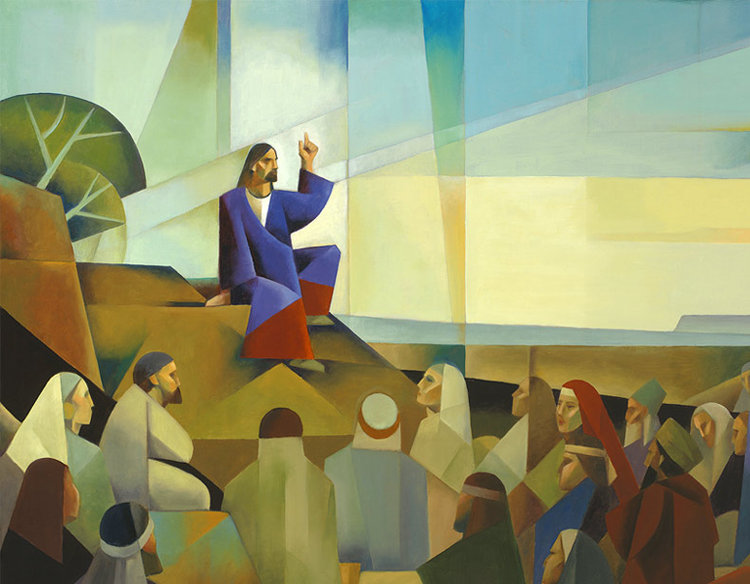
Through these verses of the Sermon on the Mount, Jesus directs us to consider and take to heart not the outward show of the Law, the behaviour which other people can see, but rather the inward spirit – our thoughts, our mind, the invisible part of ourselves, which is visible to ourselves and to God [ … ]