
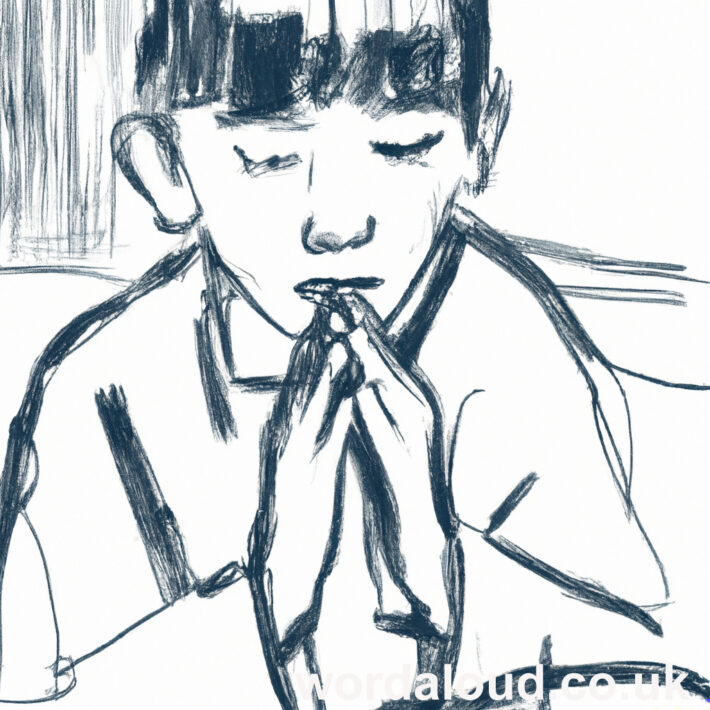
Christian Art | Prayer With Jesus | Psalms | Comfort And Assurance In God’s Presence | King David As A Boy | Audio KJV | King James Audio Bible
Psalm 63 | King James Audio Bible
YouTube: Psalm 63 | KJV | King James Version | Audio Bible | Word Aloud
Psalm 63 offers solace and inspiration to those who seek God’s presence, even in the midst of life’s trials. It serves as a reminder that our pursuit of the Divine should be unwavering, prioritizing our connection with God above all else. It acknowledges profound joy and spiritual fulfilment that come from seeking and experiencing God’s love and protection.
Verse 1: ‘O God, You are my God; Early will I seek You.’ This verse sets the tone for the psalm. It reflects urgency, an early and unwavering dedication to seeking God. It mirrors the idea that our spiritual journey should be a priority, something we eagerly pursue.
Verse 2: ‘So I have looked for You in the sanctuary, to see Your power and Your glory.’ This verse emphasizes importance of communal worship and experiencing God’s power and glory in the sanctuary. It reminds us that gathering with others in reverence can intensify our connection to the Divine.
Verse 3: ‘Because Your lovingkindness is better than life, my lips shall praise You.’ This verse acknowledges the superior value of God’s lovingkindness, a theme that resonates throughout the psalm. Recognition that God’s love surpasses all earthly treasures prompts heartfelt praise.
Verses 4-5: ‘Thus I will bless You while I live; I will lift up my hands in Your name. My soul shall be satisfied as with marrow and fatness, and my mouth shall praise You with joyful lips.’ These verses reveal a sense of completeness and contentment in the Divine presence. The act of blessing God, raising hands in worship, and the imagery of a satisfied soul convey a profound spiritual fulfilment.
Verses 6-8: ‘When I remember You on my bed, I meditate on You in the night watches. Because You have been my help, therefore in the shadow of Your wings, I will rejoice.’ The psalmist’s devotion to God does not wane even in solitude. In the stillness of the night, the psalmist’s thoughts are consumed by God. This signifies an unbreakable connection, even in moments of quiet reflection.
Verses 9-10: ‘But those who seek my life, to destroy it, shall go into the lower parts of the earth. They shall fall by the sword; they shall be a portion for jackals.’ While earlier verses focus on the beauty of God’s presence, these verses contain an acknowledgment of life’s challenges and adversaries. The psalmist’s trust in God’s protection and justice is unshaken.
Verses 11-12: ‘But the king shall rejoice in God; everyone who swears by Him shall glory; but the mouth of those who speak lies shall be stopped.’ The psalm concludes with a triumphant note, highlighting that those who place their trust in God will find cause for rejoicing, while falsehood and deceit will be silenced.

Psalm 63 | King James Audio Bible KJV | Love Revealed By Jesus Christ
O God, thou art my God; early will I seek thee: my soul thirsteth for thee, my flesh longeth for thee in a dry and thirsty land, where no water is;
To see thy power and thy glory, so as I have seen thee in the sanctuary.
Because thy lovingkindness is better than life, my lips shall praise thee.
Thus will I bless thee while I live: I will lift up my hands in thy name.
My soul shall be satisfied as with marrow and fatness, and my mouth shall praise thee with joyful lips:
When I remember thee upon my bed, and meditate on thee in the night watches.
Because thou hast been my help, therefore in the shadow of thy wings will I rejoice.
My soul followeth hard after thee: thy right hand upholdeth me.
But those that seek my soul, to destroy it, shall go into the lower parts of the earth.
They shall fall by the sword: they shall be a portion for foxes.
But the king shall rejoice in God; every one that sweareth by him shall glory: but the mouth of them that speak lies shall be stopped.
Key Themes Of The Psalm For Reflection | Love Revealed By Jesus Christ
- Deep Longing: The psalm expresses a profound yearning for God’s presence, symbolizing a deep spiritual longing.
- Urgency Of Seeking God: The psalmist demonstrates an early and unwavering dedication to seeking God, emphasizing the priority of the spiritual journey.
- Communal Worship: The sanctuary is highlighted as a place to experience God’s power and glory, underscoring the importance of communal worship.
- Superiority Of God’s Lovingkindness: The psalmist acknowledges that God’s lovingkindness is superior to all of life’s treasures, leading to heartfelt praise.
- Completeness In God’s Presence: The psalm conveys a sense of spiritual fulfilment and contentment in God’s presence, symbolized by blessings, raised hands, and a satisfied soul.
- Unbreakable Connection: Even in moments of solitude, the psalmist’s thoughts are consumed by God, reflecting an unbreakable connection to the Divine.
- Trust In God’s Protection And Justice: Life’s challenges and adversaries are acknowledged, yet the psalmist maintains unwavering trust in God’s protection and justice.
- Triumphant Faith: The psalm concludes with a note of triumph, emphasizing that those who trust in God will find cause for rejoicing, while falsehood and deceit will be silenced.



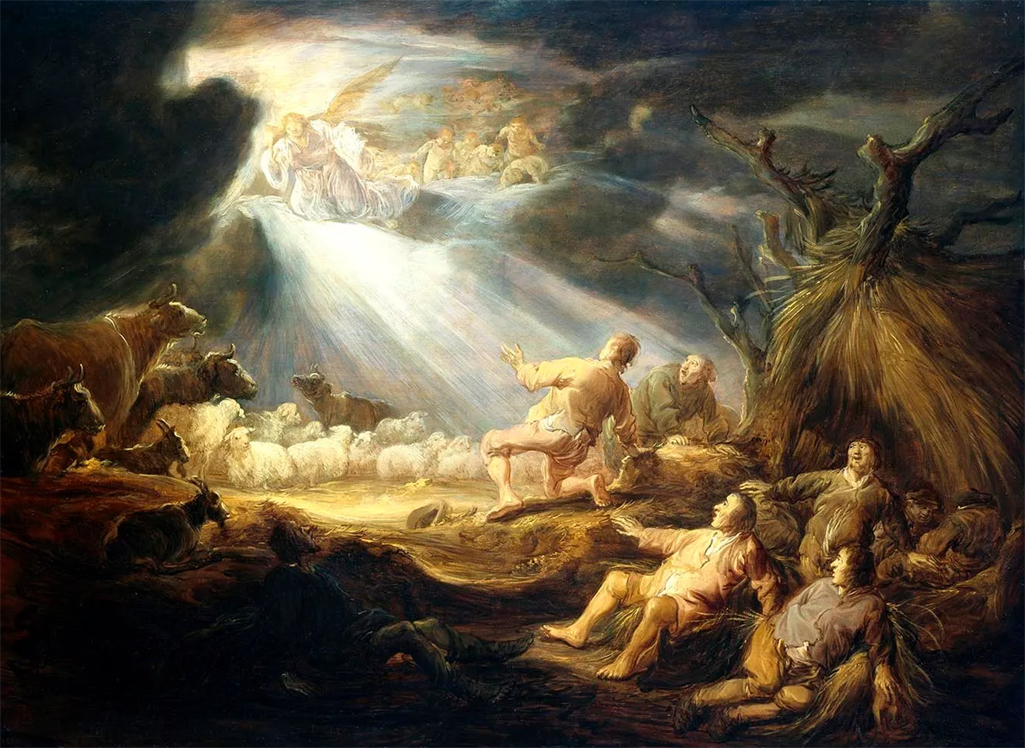
Jesus is born into what must have been, for Mary and Joseph, the most trying, indeed tedious, of circumstances. Who of us likes filling in a tax return? And we don’t usually have to travel to a different city to do so, let alone know that our taxes are dictated by a foreign and conquering power [ … ]
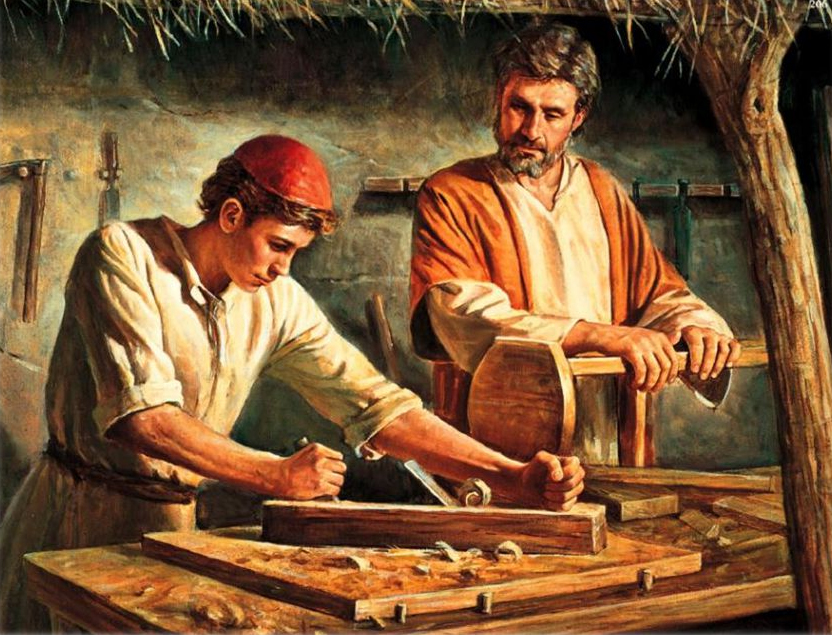
On Tuesday, His Grace turns to the theme of Jesus’ hidden years. His Grace asks the students to consider questions concerning what really happened: ‘Who, for instance, was Joseph? Was he indeed a carpenter, or has Joseph’s true role in the society in which he lived been misconstrued and forgotten to us? Though it be a beautiful, simplifying image to grasp, which offers to us much that is of value in Catholic faith… ‘A wise elder, which carpenter could mean, or a great engineer, an architekton, which in the Greek does not mean carpenter. But carpenter in the Hebrew could mean a wise man…’ His Grace turns the pages of his Bible back and forth, as if to itemize the paucity of information. Then he says: ‘What I think I can say to you with confidence is that it is of profound significance that we simply don’t know what Jesus was doing for most of his earthly life. There are some very different possibilities. One idea cherished by the Church is that Jesus worked with his father Joseph as a carpenter. Another possibility is that Jesus lived and prayed and studied closely with John the Baptist. They were cousins, and very close, almost the same, in age. Luke’s Gospel tells us clearly that Jesus and John knew each other from within the womb before they were born. So there may have been something quite important happening there. You see, we don’t know – it is an impossible mystery to us – just how much Jesus had to learn. This is because, if Jesus knew everything, humanly speaking, even as a tiny baby, then how can we say he is fully human? We simply can’t probe too far into this mystery, but we can draw extraordinary truth and healing from this thought, which becomes of immense relevance in our own lives. Jesus came to know and to understand himself not merely as a son of God, but as God the Son, and so as self-identical with his Father. It is not an adoptive relationship. Jesus is God. Now so much is hidden here. But this is a great gift. If you think about it, how do we come to know that we are loved by God, that we have our relationship with God? What are we born with in here’ – his chest – ‘and what do we have to learn? This is to say, what is gifted to us by other Christians at our baptism? ‘Jesus must have studied, and experienced profound revelation about who and what he truly was, and, so it seems to be, these studies cannot have been confined to the Semitic world. But this is the important point: there is a hiddenness about all of this. No matter which schools and which sects our Lord might have encountered all these years, this to us is as a desert space. What this means is that we can enter into the hidden life of Jesus, and there we can discover our own being with God, our own sonship. Our own particular being loved by God can come to us, if we can enter within this great unknown – into this desert space, where we are loved by Jesus. I firmly believe that there may be a great Lenten mystery in this period of our Lord’s life.’ A Bishop’s Lenten Homily | Extracted From The Gospel According To Tomàs | Faith And Hope And Love And Sexuality | Part 1 A Bishop’s Lenten Homily | Extracted From The Gospel According To Tomàs | Faith And Hope And Love And Sexuality | Part 2 A Bishop’s Lenten Homily | Extracted From The Gospel According To Tomàs | Faith And Hope And Love And Sexuality | Part 3 A Bishop’s Lenten Homily | Extracted From The Gospel According To Tomàs | Faith And Hope And Love And Sexuality | Part 4 | King James Audio Bible | KJV A Bishop’s Lenten Homily | Extracted From The Gospel According To Tomàs | Faith And Hope And Love And Sexuality | Part 5 A Bishop’s Lenten Homily | Holy Week | Extracted From The Gospel According To Tomàs | Faith And Hope And Love And Sexuality | Part 6
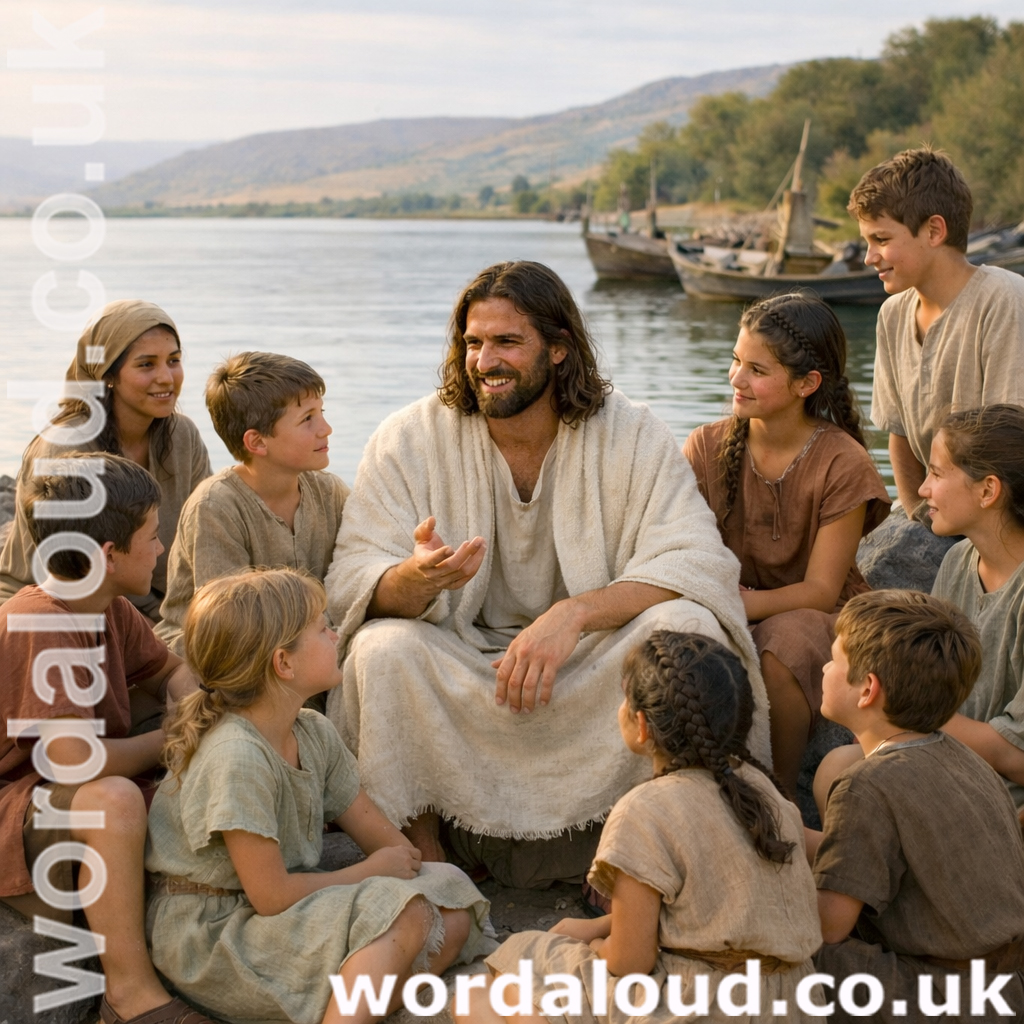
In this reading from the Longer Rules for Monks, Saint Basil the Great reflects on the origin of love for God and its place in the moral life. Basil’s starting point is significant: love of God is not presented as something imposed from outside or learned through instruction alone. Instead, Basil argues that the capacity to love God is already present within human nature [ … ]
