

Christian Art | Prayer With Jesus | Psalms | Prayer For Israel’s Restoration | King David As A Boy | Audio KJV | Love Revealed By Jesus Christ | King James Audio Bible
Psalm 80 | King James Audio Bible
YouTube: Psalm 80 | KJV | King James Version | Audio Bible | Word Aloud
Psalm 80 pleas for divine intervention and restoration, resonating with themes of lamentation and supplication. Addressed to the Shepherd of Israel, who leads His people as a flock, the psalmist beseeches God to shine forth and save God’s people from their distress. The psalm is a poignant reflection on the people’s perceived abandonment, a plea for mercy, and a fervent desire for God’s favour to be restored. As the psalmist yearns for divine presence, the overarching theme becomes a prayerful request for God to turn His countenance towards His people, reviving them with God’s saving grace.
The psalm commences with an earnest call to the Shepherd of Israel, a title that invokes images of guidance and care, akin to a shepherd leading and tending to a flock. The psalmist implores this divine Shepherd to shine forth, a metaphor for God’s radiant presence bringing light into the darkness of the people’s circumstances.
The urgency of the plea intensifies as the psalmist invokes the tribes of Ephraim, Benjamin, and Manasseh, urging God to stir up His strength and come to their rescue. The refrain ‘Turn us again, O God, and cause thy face to shine; and we shall be saved’ punctuates the psalm, emphasizing the central theme of seeking restoration through divine favour.
The psalmist reflects on the perceived anger of God and the affliction experienced by the people, likening their sustenance to tears and their interactions with neighbours to strife. The metaphor of a vine, symbolic of Israel, is introduced—a vine that God brought out of Egypt, planted, and nurtured. Yet, the vineyard is now portrayed as ravaged and burned, beseeching God to look down from heaven, visit, and revive what God’s right hand had planted.
The psalm concludes with a plea for God’s hand to be upon the ‘man of thy right hand’, likely a reference to a leader or ruler, asking for divine empowerment. The resolution expresses commitment to God, seeking God’s quickening power and vowing to call upon God’s name.

Psalm 80 | King James Audio Bible KJV | Love Revealed By Jesus Christ
Give ear, O Shepherd of Israel, thou that leadest Joseph like a flock; thou that dwellest between the cherubims, shine forth.
Before Ephraim and Benjamin and Manasseh stir up thy strength, and come and save us.
Turn us again, O God, and cause thy face to shine; and we shall be saved.
O Lord God of hosts, how long wilt thou be angry against the prayer of thy people?
Thou feedest them with the bread of tears, and givest them tears to drink in great measure.
Thou makest us a strife unto our neighbours: and our enemies laugh among themselves.
Turn us again, O God of hosts, and cause thy face to shine; and we shall be saved.
Thou hast brought a vine out of Egypt: thou hast cast out the heathen, and planted it.
Thou preparedst room before it, and didst cause it to take deep root, and it filled the land.
The hills were covered with the shadow of it, and the boughs thereof were like the goodly cedars.
She sent out her boughs unto the sea, and her branches unto the river.
Why hast thou then broken down her hedges, so that all they which pass by the way do pluck her?
The boar out of the wood doth waste it, and the wild beast of the field doth devour it.
Return, we beseech thee, O God of hosts: look down from heaven, and behold, and visit this vine;
And the vineyard which thy right hand hath planted, and the branch that thou madest strong for thyself.
It is burned with fire, it is cut down: they perish at the rebuke of thy countenance.
Let thy hand be upon the man of thy right hand, upon the son of man whom thou madest strong for thyself.
So will not we go back from thee: quicken us, and we will call upon thy name.
Turn us again, O Lord God of hosts, cause thy face to shine; and we shall be saved.
Key Themes Of The Psalm For Reflection | Love Revealed By Jesus Christ
- Divine Intervention And Restoration: The psalm is a heartfelt plea for God’s intervention and restoration, emphasizing need for divine favour to alleviate the distress of the people.
- Shepherd Of Israel: God is addressed as the Shepherd of Israel, evoking imagery of guidance, care, and leadership.
- Radiant Presence Of God: The metaphor of God’s face shining forth symbolizes the desire for God’s radiant presence to dispel the darkness surrounding the people.
- Urgent Appeal For Help: The psalmist urgently calls on God to stir up His strength and come to the rescue of the tribes of Ephraim, Benjamin, and Manasseh.
- Repeated Plea For Turning And Shining: The refrain ‘Turn us again, O God, and cause thy face to shine; and we shall be saved’ underscores the central theme of seeking divine turning and favour.
- Perceived Anger And Affliction: The psalmist reflects on the perceived anger of God and describes the people’s affliction, portraying their sustenance as tears and their interactions with neighbours as strife.
- Symbolism Of The Vine: The metaphor of the vine represents Israel—brought out of Egypt, planted, and nurtured by God. The vineyard’s ravaging and burning symbolize the desolation of the people.
- Beseeching God’s Visitation: There is a heartfelt plea for God to look down from heaven, visit the vine, and revive what God’s right hand had planted.
- Empowerment Of A Chosen Leader: The psalm concludes with a plea for God’s hand to be upon the ‘man of thy right hand’, signifying a leader or ruler chosen by God, seeking divine empowerment.
- Commitment To God And Calling On His Name: The resolution expresses a commitment to God, seeking God’s quickening power, and vowing to call upon God’s name.




This is an extraordinary scene. Many, many people are gathered with Jesus to hear his teaching, which is the Sermon on the Mount. The people will not all be friends; there will be different, sectarian groups, and rivalries between them. Some of those gathered to listen to Jesus will be suspicious of others. Nor can the people yet understand what is happening here, just who and what Jesus is. The people have flocked to – see someone, hear someone, someone new and extraordinary, someone perhaps who can answer their needs. Their coming to Jesus is an expression of hope and longing. Who knows what thoughts there must have been as people looked around to see all those others gathered. This is a vast company of strangers [ … ]

This reading from the Pastoral Constitution on the Church in the Modern World addresses the human concern with the subject of death. It approaches the subject not only as a biological event but as a spiritual and existential mystery that touches the deepest questions about meaning, identity, and destiny [ … ]
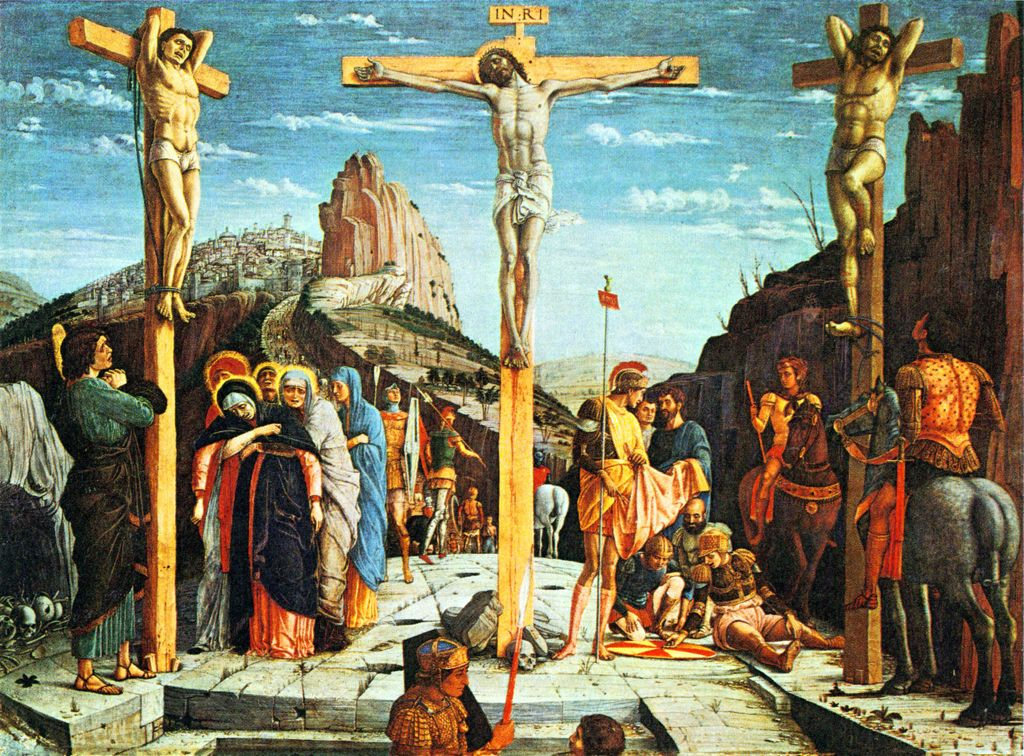
Theodoret presents the suffering and death of Jesus as a deliberate act of obedience, not a tragic accident. Jesus is shown moving purposefully towards his passion, fully aware of what the Scriptures foretold. He warns his disciples in advance, rebukes Peter for resisting the idea of his suffering, and openly identifies himself to those who come to arrest him. Unlike earlier occasions when Jesus avoided capture, this time Jesus refuses to hide or defend himself [ … ]
