
Thank you for choosing to get in touch.
This will boing back to the homepage by way of acknowledgement.



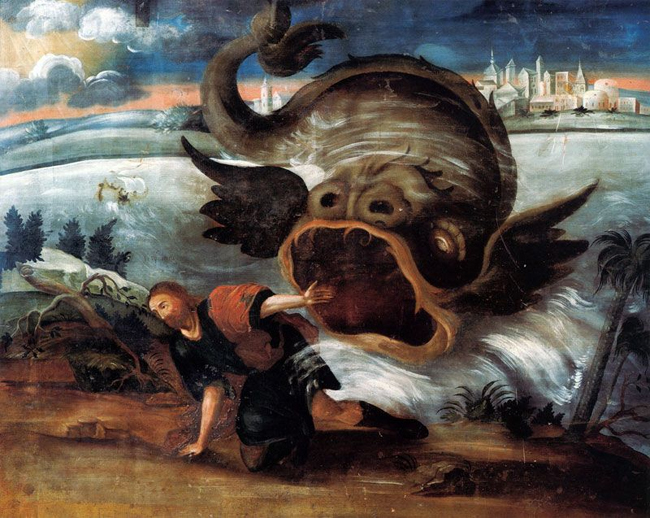
The crowds gather to see and to hear Jesus. Among them, as Matthew relates in his Gospel (Matthew 12: 38-42), are the scribes and Pharisees, who ask for a sign from Jesus to prove his divinity. Jesus refuses to confirm his preaching with dramatic signs. It is his teaching Jesus wishes the people to hear. Through seeking to taunt Jesus, and through their unbelief, the scribes and the Pharisees express the hardness of their hearts. Christ is present to them and they refuse to see. Christ is speaking to them and they refuse to hear. Through the Gospel, we have witnessed Christ’s miracles. And we are called to hear his word. ‘An evil and adulterous generation seeketh after a sign.’ [ … ]

The two miracles, which occur almost simultaneously in these Gospel verses, shed light upon one another, as Jesus brings two people back to their communities, the woman with the issue of blood, a haemorrhage, because this would render her impure and so outcast, and the girl from death. Two aspects of the Law regarding purity are juxtaposed, and with them sin and death [ … ]

Saint Gregory of Nyssa, a 4th-century Cappadocian Father and key architect of early Christian theology, offers in this Eastertide reading a profound and poetic meditation on the transformative power of the Resurrection. Rooted in the joy of Easter, the sermon explores the cosmic and personal implications of Christ’s rising from the dead. Gregory’s theology is deeply mystical, sacramental, and steeped in scriptural imagery, and this piece reveals the vast scope of the Christian vision of renewal [ … ]