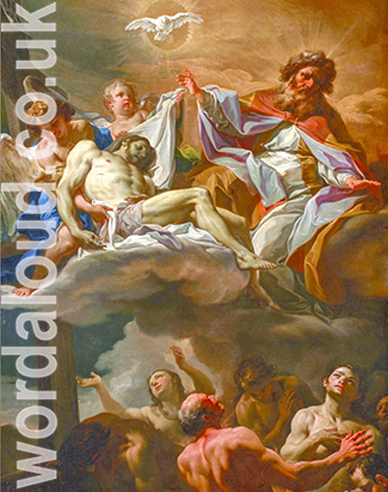
Christian Art | Prayer For All Souls In Purgatory | Jesus Christ Is King | Prayer For The Dead
Office Of Readings | Week 32, Monday, Ordinary Time | From A Treatise On Forgiveness By Saint Fulgentius Of Ruspe, Bishop | He Who Conquers Death Shall Not Be Hurt By The Second Death
‘He who conquers death shall not be heard by the second death.’
Saint Fulgentius reminds us that the great transformation of the resurrection begins now, in the hidden conversion of the heart. The ‘first resurrection’ is not merely an image but a real spiritual event: the passage from sin to grace, from darkness to light, from unbelief to faith. In this life, God works the first change within us — a change that prepares and guarantees the glorious change to come.
Fulgentius insists: no one can hope for the incorruptible body of the last day without first receiving the incorruptible heart God offers today. The resurrection of the body crowns the resurrection of the soul. Grace now begins what glory will complete.
This ‘first resurrection’ is not dramatic or visible, like graves opening and bodies rising; it is quieter, deeper, more interior. It is the daily death of sin and the daily rising of virtue. Whenever a heart turns from evil to good, whenever faith awakens, whenever a person abandons what destroys and embraces what is holy — resurrection has already begun.
And because this first resurrection is the work of grace, the ‘second death’ — the permanent loss of communion with God — cannot touch those who belong to Christ. The fearsome images of Revelation exist not to terrify, but to awaken desire, to spur repentance, to urge every soul toward the life Christ freely offers.
Fulgentius’ teaching invites us to hope, not dread. The Church does not simply wait for the last trumpet; she already hears within herself the faint beginning notes of resurrection. The glory to come is assured to those who let God begin His work in them today.
Let us, then, welcome this first resurrection — the rising of the heart — so that the second death has no claim on us, and the eternal life promised to the just may be ours.

From A Treatise On Forgiveness By Saint Fulgentius Of Ruspe, Bishop | He Who Conquers Death Shall Not Be Hurt By The Second Death
In a moment, in the twinkling of an eye as the final trumpet sounds, for the trumpet shall indeed sound, the dead shall rise incorruptible and we shall be changed. In saying ‘we’ Paul is indicating that the gift of that future change will also be given to those who during their time on earth are united to him and his companions by upright lives within the communion of the Church. He hints at the nature of the change when he says: This corruptible body must put on incorruptibility, this mortal body immortality. In order, then, that men may obtain the transformation which is the reward of the just, they must first undergo here on earth a change which is God’s free gift. Those who in this life have been changed from evil to good are promised that future change as a reward.
Through justification and the spiritual resurrection, grace now effects in them an initial change that is God’s gift. Later on, through the bodily resurrection, the transformation of the just will be brought to completion, and they will experience a perfect, abiding, unchangeable glorification. The purpose of this change wrought in them by the gifts of both justification and glorification is that they may abide in an eternal, changeless state of joy.
Here on earth they are changed by the first resurrection, in which they are enlightened and converted, thus passing from death to life, sinfulness to holiness, unbelief to faith, and evil actions to holy life. For this reason the second death has no power over them. It is of such men that the Book of Revelation says: Happy the man who shares in the first resurrection; over such as he the second death has no power. Elsewhere the same book says: He who overcomes shall not be harmed by the second death. As the first resurrection consists of the conversion of the heart, the second death consists of unending torment.
Let everyone, therefore, who does not wish to be condemned to the endless punishment of the second death now hasten to share in the first resurrection. For if any during this life are changed out of fear of God and pass from an evil life to a good one, they pass from death to life and later they shall be transformed from a shameful state to a glorious one.
Christian Prayer With Jesus Christ
Lord Jesus Christ,
You are the Resurrection and the Life.
Awaken within us the first resurrection —
the conversion of heart, the turning from sin,
the rising to faith, hope, and holiness.
Let your grace change us now,
that your glory may transform us then.
Free us from all that leads to death,
and strengthen within us all that belongs to life.
May we live each day
as those who await your coming with joy,
secure in your mercy, confident in your promise,
and eager to be changed into your likeness.
Who live and reign with the Father
in the unity of the Holy Spirit,
God, forever and ever. Amen.
Glossary Of Christian Terms
First Resurrection – The spiritual resurrection that happens in this life when a person is converted from sin to grace and becomes alive in Christ.
Second Death – The final and eternal separation from God after judgment; the ‘death’ that has no end.
Glorification – The final transformation of the body and soul at the resurrection, making the just incorruptible and radiant in God’s presence.
Justification – God’s free gift that makes a sinner righteous by forgiving sin and giving sanctifying grace.
Resurrection of the Body – The Christian belief that all the dead will rise bodily at the end of time, the just to eternal life and the wicked to judgment.
Conversion – The turning of the heart away from sin and toward God; the beginning of the ‘first resurrection.’
The Last Trumpet – Biblical imagery (1 Cor 15:52) referring to the moment of the final resurrection and judgment.
Eternal Life – Sharing forever in the life of God; the ultimate destiny of those united to Christ.



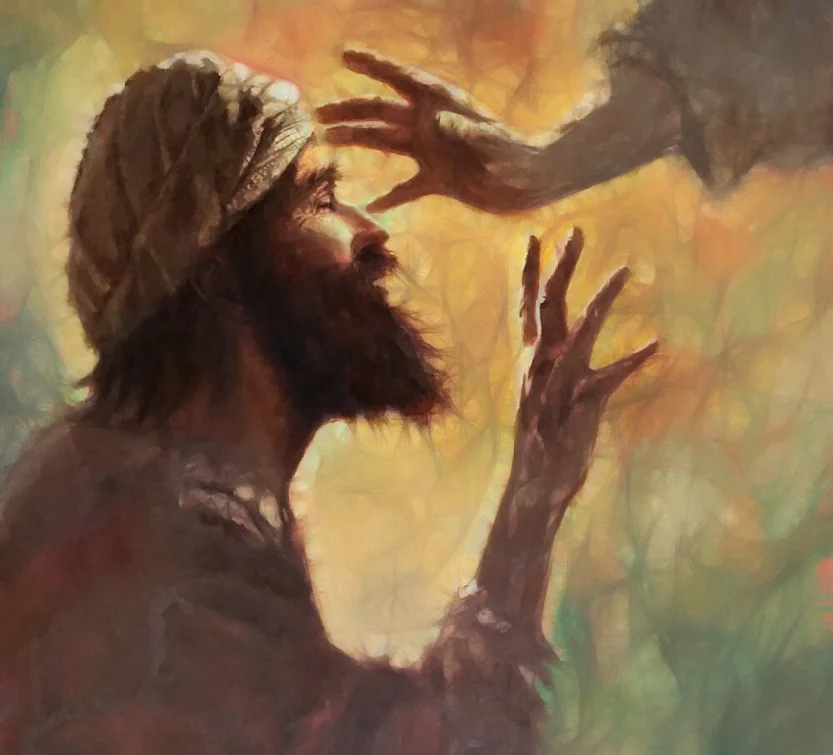
The blind man, Bartimaeus, hears the noise of Christ’s passing and has to ask to find out what is happening. The clamour of the crowds following Jesus must have been striking and intense. This is a great, jubilant procession. Christ is passing by and too he is leading the way for us [ … ]
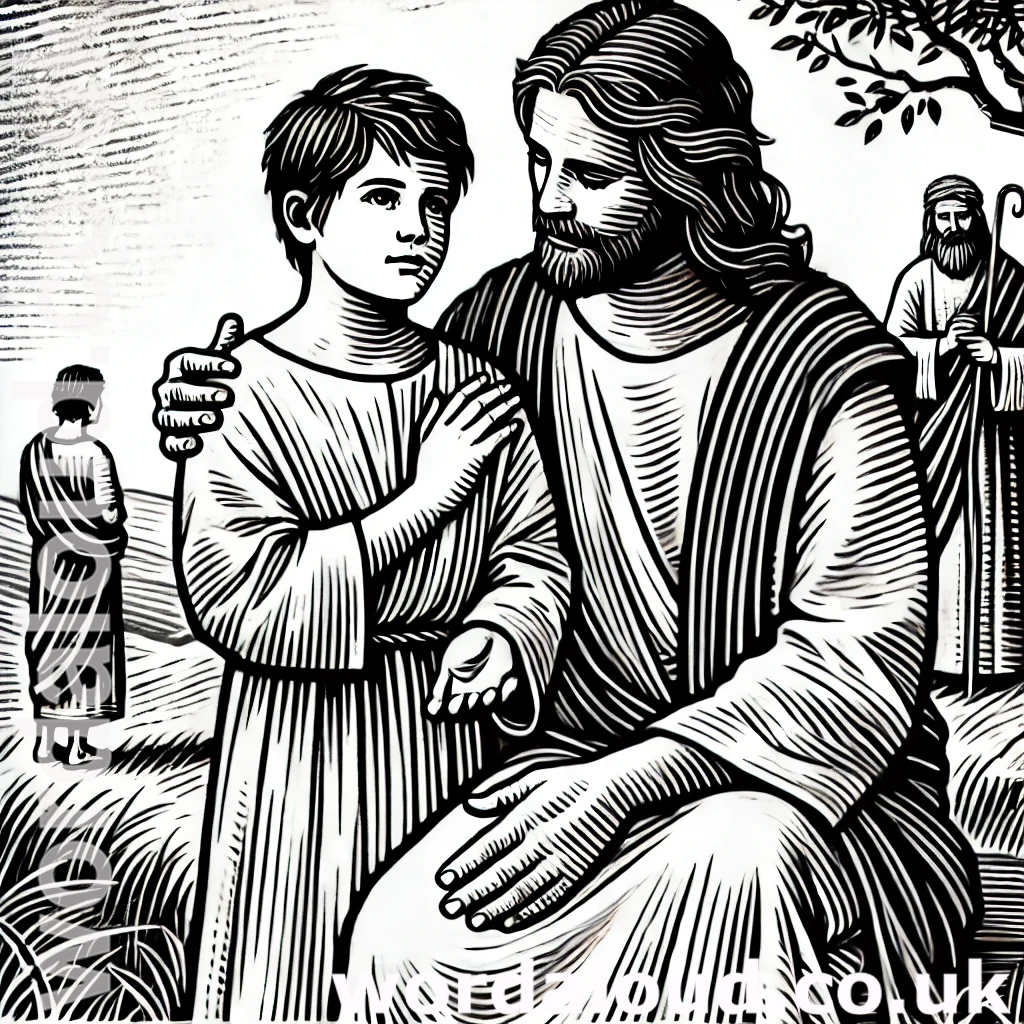
In this reading, Saint Augustine reflects on the two commandments on which, according to Christ, the whole of the Law and the prophets depend: love of God and love of neighbour. Augustine presents Christ as the teacher who brings these commandments into focus and shows their central place in the Christian life [ … ]

Heavenly Father, I come before you seeking renewal. My heart longs for a deeper connection with you and a refreshed commitment to living out your will. Transform my mind and spirit, that I may be conformed to your purposes rather than the patterns of this world. Fill me with your Holy Spirit, and guide me in your truth. Renew my passion for your Word and my dedication to following Jesus. Thank you for your unending grace and mercy. In Jesus’ name, I pray. Amen [ … ]