
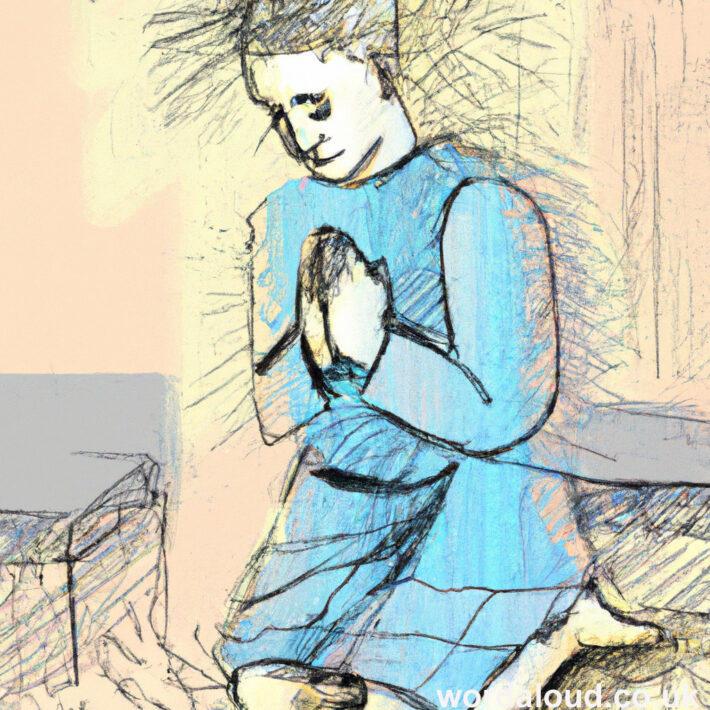
Christian Art | Prayer With Jesus | Psalms KJV | God’s Rule Over The Nations | King David As A Boy | King James Audio Bible | Pray The Psalms
Psalm 47 | King James Audio Bible
YouTube: Psalm 47 | KJV | King James Version | Audio Bible | Word Aloud
Psalm 47 is a joyful song of praise and celebration. The psalm exalts sovereignty of God as supreme King over all the earth and calls on all people to join in the triumphant chorus of worship. This psalm encapsulates themes of reverence, the universal rule of God, and the exuberant expression of devotion to the Divine.
A Call to Praise: The psalm opens with an invitation for all people to clap their hands and shout with triumphant voices to God. This energetic call to worship sets the tone for the psalm’s exuberant celebration.
The Terrible Majesty of God: Verse 2 of the psalm portrays the Lord as ‘terrible’ in His majesty, signifying God’s awe-inspiring greatness and holiness. God is acknowledged as the ultimate King whose authority extends over the entire earth.
Subjugation of Nations: Verse 3 speaks of God’s power to subdue nations and peoples, placing them under the dominion of God’s chosen people. It suggests God’s role in shaping the destiny of nations.
God’s Choice and Love: Verse 4 touches on God’s act of choosing the inheritance of His people and His love for Jacob. This reference to God’s favour underscores the special relationship between God and His chosen people.
The Ascension of God: Verse 5 portrays a vivid image of God ascending with a shout and the sound of a trumpet. This ascent signifies God’s triumphant rule and authority over all.
A Call to Sing Praises: Verses 6 and 7 urge the assembly to sing praises to God, emphasizing both the duty and the privilege of worshiping the King. Singing praises to God with understanding signifies heartfelt devotion and comprehension of His greatness.
The Universal Kingship of God: Verse 7 reiterates a central theme of the psalm: God’s sovereignty over all the earth. It emphasizes that God is not merely the King of one nation but is the ruler of the entire world.
God’s Exaltation: The psalm closes by recognizing God’s exalted status. It highlights the gathering of the princes and peoples under the banner of the God of Abraham, acknowledging that the shields of the Earth belong to God. This declaration underscores God’s supreme authority and elevated position.

Psalm 46 | King James Audio Bible KJV | Love Revealed By Jesus Christ
O clap your hands, all ye people; shout unto God with the voice of triumph.
For the Lord most high is terrible; he is a great King over all the earth.
He shall subdue the people under us, and the nations under our feet.
He shall choose our inheritance for us, the excellency of Jacob whom he loved. Selah.
God is gone up with a shout, the Lord with the sound of a trumpet.
Sing praises to God, sing praises: sing praises unto our King, sing praises.
For God is the King of all the earth: sing ye praises with understanding.
God reigneth over the heathen: God sitteth upon the throne of his holiness.
The princes of the people are gathered together, even the people of the God of Abraham: for the shields of the earth belong unto God: he is greatly exalted.
Key Themes Of The Psalm For Reflection | Love Revealed By Jesus Christ
- Celebration of God’s Sovereignty: Psalm 47 is a jubilant celebration of God’s supreme rule and authority over the entire world.
- Invitation to Praise: The psalm begins with an enthusiastic call for all people to join in praising and worshiping God.
- God’s Terrible Majesty: The psalm acknowledges God’s awe-inspiring and majestic presence, describing Him as ‘terrible’ in His greatness and holiness.
- Subjugation of Nations: The psalm highlights God’s power to subdue nations and peoples, placing them under His divine authority.
- God’s Chosen People: The psalm mentions God’s choice of an inheritance and His love for Jacob, emphasizing the special relationship between God and His chosen people.
- The Ascension of God: Psalm 47 vividly describes God’s ascension with shouts of triumph and the sound of a trumpet, symbolizing His victorious rule.
- Call to Sing Praises: The psalm urges people to sing praises to God with understanding, signifying heartfelt devotion and comprehension of His greatness.
- Universal Kingship of God: The psalm emphasizes that God is not just the King of one nation but the ruler of the entire world, highlighting His universal authority.
- God’s Exalted Status: The psalm closes by recognizing God’s exalted position and authority, emphasizing His supreme status as the God of Abraham and the ultimate ruler.




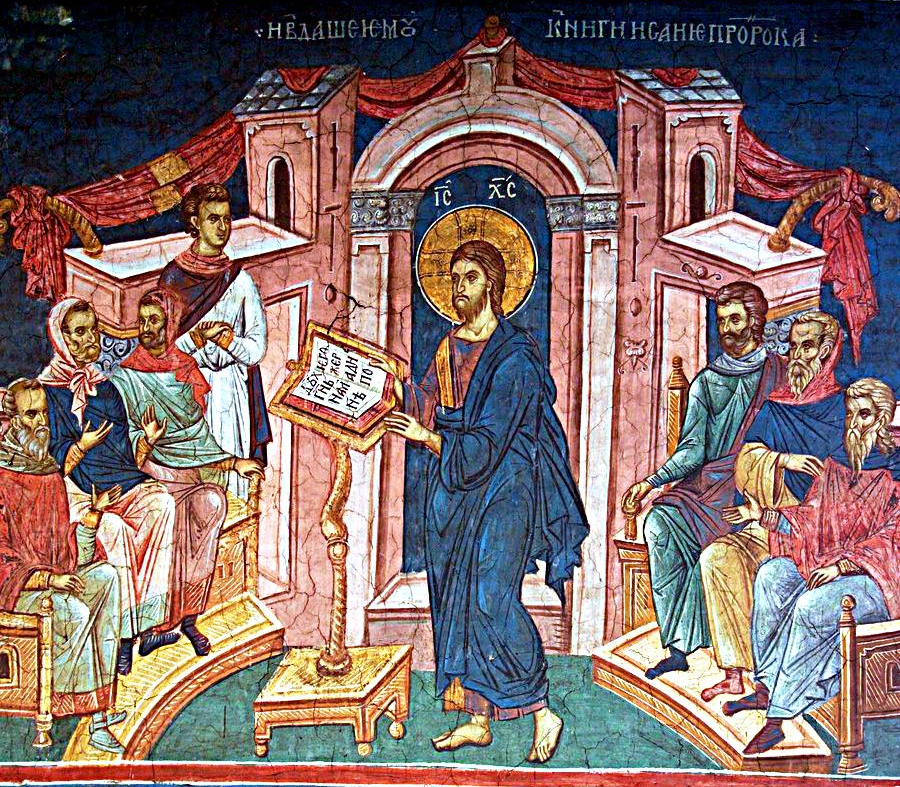
On the Sabbath, the day of rest and prayer, the Jews would gather in synagogues to recite the Shema and the eighteen blessings, which would be followed by readings from the Book of the Law, the Pentateuch, and from the Prophets. In today’s Gospel verses, Jesus has returned home to Nazareth, where, in the synagogue, he volunteers to read [ … ]
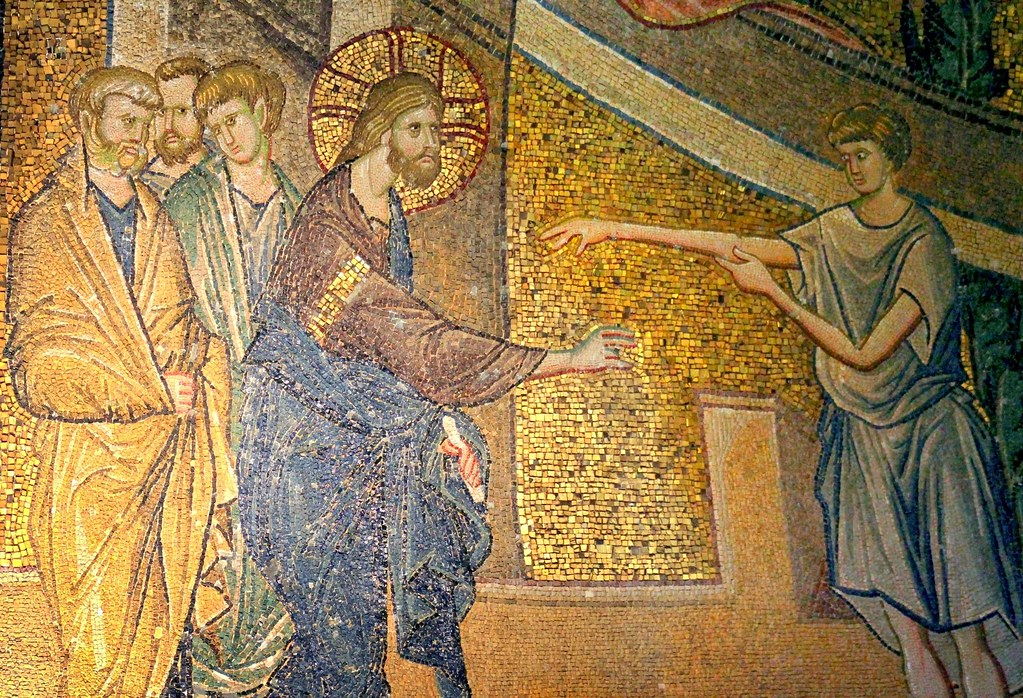
Today’s Gospel reading continues to centre upon the debates about the Sabbath, in which Jesus and the Pharisees are involved. While the Pharisees watch Jesus, to see how he might violate the Law, Jesus does not shy away from the healing and redemptive opportunity. Indeed, to challenge the Pharisees in this way is in itself a restorative, a salvific, act. Jesus asks us to consider God’s commandments in the knowledge that God is love. Here is an inmost truth of our relationship with God [ … ]

Through these Bible verses, Jesus concludes his Priestly Prayer before his disciples. Through his prayer to his Father, Jesus is also saying goodbye to the disciples. He is about to endure his Passion. These words are Jesus’ last testament before he is glorified. Jesus has asked for the Father’s guidance and help for the disciples. They are called to be united in faith as they preach the Gospel and endure the hardships and hostility of the world. Now Jesus extends his prayer to include all Christians to come [ … ]
