
Christian Art | George Herbert | The Temple | The Church | Virtue
George Herbert | The Temple | The Church | Virtue
Sweet day, so cool, so calm, so bright,
The bridall of the earth and skie:
The dew shall weep thy fall to night;
For thou must die.
Sweet rose, whose hue angrie and brave
Bids the rash gazer wipe his eye:
Thy root is ever in its grave,
And thou must die.
Sweet spring, full of sweet dayes and roses,
A box where sweets compacted lie;
My musick shows ye have your closes,
And all must die.
Onely a sweet and vertuous soul,
Like season’d timber, never gives;
But though the whole world turn to coal,
Then chiefly lives.


George Herbert | The Temple | The Church | Virtue
George Herbert’s ‘Virtue’ explores themes of mortality, impermanence, and spiritual endurance through a sequence of images drawn from the natural world. The poem juxtaposes transient beauty of nature with the enduring nature of a virtuous soul, reflecting a theological worldview centred on the Christian understanding of eternal life.
The poem is structured into four stanzas, each with a similar pattern of imagery and reflection. In the first three stanzas, Herbert offers symbols of temporal beauty—a day, a rose, and spring—and contrasts such beauty with inevitable demise. The fourth stanza shifts the focus to the virtuous soul, presenting this as the only entity capable of transcending mortality. This progression mirrors a spiritual journey from an acknowledgment of the fleeting nature of worldly things to an affirmation of the soul’s alignment with eternity.
The first stanza describes the day as ‘so cool, so calm, so bright’, emphasizing harmony and balance. The day is likened to ‘the bridall of the earth and skie’, an image suggesting unity and perfection. However, this celebration is interrupted by the refrain, ‘For thou must die,’ underscoring the inevitability of the day’s end. The mention of ‘dew’ weeping at nightfall introduces a sense of quiet mourning, reminding the reader of the fragility of all earthly experiences.
In the second stanza, Herbert turns to the rose, a symbol of beauty and vitality. The rose’s ‘hue, angrie and brave’ conveys its striking and commanding presence. Yet the assertion that ‘thy root is ever in its grave’ reveals the paradox of life and death coexisting. The rose’s beauty is fleeting, bound to the impermanence of its physical existence. Its appeal, like that of the day, is undercut by its mortality.
The third stanza expands the focus to spring, a season associated with renewal and abundance. Spring is described as ‘full of sweet dayes and roses’, a collection of delights compacted into a single ‘box’. Despite this richness, Herbert observes that even spring ‘hath its closes’, a term from music that signifies resolution or ending. The stanza reinforces the idea that even the most bountiful and joyful periods are finite, subject to the passage of time.
The final stanza introduces the virtues of the soul, presenting a contrast to the impermanence of nature. The virtuous soul is likened to ‘season’d timber’, a material that does not decay or weaken. Unlike the day, the rose, or spring, the soul endures beyond the destruction of the physical world. Herbert asserts that ‘though the whole world turn to coal’, the soul not only persists but ‘chiefly lives’. This suggests a spiritual resilience that aligns the soul with eternal life, transcending the limitations of earthly existence.
Herbert’s use of repetition, particularly the refrain ‘and thou must die’, reinforces the inevitability of mortality while creating a rhythm that ties the stanzas together. The repetition also prepares the reader for the poem’s resolution, in which the focus shifts from the transient to the eternal. The progression from temporal beauty to spiritual endurance reflects the Christian journey toward salvation, emphasizing lasting value of virtue over fleeting pleasures.
‘Virtue’ reflects a theological perspective on life and death. The poem invites the reader to contemplate the fleeting nature of worldly beauty while affirming the enduring power of the virtuous soul, grounded in its connection to the divine.


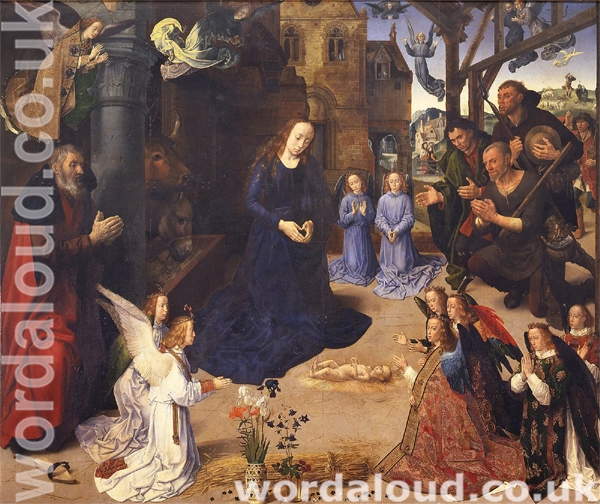
Saint Augustine continues his reflection on prayer, turning from its inner meaning to its outward rhythm and practice. Desire for God, he says, must be maintained through regular acts of prayer, for human attention is fragile. Involvement in daily affairs dulls the spiritual focus, and unless desire is repeatedly stirred, it fades into indifference. Prayer at appointed times therefore serves not to inform God but to recall the praying person to the direction of that desire [ … ]
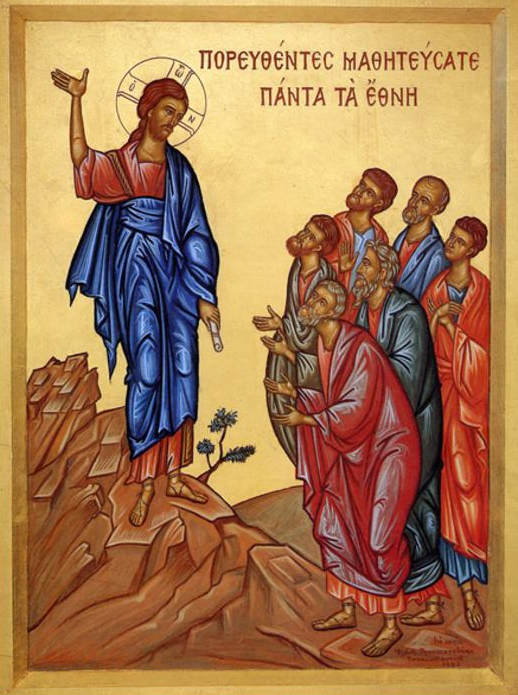
Matthew’s account of the Sermon on the Mount has been related through the whole of chapters five, six and seven of his Gospel. Jesus concludes his teachings with today’s Bible verses, which carry both a promise and a warning. Commencing with the Beatitudes, Jesus’ Sermon on the Mount has presented to the people, toward the start of his ministry, a most beautiful, transformative understanding of God’s call to us to be with Him and to live according to the real, inner truth of the law [ … ]
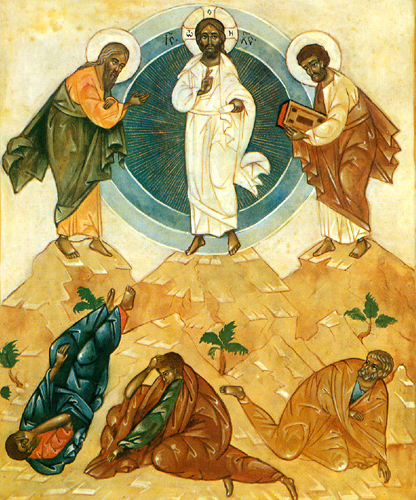
As they travel on the way to Jerusalem, Jesus throws his disciples into confusion by telling them about the suffering and death he must undergo. The disciples simply do not understand. For centuries, the Jews have awaited the coming of the Messiah, whom they envisaged as a glorious warrior king, not as one who would suffer and die the most ignominious of deaths, on a cross, of all things. A person condemned to die on a cross could not be the Messiah; rather, according to the Old Law, he had to be “cursed by God” (Deuteronomy 21: 22-23). The disciples cannot see the divine plan for our salvation, while the command for all who would be saved to ‘take up his cross and follow me’ must have seemed both strange and terrifying. To reassure his disciples, Jesus allows them to witness his glorious body through the transfiguration [ … ]