

Christian Art | Prayer With Jesus | Psalms | Plea For Mercy For Jerusalem | King David As A Boy | Audio KJV | Love Revealed By Jesus Christ | King James Audio Bible
Psalm 79 | King James Audio Bible
YouTube | Psalm 79 | KJV | King James Version | Audio Bible | Word Aloud
Psalm 79 expresses anguish of the psalmist as he contemplates the desolation of Jerusalem, the defilement of the holy temple, and the persecution of God’s people by heathen nations. The psalm unfolds as a fervent plea for God’s intervention, justice, and mercy in the face of profound suffering and reproach. As the psalmist wrestles with a depth of despair, the overarching theme is a desperate cry for restoration and deliverance.
The psalm begins with a stark depiction of the dire situation—the heathen have invaded God’s inheritance, defiled the holy temple, and left Jerusalem in ruins. The cruelty extends to the dead bodies of God’s servants, left as food for birds and beasts, and their blood spilled without proper burial, adding to the reproach endured by the people.
In the midst of this desolation, the psalmist cries out to God, questioning the duration of His anger and the intensity of His jealousy. There’s a plea for divine wrath to be poured out on the heathen who have not known God, particularly those who have devoured Jacob and laid waste to his dwelling place.
The psalmist acknowledges the collective guilt of the people, appealing to God’s mercy to intervene and forgive. The plea is not merely for personal deliverance but for the glory of God’s name and the reputation of God’s people.
The psalmist anticipates the question of the heathen, challenging the apparent absence of God’s intervention. There’s a specific plea for the avenging of the shed blood of God’s servants to make God’s presence known among the nations.
Amidst the sorrow, the psalmist intercedes for those who are suffering, asking for the preservation of those appointed to die and the sighs of the prisoners to reach God’s ears.
The psalm concludes with a resolution to give thanks and praise to God for His deliverance. The commitment to thanksgiving extends beyond the immediate crisis, echoing a faith that endures through generations.

Psalm 78 | King James Audio Bible KJV | Love Revealed By Jesus Christ
O God, the heathen are come into thine inheritance; thy holy temple have they defiled; they have laid Jerusalem on heaps.
The dead bodies of thy servants have they given to be meat unto the fowls of the heaven, the flesh of thy saints unto the beasts of the earth.
Their blood have they shed like water round about Jerusalem, and there was none to bury them.
We are become a reproach to our neighbours, a scorn and derision to them that are round about us.
How long, Lord? wilt thou be angry for ever? shall thy jealousy burn like fire?
Pour out thy wrath upon the heathen that have not known thee, and upon the kingdoms that have not called upon thy name.
For they have devoured Jacob and laid waste his dwelling place.
O remember not against us former iniquities: let thy tender mercies speedily prevent us: for we are brought very low.
Help us, O God of our salvation, for the glory of thy name: and deliver us, and purge away our sins, for thy name’s sake.
Wherefore should the heathen say, Where is their God? let him be known among the heathen in our sight by the revenging of the blood of thy servants which is shed.
Let the sighing of the prisoner come before thee; according to the greatness of thy power preserve thou those that are appointed to die;
And render unto our neighbours sevenfold into their bosom their reproach, wherewith they have reproached thee, O Lord.
So we thy people and sheep of thy pasture will give thee thanks for ever: we will shew forth thy praise to all generations.
Key Themes Of The Psalm For Reflection | Love Revealed By Jesus Christ
- Desolation And Defilement: The psalm vividly portrays the desolation of Jerusalem and the defilement of the holy temple by heathen nations.
- Persecution And Reproach: God’s people face persecution and reproach from their neighbors, becoming a scorn and derision.
- Desperate Plea For Intervention: An overarching theme is a desperate cry for God’s intervention, justice, and mercy in the face of profound suffering.
- Duration Of God’s Anger: The psalmist questions the duration of God’s anger and the burning intensity of His jealousy.
- Divine Wrath And Justice: There is a plea for divine wrath to be poured out on the heathen who have invaded and laid waste to the land.
- Collective Guilt And Mercy: The psalmist acknowledges the collective guilt of the people, pleading for God’s mercy and forgiveness.
- Glory Of God’s Name: The plea for deliverance is not just for personal reasons but for the glory of God’s name.
- Question Of God’s Presence: Anticipation of the question by the heathen regarding the apparent absence of God’s intervention.
- Avenging Of Shed Blood: A specific plea for the avenging of the shed blood of God’s servants to make His presence known among the nations.
- Intercession For The Suffering: The psalmist intercedes for those suffering, asking for the preservation of those appointed to die and the attention to the sighs of prisoners.
- Commitment To Thanksgiving: Despite the current crisis, the psalm concludes with a commitment to giving thanks and praise to God for His deliverance, extending beyond the immediate circumstances.




Saint Augustine begins with what he calls ‘our glory’: the witness of our conscience. Here he draws on Pauline language (2 Corinthians 1:12) to highlight that true moral integrity does not depend on the shifting opinions of others, but on the sincere alignment of heart and action with God’s will. Conscience for Augustine is not a modern autonomous faculty but a God-given echo of divine law, written into the human heart (cf. Confessions X.1.1). It is not infallible — but it is the site of deepest accountability [ … ]
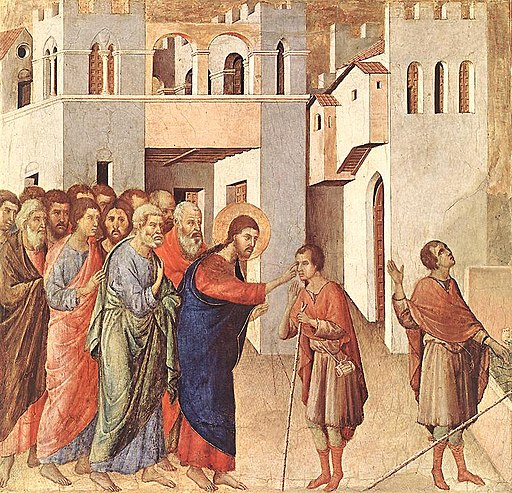
Mark has shown Jesus earlier (Mark 7: 32-33) using the sign of the laying on of hands as part of the miracle of healing. Normally when Jesus heals, the healing is instant. With the blind man at Bethsaida this is not the case. The healing is more gradual, passing through stages before being complete [ … ]
In this reading, Saint Fulgentius of Ruspe reflects on the meaning of Christian prayer and its foundation in the priestly work of Christ. His focus is on why the Church consistently prays to the Father through Jesus Christ, and how this practice expresses central truths about the Incarnation and the Trinity [ … ]