Christian Art | Prayer With Jesus | Psalms | Impotence Of Idols And Greatness Of God | King David As A Boy | Audio KJV | Love Revealed By Jesus Christ | King James Audio Bible
Psalm 115 | King James Audio Bible
YouTube | Psalm 115 KJV| King James Audio Bible
Psalm 115 in the King James Version (KJV) of the Bible presents a narrative that contrasts the living God of Israel with lifeless pagan idols. This psalm is part of the ‘Egyptian Hallel’ group, typically read during Passover, and reflects a time when the Israelites, despite facing mockery from neighboring peoples, reaffirm their faith in God.
The opening verse, ‘Not unto us, O LORD, not unto us, but unto thy name give glory,’ expresses a renunciation of personal glory in favor of glorifying God, emphasizing God’s mercy and truth. This theme of directing praise and glory to God sets the stage for the entire psalm.
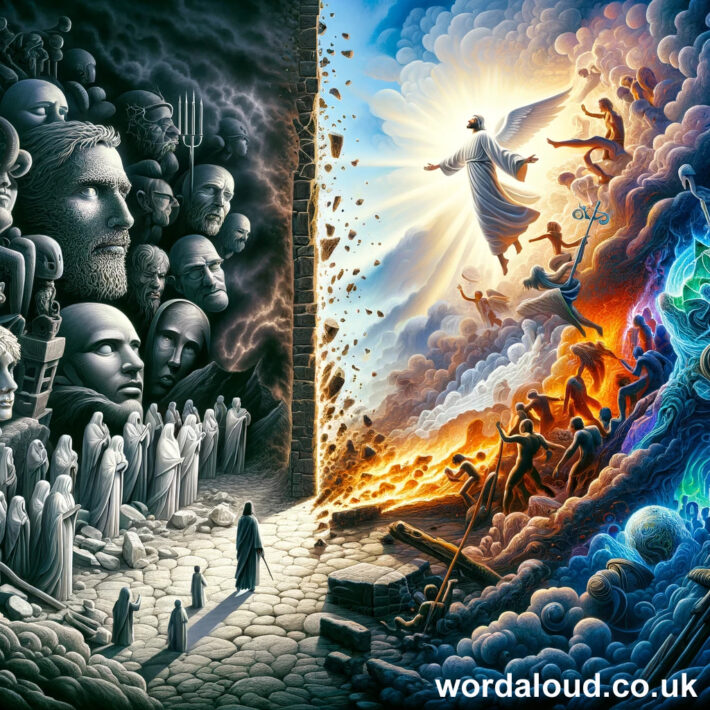
The psalm addresses the futility of idol worship, describing idols as lifeless creations of human hands, lacking senses or abilities. This portrayal serves to emphasize absurdity of idol worship and contrasts with belief in the living, active God. The critique extends to the idol worshippers, suggesting that they become like the idols they worship – lacking spiritual discernment and power.
The middle verses call on different groups within the Israelite community – the nation, the house of Aaron, and all who fear the Lord – to trust in God as their help and shield. This refrain highlights the communal aspect of faith and trust in God. The psalm reassures that God will bless these groups, emphasizing inclusivity and the promise of protection and aid from God.
In concluding verses, the psalm emphasizes God’s sovereignty over heaven and earth. The psalm also touches on the theme of mortality, suggesting that it is the duty of the living to praise God, as the dead cannot. This conclusion implies an ongoing commitment to worship and acknowledgment of God’s dominion
See also these external sources:
- Matthew Henry Commentary on Psalm 115
- King James Version Bible Commentary on Psalm 115
- United Church of God Commentary on Psalm 115.
Psalm 115 | King James Audio Bible
Not unto us, O LORD, not unto us, but unto thy name give glory, for thy mercy, and for thy truth’s sake.
Wherefore should the heathen say, Where is now their God?
But our God is in the heavens: he hath done whatsoever he hath pleased.
Their idols are silver and gold, the work of men’s hands.
They have mouths, but they speak not: eyes have they, but they see not:
They have ears, but they hear not: noses have they, but they smell not:
They have hands, but they handle not: feet have they, but they walk not: neither speak they through their throat.
They that make them are like unto them; so is every one that trusteth in them.
O Israel, trust thou in the LORD: he is their help and their shield.
O house of Aaron, trust in the LORD: he is their help and their shield.
Ye that fear the LORD, trust in the LORD: he is their help and their shield.
The LORD hath been mindful of us: he will bless us; he will bless the house of Israel; he will bless the house of Aaron.
He will bless them that fear the LORD, both small and great.
The LORD shall increase you more and more, you and your children.
Ye are blessed of the LORD which made heaven and earth.
The heaven, even the heavens, are the LORD’s: but the earth hath he given to the children of men.
The dead praise not the LORD, neither any that go down into silence.
But we will bless the LORD from this time forth and for evermore. Praise the LORD.


Psalm 115 | King James Audio Bible
- Divine Glory vs. Human Glory: The psalm emphasizes that glory should be given to God, not to humans, underscoring God’s mercy and truth.
- Futility Of Idolatry: The psalm critiques idol worship, portraying idols as lifeless and contrasting them with the living God.
- Trust In God: The psalm encourages various groups within the community to trust in God for help and protection.
- Blessings From God: The psalm promises blessings to those who fear the Lord, emphasizing God’s role as a provider and protector.
- God’s Sovereignty: The psalm concludes by affirming God’s sovereignty over heaven and earth.
- Mortality And Worship: The psalm touches on the theme of mortality, suggesting that praising God is the duty of the living.


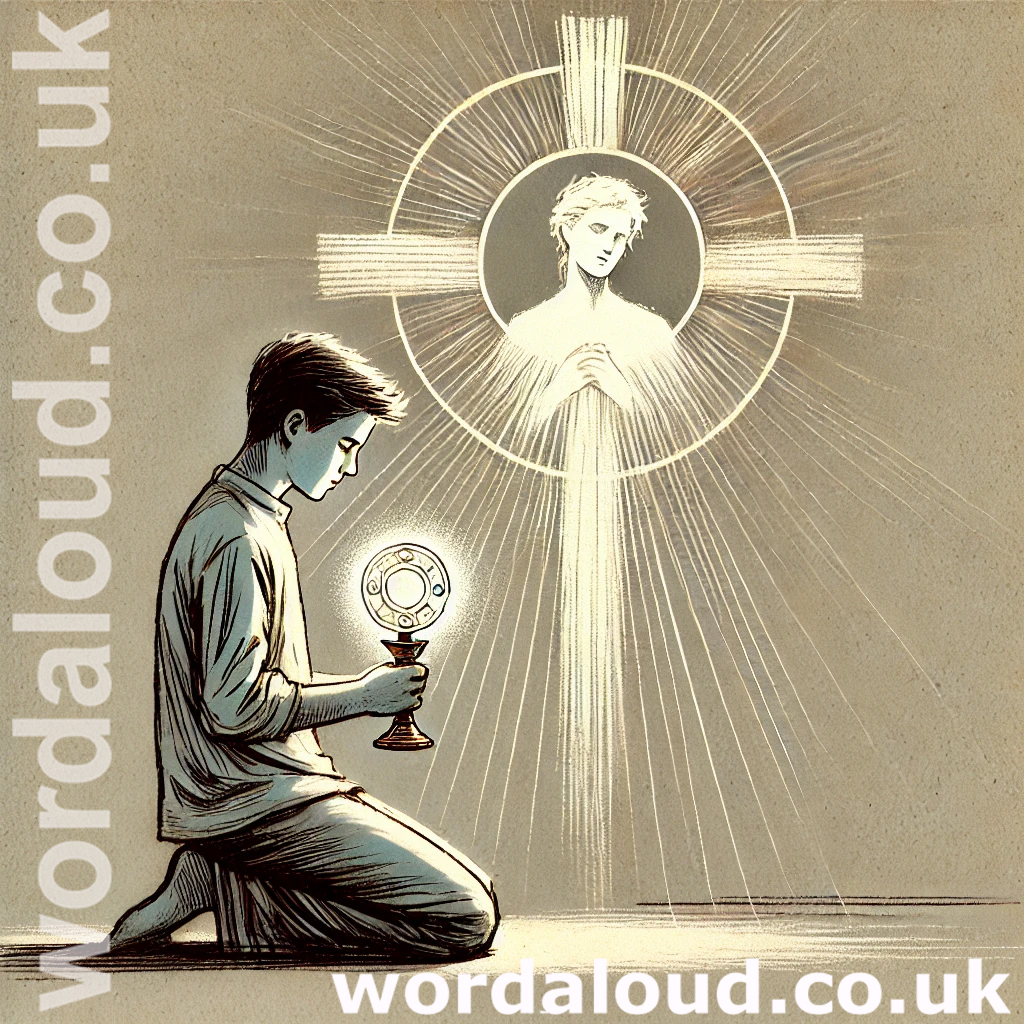
Saint Cyril of Alexandria (c. 376–444), Patriarch of Alexandria and central figure in early Christological controversies, here articulates a robust theology of redemption grounded in the Incarnation and its sacramental outworking. Writing in the context of his conflict with Nestorius and the doctrinal developments that led to the Council of Ephesus (431), Cyril is concerned above all with affirming the unity of Christ’s divine and human natures, and the salvific power of that union. This excerpt reflects his mature theological vision, especially his emphasis on the death of Christ as the decisive means of defeating death and giving life to humanity through participation in his now-glorified body [ … ]
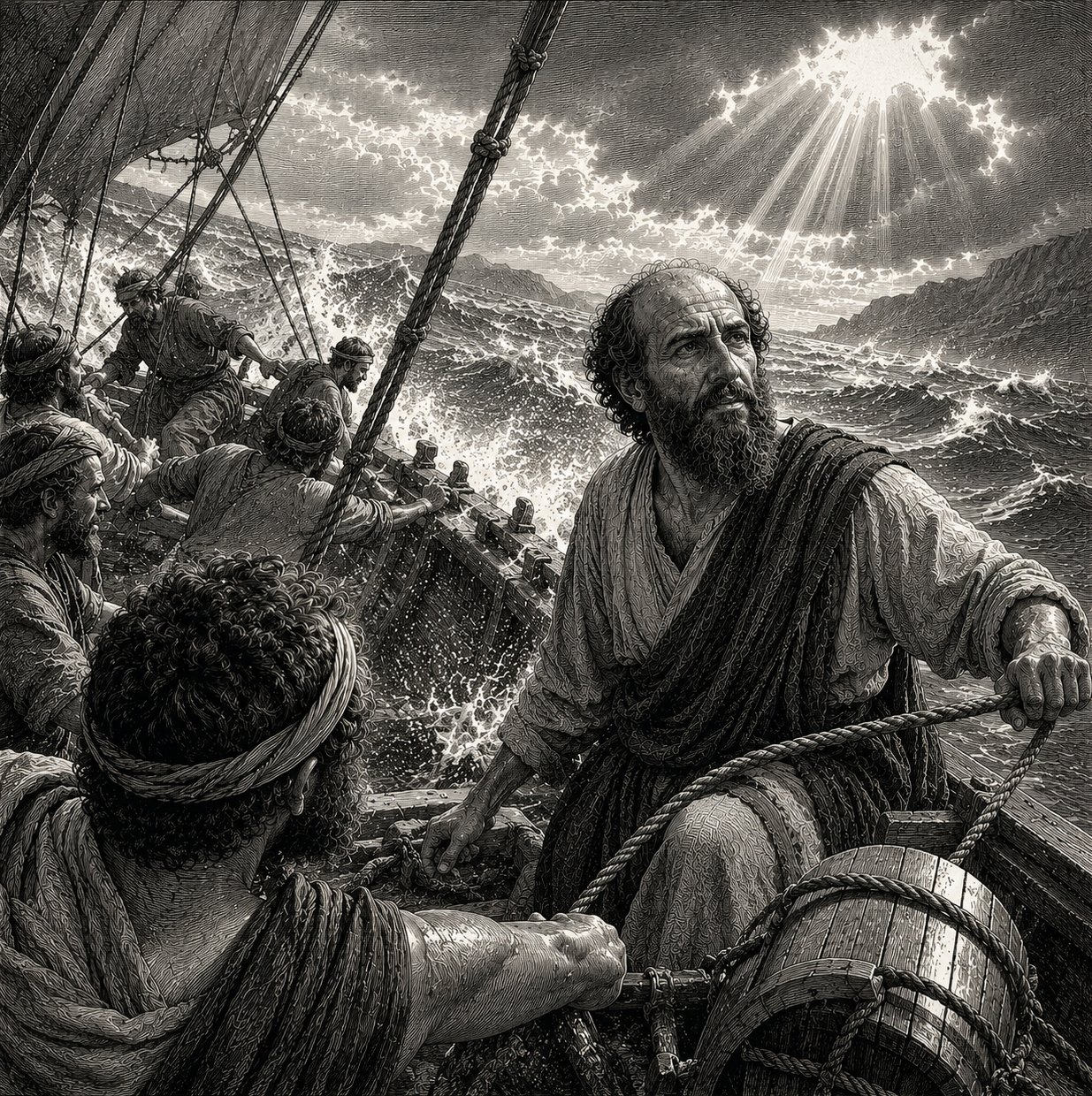
The Epistle To The Romans combines the occasional character of an early Christian letter with extended theological argument concerning law, the Law, covenant, sin, salvation, and the relation between Jews and Gentiles. Written probably in the late 50s AD, and during Paul’s stay in Corinth, the letter was addressed to Christian communities in Rome which Paul had not himself founded. Unlike several of his other letters, Romans was not written primarily in response to a specific local crisis already familiar to him. Instead, it functions partly as an introduction to his teaching and partly as an attempt to address tensions emerging within mixed Jewish / Gentile communities in the imperial capital [ … ]
Jesus has come to Jerusalem before, but previously he has not wanted to be recognized as the Messiah. Now he accepts the acclaim of the crowd and presents himself triumphantly. He chooses a fine young donkey to carry him, an honest beast of burden, and in so doing he recalls the prophecy of Zechariah 9:9, telling us that the Messiah will enter Jerusalem on a donkey [ … ]