
Christian Art | George Herbert | The Temple | The Church | Deniall
George Herbert | The Temple | The Church | Deniall
When my devotions could not pierce
Thy silent eares;
Then was my heart broken, as was my verse:
My breast was full of fears
And disorder:
My bent thoughts, like a brittle bow,
Did flie asunder:
Each took his way; some would to pleasures go,
Some to the warres and thunder
Of alarms.
As good go any where, they say,
As to benumme
Both knees and heart, in crying night and day,
Come, come, my God, O come,
But no hearing.
O that thou shouldst give dust a tongue
To crie to thee,
And then not heare it crying! all day long
My heart was in my knee,
But no hearing.
Therefore my soul lay out of sight,
Untun’d, unstrung:
My feeble spirit, unable to look right,
Like a nipt blossome, hung
Discontented.
O cheer and tune my heartlesse breast,
Deferre no time;
That so thy favours granting my request,
They and my minde may chime,
And mend my ryme.
George Herbert | The Temple | The Church | Deniall
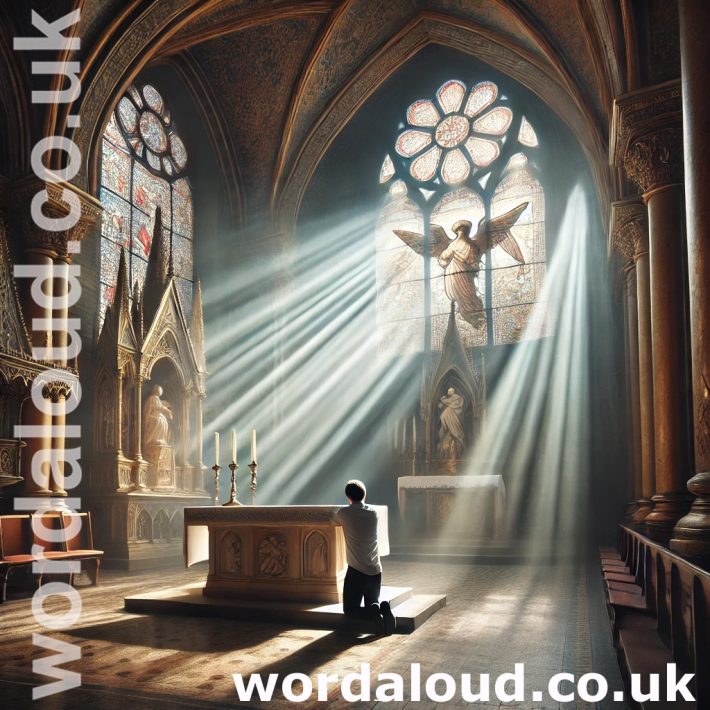
This poem reflects an intense and deeply personal experience of spiritual desolation, longing, and eventual hope for renewal. Herbert describes a state of spiritual barrenness, where prayer seems to fail in reaching God, leaving the soul in turmoil and disarray. The journey unfolds through an exploration of frustration, despair, and a heartfelt plea for divine intervention.
The poem begins with an image of devotions unable to ‘pierce’ God’s ‘silent ears’. The metaphor suggests an insurmountable distance or barrier between Herbert and the divine. This perceived absence of God leaves Herbert’s heart ‘broken’ and his ‘breast full of fears and disorder’. The language conveys both emotional and spiritual fragmentation, as Herbert’s attempts to connect with the divine are met with silence.
The second stanza expands this sense of inner chaos by comparing Herbert’s thoughts to a ‘brittle bow’ that shatters, with each fragment taking its own direction. Some thoughts are drawn toward ‘pleasures’, others to ‘the wars and thunder of alarms’, symbolizing distraction and unrest. This scattering of focus underscores spiritual alienation and inability to maintain steadfast devotion.
In the third and fourth stanzas, Herbert voices frustration at the futility of his efforts. The repeated ‘no hearing’ emphasizes the perceived absence of response from God. A paradox of God giving ‘dust a tongue to cry’ but then not hearing it reinforces Herbert’s sense of abandonment. Imagery of the heart ‘in my knee’ suggests both humility and exhaustion in persistent, unanswered prayer.
The fifth stanza reveals depth of despair. The soul lies ‘out of sight’, ‘untuned, unstrung’, evoking a musical metaphor to depict spiritual dissonance and disconnection. The ‘nipt blossom’ is a vivid image of a potential that has been stifled, representing a spirit unable to flourish in the absence of divine comfort.
The final stanza transitions to a plea for renewal and harmony. Herbert asks God to ‘cheer and tune my heartless breast’, employing the metaphor of tuning a musical instrument to restore spiritual alignment. This image suggests that divine intervention can transform Herbert’s disordered state into one of harmony and purpose. The request for God’s ‘favours granting my request’ signals hope that the silence will end, and the closing wish that God’s intervention will ‘mend my rhyme’ symbolizes the restoration not only of Herbert’s spirit but also of their creative expression and ability to worship.
The poem embodies a struggle between human frailty and the yearning for divine communion. Its central tension lies in the gap between Herbert’s efforts and their perceived failure to bridge the distance to God. Yet, the concluding plea reflects a persistent hope for reconciliation and renewal, affirming faith in God’s ultimate responsiveness. Through its poignant imagery and rhythmic structure, the poem captures a universal experience of spiritual longing and hope for grace amidst silence.



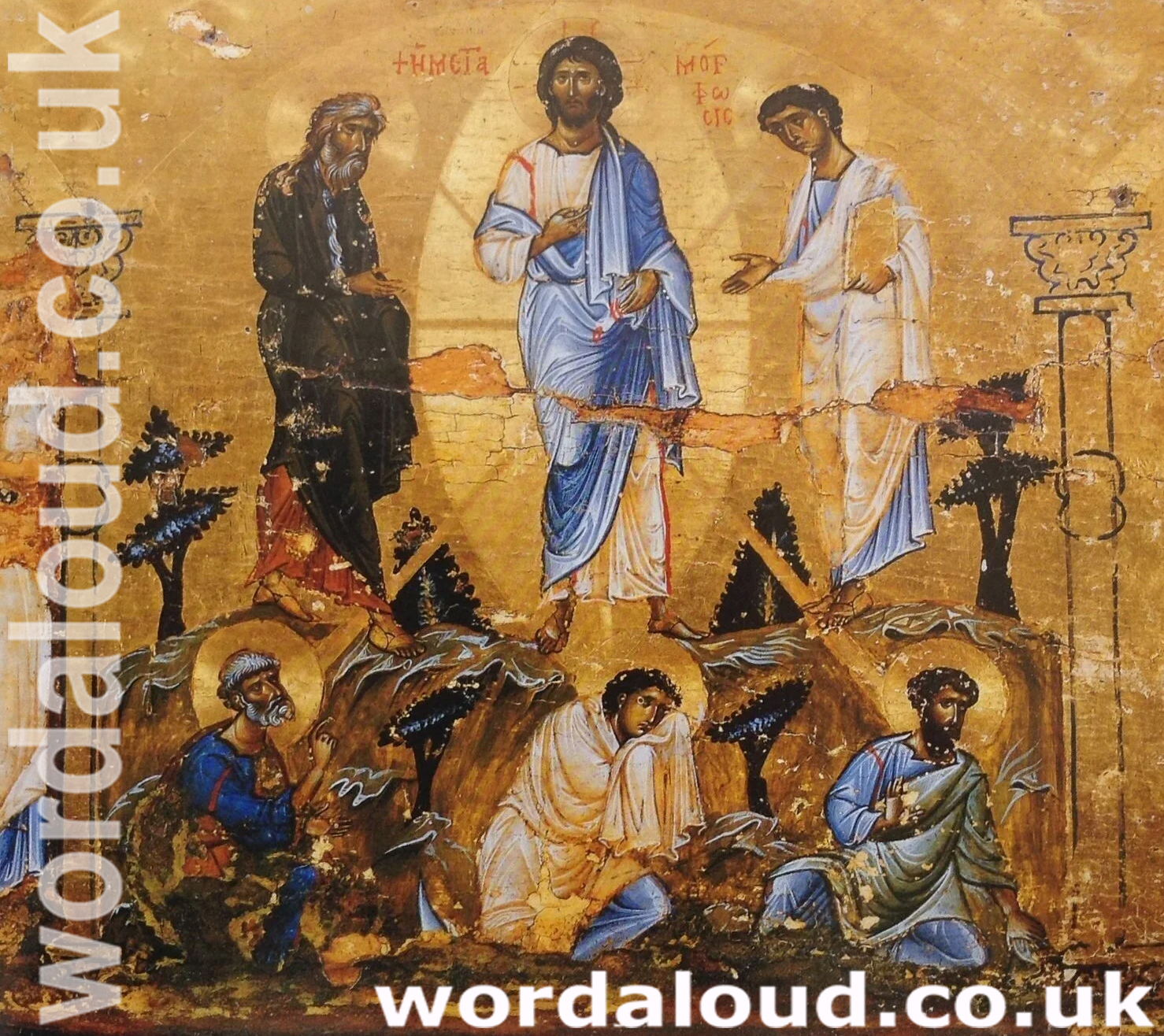
Saint Augustine turns to the destructive power of bad example. Having already examined how negligent shepherds fail to feed or protect their flock, he now shows that their own behaviour can actively corrupt those they lead. Pastors are not only teachers by their words but also models by their lives. When their conduct contradicts the Gospel, they undermine the faith of the strong and damage the weak [ … ]
Origen of Alexandria (c. 185–c. 253) was a prolific early Christian scholar and theologian whose works shaped Christian thought. His method of biblical interpretation often sought deeper, spiritual meanings beyond the literal text, emphasizing typology—the idea that events and figures in the Old Testament prefigure their fulfilment in the New Testament. His homily on the high priest’s atonement exemplifies this approach, presenting Christ as the ultimate realization of the Levitical priesthood [ … ]
This sermon by Bernard of Clairvaux presents a disciplined and practical account of the search for wisdom, framed within the moral and spiritual demands of the Christian life. Its structure is hortatory, yet it rests upon a coherent theological vision in which wisdom is both a divine gift and a task requiring sustained human response [ … ]
