
King James Version Bible (KJV) With Apocrypha PDF
King James Version Bible (KJV) With Apocrypha PDF


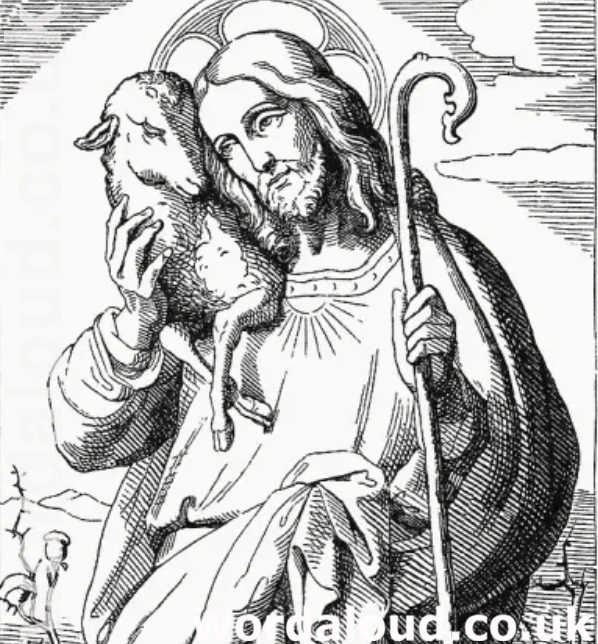
Saint Augustine confronts the pastor’s duty to seek those who stray and to call back the lost, even when that task is resisted or resented. He frames the obligation in stark terms: sheep wander; wolves and robbers threaten; the shepherd must go after the weak and the scattered. The passage presses a practical point about pastoral courage. The preacher must ‘preach the word; insist upon it’ (cf. 2 Timothy 4:2) whether the hearers welcome or reject it [ … ]
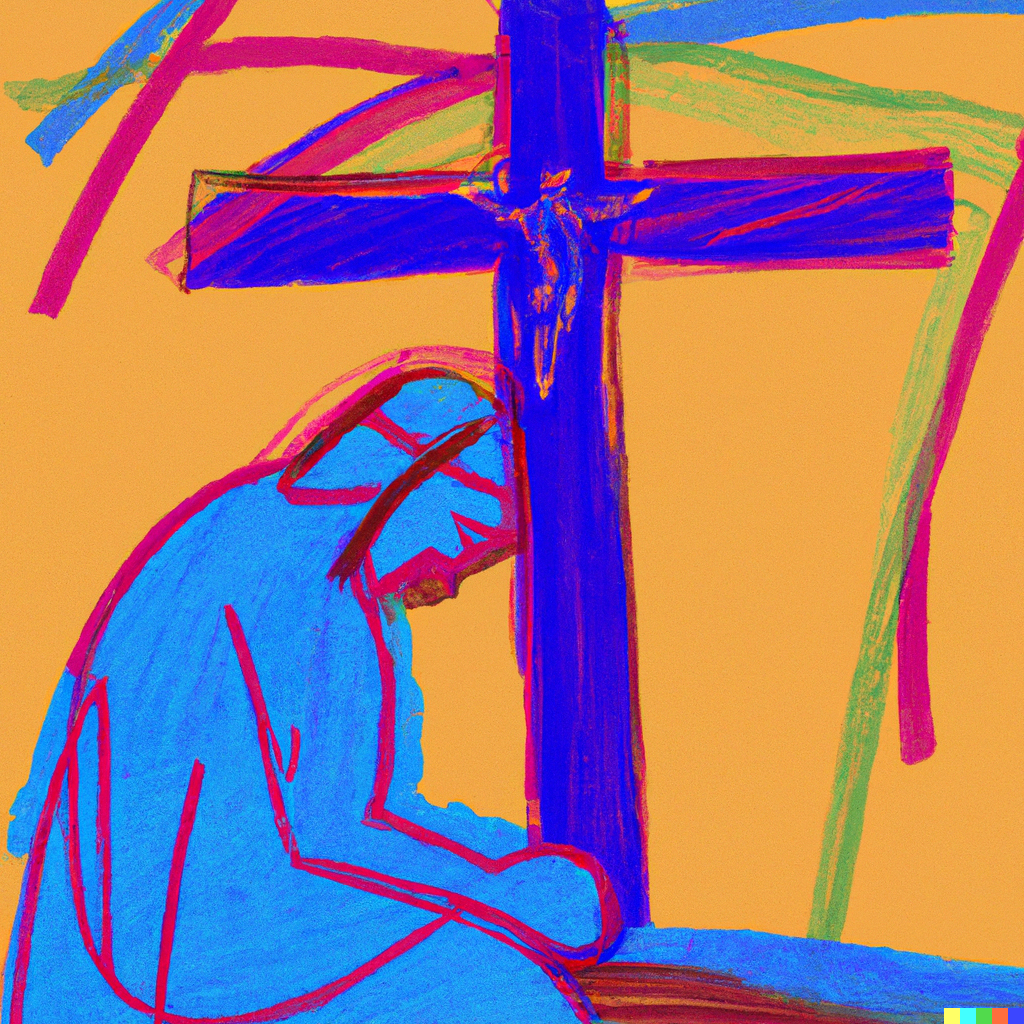
In the quiet of the Garden of Gethsemane, Jesus prayed, experiencing his bond with his Father. Jesus humbly accepted God the Father’s plan, even knowing the suffering ahead. Jesus’ mission was to bring salvation through sacrifice. Jesus cared for his disciples, urging them to pray together for strength. An angel comforted Jesus, expressing divine support. Jesus’ agony in the Garden of Gethsemane teaches us to pray, to seek God’s will and trust in God’s purpose, to find courage in our faith [ … ]

Some people are so simple that they do not know what uprightness is. Theirs is not the true simplicity of the innocent: they are as far from that as they are far from rising to the virtue of uprightness. As long as they do not know how to guard their steps by walking in uprightness, they can never remain innocent merely by walking in simplicity. This is why Saint Paul warns his disciples I hope that you are also wise in what is good, and innocent of what is bad but also Brothers, you are not to be childish in your outlook, though you can be babies as far as wickedness is concerned. Thus Christ our Truth enjoins his disciples with the words Be cunning as serpents and yet as harmless as doves. In giving them this admonition, he had to join the two together, so that both the simplicity of the dove might be instructed by the craftiness of the serpent, and the craftiness of the serpent might be attempered by the simplicity of the dove [ … ]
