

Gospel Reading: John 15:11 (KJV)
‘These things have I spoken unto you, that my joy might remain in you, and that your joy might be full.’
Reflection On The Gospel
In this verse, Jesus speaks about joy, a deep and abiding joy that he desires for us. He assures us that his teachings and presence bring a joy that is complete and enduring. This joy is not dependent on external circumstances but is rooted in our relationship with Jesus. It is a joy that sustains us through all of life’s challenges and triumphs.
Prayer
Dear Jesus, You are the source of true joy. Fill my heart with your joy, a joy that is steadfast and unshakable. Help me to find joy in your presence and in the blessings you have given me. Teach me to see the beauty in everyday moments and to appreciate the gift of life. Let your joy be my strength, uplifting me in times of difficulty and celebrating with me in times of happiness. May your joy overflow in my life, touching those around me and bringing light to the world. Amen.
Personal Reflection
- What brings you joy in your daily life?
- Reflect on a moment when you felt profound joy.
- How can you share the joy of Jesus with others?

Meditation On Prayer And Gospel
The passage from John 15:11 reveals Jesus’ desire for us to experience fullness of joy. This joy is not superficial or fleeting; it is deep, abiding, and rooted in our relationship with him. Jesus’ teachings and presence offer a joy that remains with us, regardless of life’s circumstances.
Jesus’ joy is unique because it is not contingent on external factors. It is a joy that comes from within, anchored in our faith and trust in him. This joy transcends momentary happiness and provides a sense of peace and contentment even in challenging times. It is a joy that sustains us, giving us strength and resilience.
Reflecting on this verse, we are invited to consider the sources of our joy. Are we relying on temporary and external sources for our happiness, or are we drawing from the wellspring of joy that Jesus offers? This joy encourages us to look beyond our immediate circumstances and find delight in our relationship with Jesus and the promises he has made.
The joy that Jesus speaks of is also a communal joy. It is meant to be shared with others, creating a ripple effect of positivity and light. As followers of Jesus, we are called to embody this joy and spread it to those around us. This can be through acts of kindness, words of encouragement, and simply being present with others in their times of need.
Embracing Jesus’ joy requires a shift in perspective. It calls us to focus on the blessings and positives in our lives, even when faced with challenges. This does not mean ignoring difficulties but rather finding reasons to be grateful and joyful amidst them. It is about cultivating a mindset that seeks out joy and holds onto it.
In practical terms, living out this joy involves daily practices that connect us with Jesus. This includes prayer, meditation on Scripture, and participation in a faith community. These practices help us to stay rooted in our faith and continually renew our sense of joy. They remind us of the source of our joy and keep us grounded in our relationship with Jesus.
Sharing Jesus’ joy with others can transform our relationships and communities. It creates an atmosphere of hope and positivity, where people feel uplifted and valued. This joy can be a powerful testimony to the presence of Jesus in our lives, drawing others towards his love and grace.
As we strive to embody this joy, we draw strength from Jesus’ example and his teachings. We are reminded that true joy comes from knowing him and living in his love. This joy is a gift that sustains us and empowers us to live fully and generously.
Prayer
Lord Jesus, Your joy is my strength and my song. Fill my heart with your joy, a joy that transcends all circumstances. When I am faced with difficulties, help me to remember the joy that you offer. Let your joy be a source of hope and encouragement for me and for those around me. Guide my steps and my words so that I may spread your joy wherever I go. Thank you for the gift of your joy, which enriches my life and brings me closer to you. Amen.
Scripture: Psalm 16:11 (KJV)
‘Thou wilt shew me the path of life: in thy presence is fulness of joy; at thy right hand there are pleasures for evermore.’
Blessing
May the God of joy fill your heart with gladness and peace. May you experience the fullness of joy in Jesus, and may his joy guide and sustain you in all things. Amen.



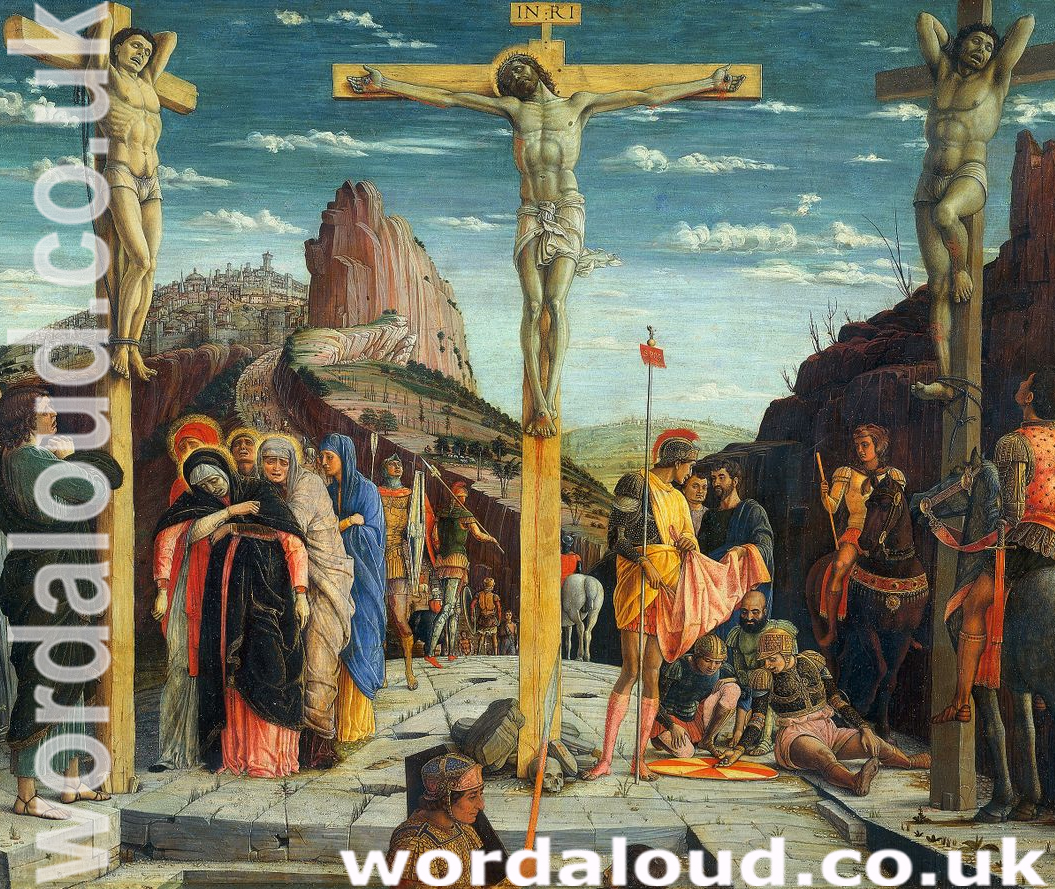
Saint Gregory of Nyssa’s reflection on Christian formation explores the transformation of the believer through the grace of the Holy Spirit. His theme ‘Fight the good fight of faith’ is taken from Saint Paul’s exhortation in the First Letter to Timothy (1 Tim 6:12). Gregory interprets this not as a call to conflict with others, but as a lifelong struggle against sin and the disorder of self-will [ … ]
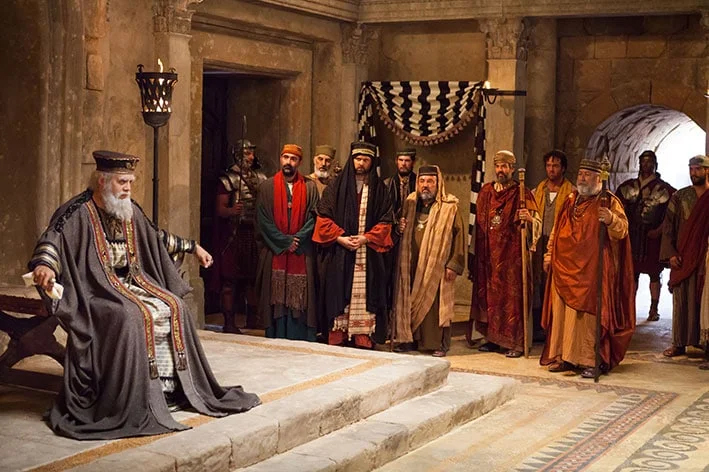
King James Audio Bible | KJV | King James Version King Herod There were several individuals named Herod who played significant roles in ancient history, particularly in the history of the Roman Empire and the region of Palestine. Here is a brief overview of the most notable Herods: Herod the Great: Also known as Herod I, he was a Roman client king of Judea, ruling from 37 BC to 4 BC. He is perhaps most famous for his role in the biblical story of the birth of Jesus, in which it is said that he ordered the slaughter of all male children in Bethlehem under the age of two in an attempt to kill the newborn Jesus. Herod Antipas: Also known as Herod II, he was the son of Herod the Great and ruled over Galilee and Perea, two regions in Palestine, from 4 BC to 39 AD. He is mentioned in the New Testament as the ruler who imprisoned John the Baptist and later had him beheaded. Herod Agrippa I: Also known as Herod III, he was the grandson of Herod the Great and ruled over Judea from 41 to 44 AD. He is mentioned in the New Testament as the ruler who imprisoned the apostle Paul. Herod Agrippa II: Also known as Herod IV, he was the great-grandson of Herod the Great and ruled over parts of Palestine and Syria from 50 to 100 AD. He is mentioned in the New Testament as the ruler who heard Paul’s defence before the Roman governor Festus. These rulers, who were known as the Herodian dynasty, were not Jewish but rather descended from a Greek family that had converted to Judaism. Despite this, they were appointed as rulers by the Roman Empire and were generally unpopular among the Jewish population due to their collaboration with the Roman occupation and their often brutal methods of rule. Herod The Great Herod the Great, also known as Herod I, was a Roman client king of Judea who ruled from 37 BC to 4 BC. He was born in 73 BC in Idumea, a region in southern Palestine, and was the son of Antipater the Idumean, an Edomite who had been appointed as a governor of Judea by the Roman general Pompey. Herod rose to power after the Roman general Julius Caesar appointed him as king of Judea in 40 BC. He consolidated his power over the next few years by defeating his rivals and establishing himself as the undisputed ruler of the region. As king, Herod embarked on a massive building program that included the expansion and renovation of the Temple in Jerusalem, the construction of the port city of Caesarea Maritima, and the fortification of several cities in Judea. He also commissioned the construction of a number of palaces and other buildings, including the famous Herodium, a palace-fortress located south of Jerusalem. Despite his many accomplishments, Herod was a controversial figure who was known for his harsh rule and his willingness to use violence to maintain his power. He was married several times and had a large number of children, several of whom he had executed when they posed a threat to his rule. One of the most famous stories associated with Herod is the biblical account of the birth of Jesus, in which it is said that he ordered the slaughter of all male children in Bethlehem under the age of two in an attempt to kill the newborn Jesus. According to the New Testament, Jesus was saved by his parents, who fled to Egypt, and later returned to Palestine after Herod’s death. Herod died in 4 BC at the age of 70, leaving a legacy as one of the most significant rulers in the history of ancient Palestine. Herod Antipas Herod Antipas, also known as Herod II, was the son of Herod the Great and ruled over Galilee and Perea, two regions in Palestine, from 4 BC to 39 AD. He was born in 20 BC and was named after his father’s patron, the Roman emperor Augustus. Like his father, Herod Antipas was known for his ambitious building projects, including the construction of the city of Tiberias on the Sea of Galilee and the expansion of the Temple in Jerusalem. He was also known for his political cunning and his ability to navigate the complex political landscape of the Roman Empire. Herod Antipas is mentioned in the New Testament as the ruler who imprisoned John the Baptist, a prominent religious figure who criticized Herod’s marriage to his sister-in-law, Herodias. According to the New Testament, John was eventually beheaded at the request of Herodias’ daughter, Salome, who danced for Herod and his guests at a banquet. Herod Antipas is also mentioned in the New Testament as the ruler who oversaw the trial and execution of Jesus. Although he initially wanted to release Jesus, he ultimately handed him over to the Roman authorities at the urging of the Jewish religious leaders. Herod Antipas’ rule came to an end in 39 AD when the Roman emperor Caligula exiled him to Gaul, modern-day France. He died in exile a few years later. Herod Agrippa I Herod Agrippa I, also known as Herod III, was the grandson of Herod the Great and ruled over Judea from 41 to 44 AD. He was born in 10 BC and was the son of Aristobulus and Bernice, two of Herod the Great’s children. Herod Agrippa I was well-educated and fluent in both Greek and Hebrew, and he was highly regarded by the Roman authorities for his loyalty and his ability to maintain order in Judea. He was appointed as king of Judea in 41 AD by the Roman emperor Claudius, who was impressed by his abilities and saw him as a reliable ally in the region. As king, Herod Agrippa I continued the building projects of his grandfather and expanded the Temple in Jerusalem. He also implemented a number of reforms aimed at improving the lives of the […]
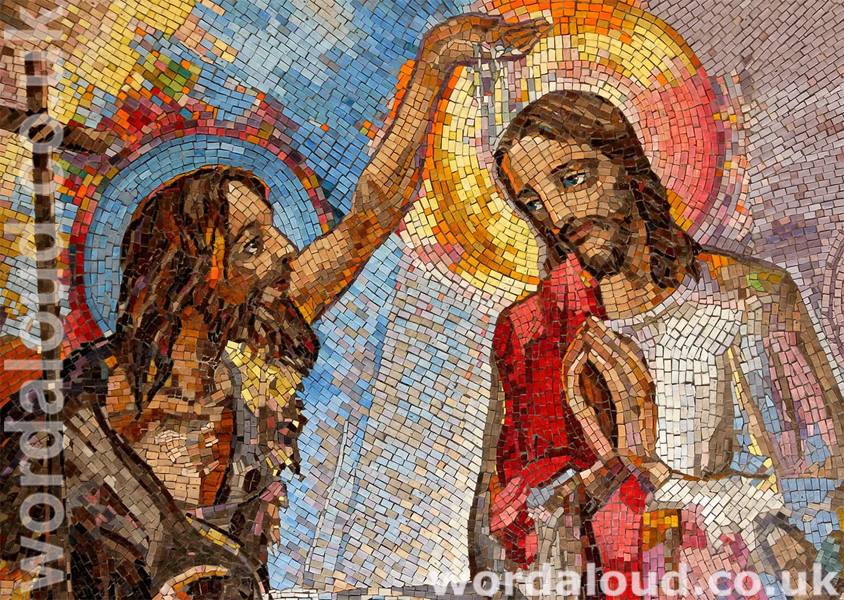
Eusebius reads Isaiah as a map of the gospel: a prophecy pointing ahead to John the Baptist, to Christ’s appearance, and to the mission of those who would later preach Christ to the world. He pays close attention to the detail that the voice cries not in the city but in the wilderness. For him this matters, because the wilderness symbolises the place where God is not expected, where the ground is rough, where paths have never been cleared. Eusebius sees this as an image of the world before the gospel, a world without the knowledge of God [ … ]