Christian Art | George Herbert | Sepulchre | The Church | Sinne (1)
George Herbert | The Temple | The Church | Sinne (1)
Lord, with what care hast thou begirt us round!
Parents first season us: then schoolmasters
Deliver us to laws; they send us bound
To rules of reason, holy messengers,
Pulpits and sundayes, sorrow dogging sinne,
Afflictions sorted, anguish of all sizes,
Fine nets and stratagems to catch us in,
Bibles laid open, millions of surprises,
Blessings beforehand, tyes of gratefulnesse,
The sound of glorie ringing in our eares:
Without, our shame; within, our consciences;
Angels and grace, eternall hopes and fears.
Yet all these fences and their whole aray
One cunning bosome-sinne blows quite away.


George Herbert | The Temple | The Church | Sinne (1)
The poem reflects on the numerous protective measures placed around individuals to guide them toward moral and spiritual growth, only to suggest that a single powerful sin can undo all these efforts. The poem opens by marvelling at the care with which human life is surrounded by formative influences, beginning with parents who ‘season’ or shape their children. This is followed by teachers, who hand them over to the ‘laws’ and ‘rules of reason’. These influences represent a rational, structured upbringing designed to lead a person towards a virtuous and ordered life.
Religious influences play their significant role in this protective framework. ‘Holy messengers’ refer to religious figures such as preachers and priests, who convey spiritual guidance, while ‘pulpits and Sundays’ emphasize the institutional role of the church in instilling moral values. The idea that ‘sorrow dogging sin’ follows from religious teachings suggests roles of guilt, repentance, and remorse in keeping individuals in check, constantly reminding of the consequences of sinful actions.
The imagery becomes quite startlingly vivid as the poet introduces the idea of ‘afflictions sorted, anguish of all sizes’, indicating that suffering and difficulties are tailored to each individual as a form of spiritual correction. These afflictions act as fine ‘nets and stratagems’ designed to ‘catch us in’, further illustrating ways in which life’s trials are meant to trap and redirect individuals away from sinful behaviour and toward salvation.
The use of ‘Bibles laid open’ evokes centrality of scripture in offering guidance, while ‘millions of surprises’ suggests the unpredictability and complexity of life’s challenges, which may serve as further moral tests. Additionally, ‘blessings beforehand’ refers to the divine favours bestowed upon individuals even before they consciously recognize or deserve them, reinforcing the idea of God’s grace. The ‘ties of gratefulness’ represent obligations individuals feel towards their benefactors, both human and divine, for these blessings.
Through the poem, there is a contrast between internal and external forces. ‘Without, our shame; within, our consciences’ points to both the social consequences of sin, such as public disgrace, and the internal moral compass, which also serves as a guiding force. The role of ‘angels and grace’ suggests a supernatural dimension, with angels acting as protectors or guides, while ‘eternal hopes and fears’ reflect ultimate stakes – salvation or damnation.
Despite all these defences and influences, the final couplet dramatically undercuts the thought of effectiveness of this moral and spiritual fortification. ‘Yet all these fences and their whole array’ can be undone by ‘one cunning bosom-sin’. This phrase implies that a single, deeply ingrained personal sin, nurtured secretly within the heart (‘bosom’), can undermine the entire framework of protections. It suggests the precariousness of human virtue, emphasizing that no matter how surrounded an individual is by guidance, their downfall can be swift if they harbour a persistent, unaddressed sin.
The poem presents a meditation on the complex interplay between guidance, protection, and human vulnerability to sin. The poem highlights both such thorough care offered by external and internal moral structures and the fragility of the human condition when faced with a powerful, hidden vice.



Saint Cyril of Alexandria draws attention in this reading to the spiritual and sacramental union of believers with Christ and one another. His theology, formed during the height of the Trinitarian and Christological controversies of the fourth and fifth centuries, centres on the mystery of the Incarnation and the salvific unity it brings to humanity. This passage illustrates a core tenet of Cyril’s thinking: that through Christ’s incarnation and the indwelling of the Holy Spirit, the faithful are mystically united both with Jesus Christ and with each other [ … ]
In this reading from his letter to the Ephesians, Saint Ignatius of Antioch continues his instruction on the Christian life, concentrating on faith, love, and the power of common worship. Writing to a community he knows well, Ignatius encourages regular gathering for prayer and thanksgiving, seeing this as a central defence against spiritual danger [ … ]
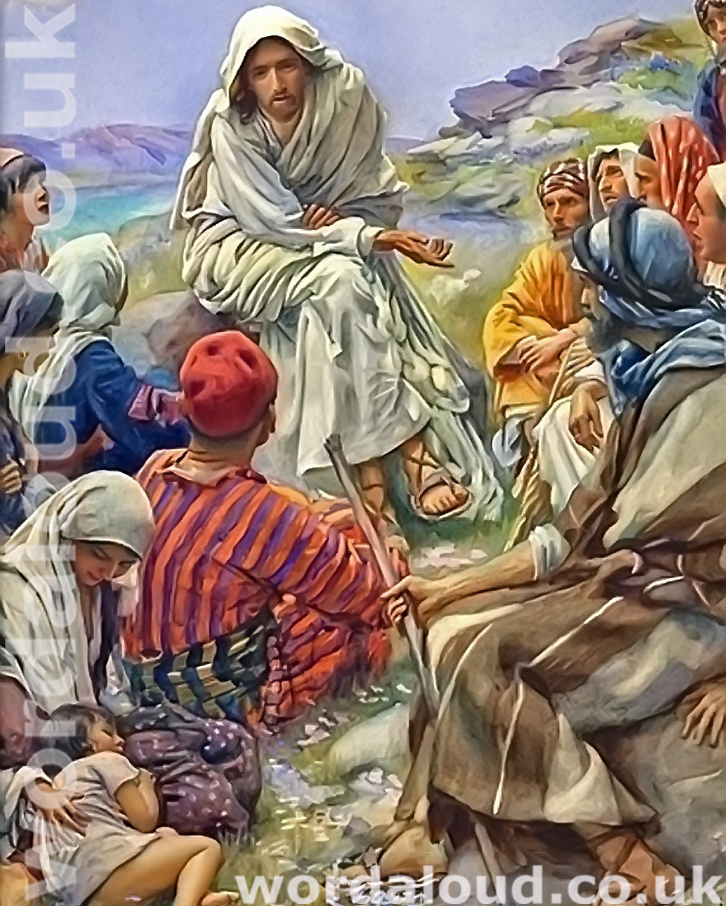
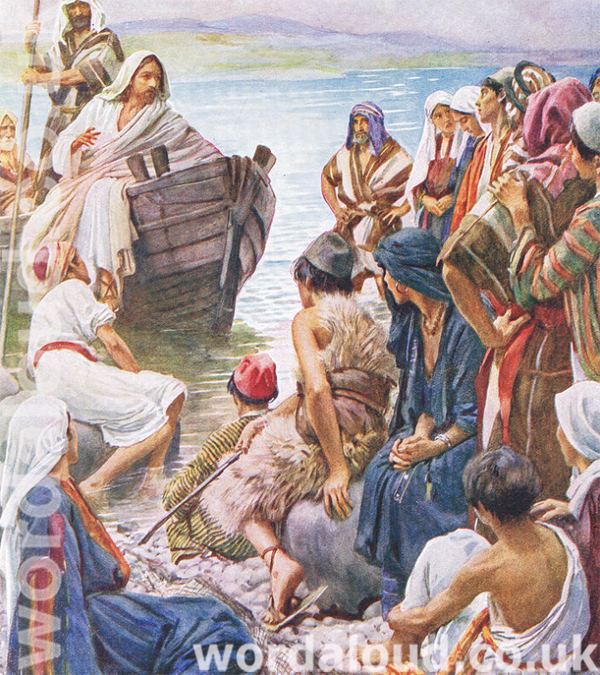
Pope Saint Leo the Great situates the Sermon on the Mount within the wider pattern of salvation history. Christ’s ministry begins with acts of physical healing that attract crowds, but these serve as a preparation for his deeper teaching. The miracles are signs intended to draw attention to the doctrine that heals the soul. Thus, Leo highlights the shift from outward cures to inward remedies, presenting Christ as both healer of the body and physician of the heart [ … ]