
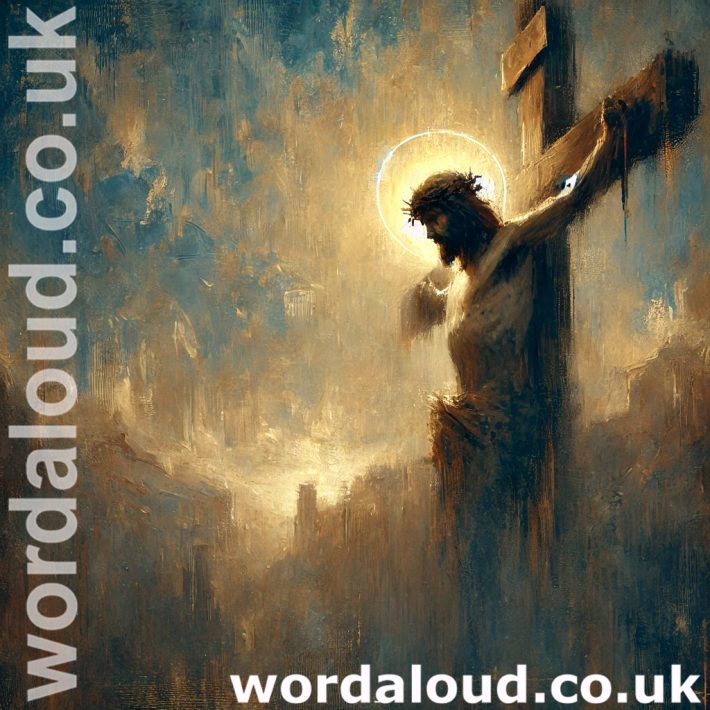
Christian Art | Good Friday | Jesus On The Cross | Jesus Crucified
Office Of Readings | Good Friday | A Reading From The Instructions Of Saint John Chrysostom To Catechumens | The Power Of The Blood Of Christ
‘The power of the blood of Christ.’
Commentary On ‘The Power Of Christ’s Blood’ By Saint John Chrysostom
In this deeply moving catechesis, Saint John Chrysostom leads us into the mystery of Christ’s Passion, focusing our attention on the extraordinary power and significance of his blood. For Chrysostom, this blood is not just a historical detail or a symbol of suffering—it is life itself. It is protection, healing, rebirth, and nourishment. It is the very source from which the Church is born.
He begins by pointing us back to the Old Testament, to the night of the first Passover in Egypt. There, the Israelites were instructed to mark their doorposts with the blood of a lamb so that the angel of death would pass over their homes. But Chrysostom makes it clear: the lamb’s blood did not save them by its own natural power—it saved because it pointed forward to Christ. It was a sign of the blood that Christ would one day shed for the whole world. If the symbol was enough to drive back death in Egypt, how much more powerful is the reality of Christ’s blood, now placed not on wooden doorposts but on our very lips in the Eucharist?
This is the turning point of the reflection: Chrysostom invites us to see that what was once prefigured in shadows is now fully present in Christ. The blood that flowed from his side on the cross is not only a sign of his suffering—it is the source of our salvation. That moment, when the soldier pierced Jesus’ side and blood and water flowed out, is full of meaning. The water points to baptism; the blood, to the Eucharist. And from these two sacraments, the Church is born.
Here Chrysostom draws a striking parallel between Christ and Adam. Just as God formed Eve from Adam’s side while he was in a deep sleep, so too the Church is formed from Christ’s side, as he slept the sleep of death. In both cases, life is brought forth from the side of one who gives himself completely. The imagery is rich and tender: the Church is not a structure or an idea—it is Christ’s beloved, born of his sacrifice.
And the comparison goes deeper still. Chrysostom describes Christ as a mother who nourishes her children with her own body. As a mother feeds her infant with her blood and milk, so Christ feeds us with his own life in the Eucharist. This is not merely a poetic metaphor—it’s a profound statement of how intimate, how physical, and how personal God’s love for us is. We are not saved from afar. We are drawn into Christ’s very body and sustained by him from within.
Throughout the reflection, Chrysostom reminds us not to take this mystery lightly. ‘Do not pass over this mystery without thought,’ he says. It’s a reminder that Good Friday is not just about recalling a tragic event—it’s about entering into a mystery that still lives and breathes in the life of the Church. The blood of Christ continues to flow in the sacraments. It still protects, still cleanses, still gives life. And it is poured out, not on the ground, but into our souls.
In the end, Chrysostom’s teaching is both awe-inspiring and deeply consoling. It tells us that we are not abandoned in our suffering, our sin, or our death. Christ has entered into all of it, and from within, he has transformed it. His blood is not only the price of our redemption—it is the gift of his very life, given to us again and again, until we are made whole.
A Reading From The Instructions Of Saint John Chrysostom To Catechumens
If we wish to understand the power of Christ’s blood, we should go back to the ancient account of its prefiguration in Egypt. ‘Sacrifice a lamb without blemish,’ commanded Moses, ‘and sprinkle its blood on your doors.’ If we were to ask him what he meant, and how the blood of an irrational beast could possibly save men endowed with reason, his answer would be that the saving power lies not in the blood itself, but in the fact that it is a sign of the Lord’s blood. In those days, when the destroying angel saw the blood on the doors he did not dare to enter, so how much less will the devil approach now when he sees, not that figurative blood on the doors, but the true blood on the lips of believers, the doors of the temple of Christ.
If you desire further proof of the power of this blood, remember where it came from, how it ran down from the cross, flowing from the Master’s side. The gospel records that when Christ was dead, but still hung on the cross, a soldier came and pierced his side with a lance and immediately there poured out water and blood. Now the water was a symbol of baptism and the blood, of the holy Eucharist. The soldier pierced the Lord’s side, he breached the wall of the sacred temple, and I have found the treasure and made it my own. So also with the lamb: the Jews sacrificed the victim and I have been saved by it.
’There flowed from his side water and blood.’ Beloved, do not pass over this mystery without thought; it has yet another hidden meaning, which I will explain to you. I said that water and blood symbolised baptism and the holy Eucharist. From these two sacraments the Church is born: from baptism, ‘the cleansing water that gives rebirth and renewal through the Holy Spirit,’ and from the holy Eucharist. Since the symbols of baptism and the Eucharist flowed from his side, it was from his side that Christ fashioned the Church, as he had fashioned Eve from the side of Adam. Moses gives a hint of this when he tells the story of the first man and makes him exclaim: ‘Bone from my bones and flesh from my flesh!’ As God then took a rib from Adam’s side to fashion a woman, so Christ has given us blood and water from his side to fashion the Church. God took the rib when Adam was in a deep sleep, and in the same way Christ gave us the blood and the water after his own death.
Do you understand, then, how Christ has united his bride to himself and what food he gives us all to eat? By one and the same food we are both brought into being and nourished. As a woman nourishes her child with her own blood and milk, so does Christ unceasingly nourish with his own blood those to whom he himself has given life.



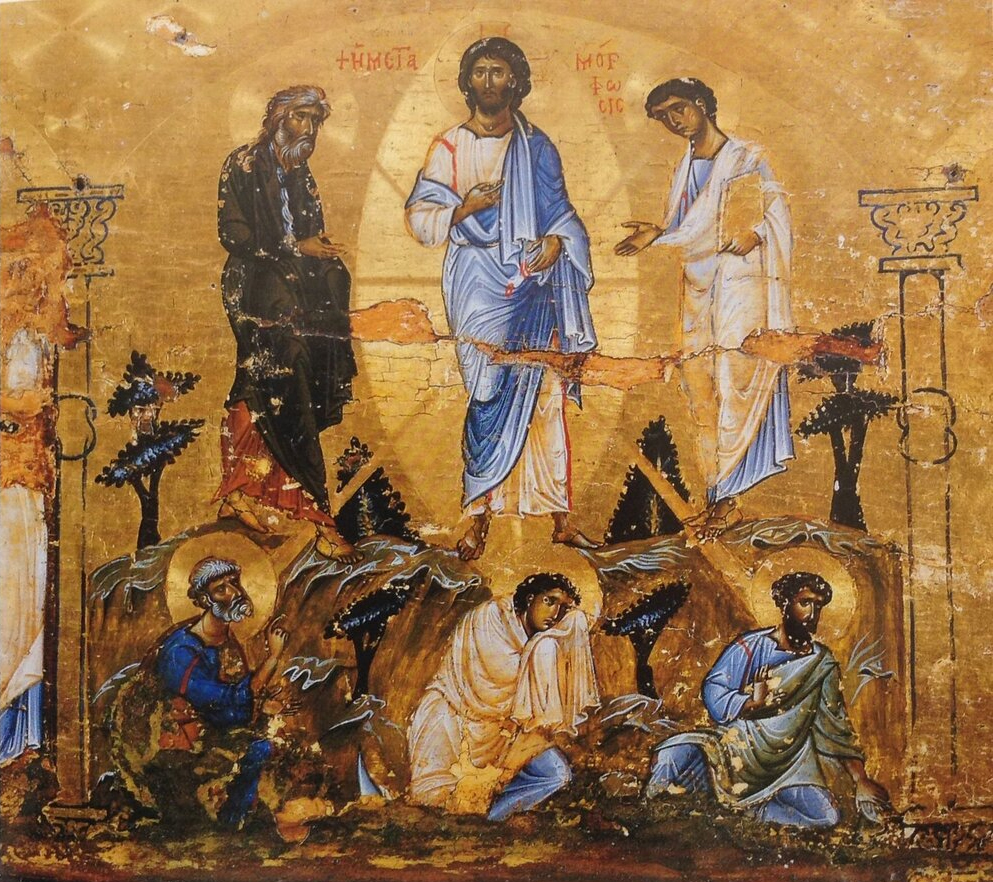
Jesus continues to prepare his disciples for the joy of his Resurrection and for the mission of the disciples, to evangelize, bringing to people all over the world the good news of Jesus Christ, of our salvation. Because they have believed in Jesus, they may ask what they wish of the Father in the Son’s name. In the Acts of the Apostles, we hear of the miracles worked by the disciples, these the signs and wonders which they are empowered to perform in order to help people to believe [ … ]
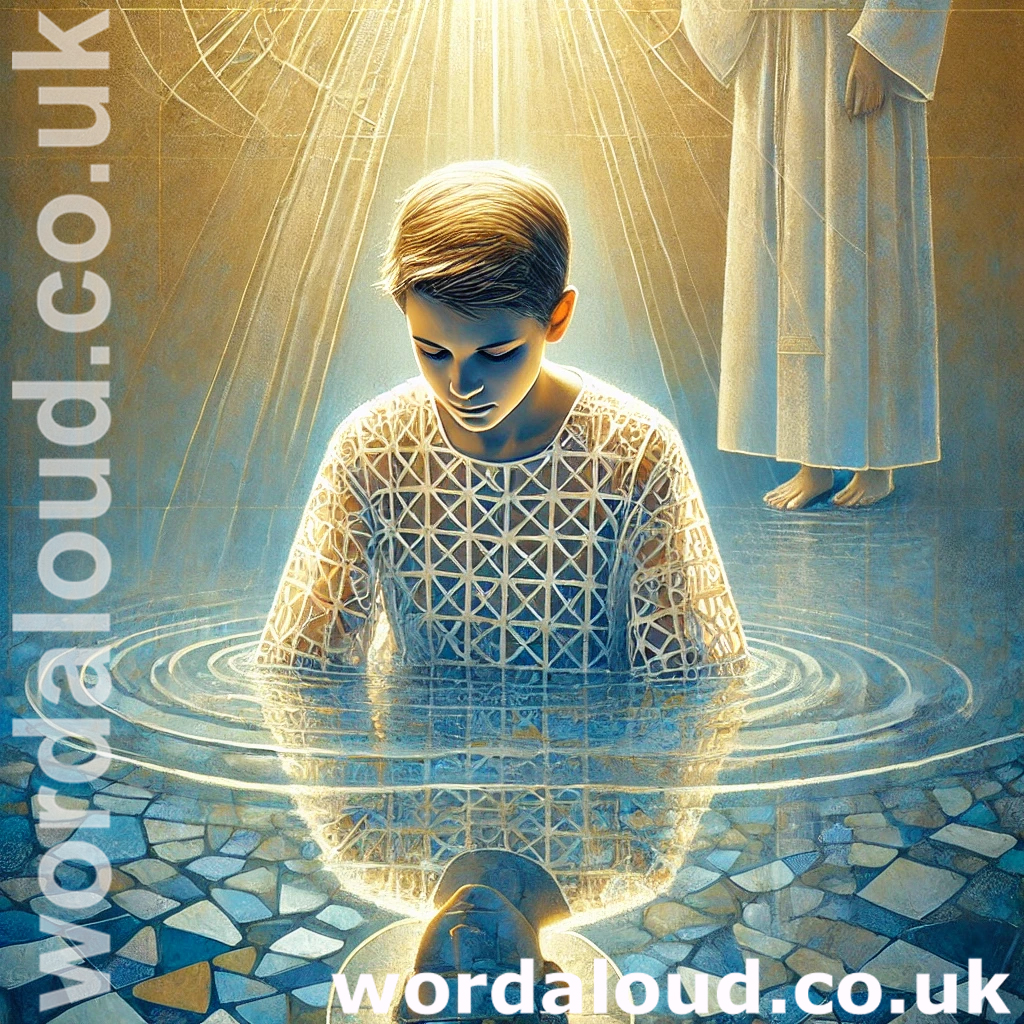
Saint Ambrose writes at a time when the Church was still catechising adults over a prolonged period before admitting them to baptism, typically at the Easter Vigil. These catechumens underwent a spiritual and moral formation, echoing Israel’s long preparation for the Promised Land. In Milan, the Lenten season was filled with scriptural instruction, exorcisms, and the rites of scrutiny to prepare them for rebirth through water and the Spirit [ … ]
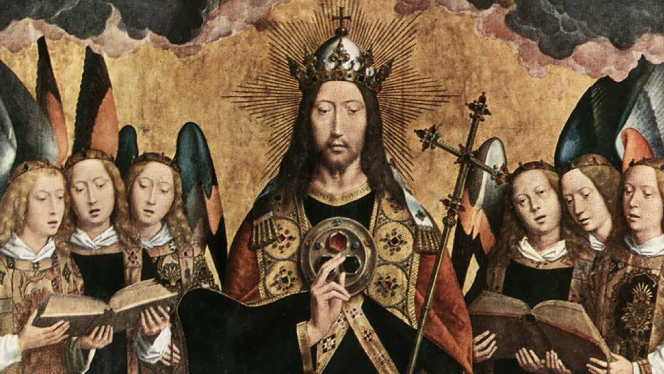
Christ prepares to be crucified. This may seem very strange as we look forward to Advent, and these really are the events of Holy Week. And yet this declaration of Christ’s coming again can be seen as a wonderful culmination of the Church year. Christ’s promise of resurrection and eternal life marks the summit of Christian faith. The declaration of Christ the King, our knowledge Christ is King, is a wonderful thought to carry through the coming weeks of Advent as we prepare to celebrate Christ’s birth [ … ]
