
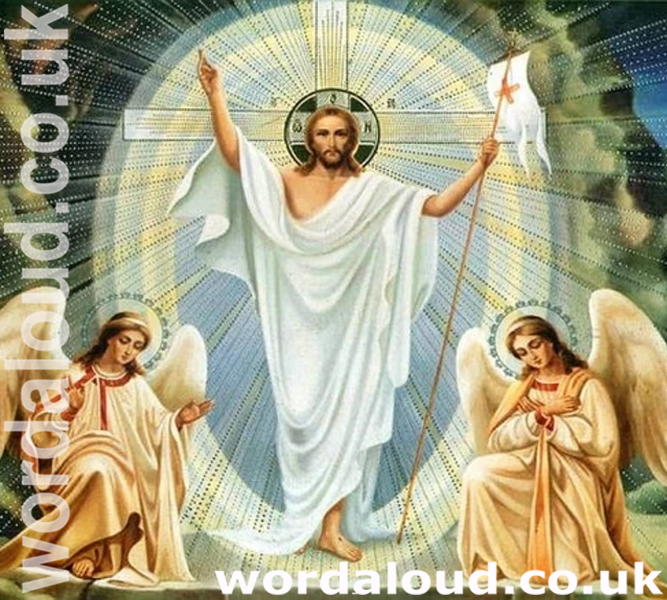
Christian Art | Love Revealed By Jesus Christ | God The Son
Office Of Readings | Advent December 18th | A Reading From The Epistle To Diognetus | God Has Revealed His Love Through His Son | God The Father, God The Son
‘God has revealed his love through his Son.’
This reading explains how God makes himself known to humanity. The reading begins by stating that God cannot be seen or known directly, but is revealed through faith. Knowledge of God is therefore not the result of human effort or observation, but of God’s own initiative.
God is described as creator and sustainer of the world, whose attitude towards humanity is marked by patience rather than anger. The text stresses continuity in God’s character: God does not change in response to human failure. God’s goodness is presented as the basis of His actions.
The reading explores the idea of a divine plan, known first to God and His Son. Before this plan was revealed, God appeared to allow human beings to follow their own desires. This period is not described as approved by God, but as tolerated. It served to show that humanity could not attain life or enter God’s kingdom by its own power.
The decisive moment comes when God reveals His plan through His Son, Jesus. Instead of punishment or rejection, God responds to human sin by taking it upon Himself. Redemption is described as an exchange: the Son, who is sinless, takes the place of sinners so that they may receive what they could not obtain themselves.
The reading emphasises that holiness does not arise from the many, but from the one. The transformation described is not moral improvement achieved by effort, but sanctification made possible through Christ alone.

Office Of Readings | Advent December 18th | A Reading From The Epistle To Diognetus | God Has Revealed His Love Through His Son | God The Father, God The Son
No man has ever seen God or known him, but God has revealed himself to us through faith, by which alone it is possible to see him. God, the Lord and maker of all things, who created the world and set it in order, not only loved man but was also patient with him. So he has always been, and is, and will be: kind, good, free from anger, truthful; indeed, he and he alone is good.
He devised a plan, a great and wonderful plan, and shared it only with his Son. As long as he preserved this secrecy and kept his own wise counsel he seemed to be neglecting us, to have no concern for us. But when through his beloved Son he revealed and made public what he had prepared from the very beginning, he gave us all at once gifts such as we could never have dreamt of, even sight and knowledge of himself.
When God had made all his plans in consultation with his Son, he waited until a later time, allowing us to follow our own whim, to be swept along by unruly passions, to be led astray by pleasure and desire. Not that he was pleased by our sins: he only tolerated them. Not that he approved of that time of sin: he was planning this era of holiness. When we had been shown to be undeserving of life, his goodness was to make us worthy of it. When we had made it clear that we could not enter God’s kingdom by our own power, we were to be enabled to do so by the power of God.
When our wickedness had reached its culmination, it became clear that retribution was at hand in the shape of suffering and death. The time came then for God to make known his kindness and power (how immeasurable is God’s generosity and love!). He did not show hatred for us or reject us or take vengeance; instead, he was patient with us, bore with us, and in compassion took our sins upon himself; he gave his own Son as the price of our redemption, the holy one to redeem the wicked, the sinless one to redeem sinners, the just one to redeem the unjust, the incorruptible one to redeem the corruptible, the immortal one to redeem mortals. For what else could have covered our sins but his sinlessness? Where else could we, wicked and sinful as we were, have found the means of holiness except in the Son of God alone?
How wonderful a transformation, how mysterious a design, how inconceivable a blessing! The wickedness of the many is covered up in the holy One, and the holiness of One sanctifies many sinners.
Christian Prayer With Jesus Christ
God our Father,
you have made yourself known
not through our strength
but through your Son.
Give us faith to receive what you offer
and to live in trust
in the redemption you have given.
Amen.
Glossary Of Christian Terms
Faith – Trust in God through which he is known, not by sight or human reasoning.
Redemption – The act by which God frees humanity from sin through the giving of his Son.
Sin – Human rejection of God’s will, resulting in separation from him.
Holiness – Life restored and set apart by God, not achieved by human effort alone.
Son of God – Jesus Christ, through whom God reveals himself and brings salvation.
Sanctification – The process by which sinners are made holy through Christ.




In this reading from Against the Heresies, Saint Irenaeus sets out a central conviction of early Christian theology: knowledge of God the Father is possible only through the Son, the Word of God. This is not a matter of intellectual effort or philosophical ascent, but of divine self-disclosure [ … ]
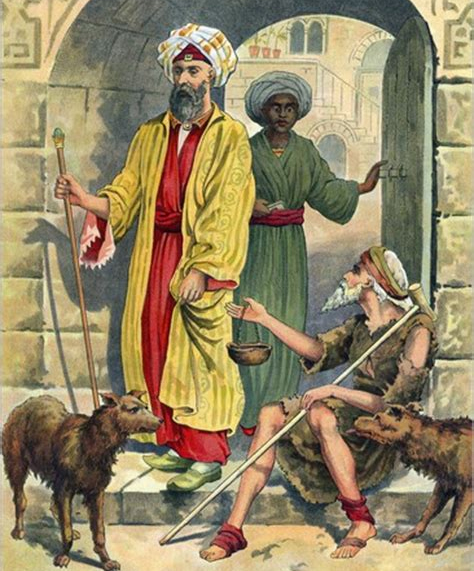
Jesus speaks in parables when he has something important to communicate. The meaning of a parable may seem obscure or in need of explanation. Jesus does give interpretations of the parables to his disciples. We are encouraged through the parables to see our world in new and perhaps unexpected ways. The parables encourage us to think more deeply about Jesus’ teaching. They are, above all, a challenge – even an anarchic challenge – to everything we think we know [ … ]
Psalm 61 expresses need for divine assistance and refuge during tumultuous times [ … ]
