
Gospel Of John, Chapter 20
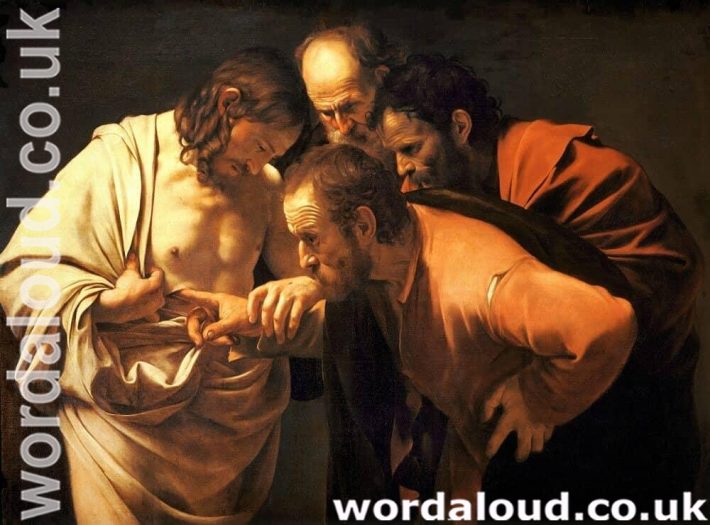
Doubting Thomas | See, Touch, Believe
There is something deeply human about Thomas the Apostle. He is not content with hearsay, not satisfied with the testimony of others, even those closest to him. “Unless I see… unless I touch… I will not believe.” His words are often remembered as a failure—but they may also be understood as a kind of honesty. Thomas refuses to pretend.
The other disciples have already seen the risen Jesus Christ. They have received peace, and even the breath of new life. But Thomas was absent. And absence matters. Faith is not easily borrowed; it is born in encounter.
A week passes. Time enough for doubt to settle, to harden perhaps. Yet when Christ comes again, He does not rebuke Thomas from afar. He comes close. He invites. He offers precisely what Thomas has asked for: “Put your finger here… see my hands… reach out your hand and put it into my side.”
This is not a humiliation of Thomas. It is a revelation of Christ.
The risen Lord does not conceal His wounds. The marks of crucifixion are not erased by resurrection; they are transformed. They remain, not as signs of defeat, but as signs of love—love that has passed through suffering and death and lives still.
Thomas had asked for proof. What he receives is presence.
And in that presence, something changes. There is no record that Thomas actually touches the wounds. Instead, he speaks one of the most profound confessions in all Scripture:
“My Lord and my God.”
Doubt gives way not to mere certainty, but to worship.
There is a gentle challenge in Christ’s words that follow: “Blessed are those who have not seen and yet have believed.” These words are not a rejection of Thomas, but a widening of the horizon—to include all who will come after. Those who will not see with their eyes, and yet are called to believe.
We live in that blessing.
And yet, Thomas remains close to us. His story tells us that doubt, when honestly faced, is not the end of faith. It may even be its beginning. For faith is not the suppression of questions, but the willingness to bring them into the presence of Christ.
The wounds remain.
Not only in Christ, but in the world, and in ourselves. And perhaps it is there—in those places of pain, uncertainty, and longing—that Christ still invites us:
“Do not doubt, but believe.”
Not by force. Not by argument alone. But by encounter.
And when that encounter comes, however quietly, however unexpectedly, the words of Thomas may become our own:
My Lord and my God.
Doubting Thomas | See, Touch, Believe
24 But Thomas the Apostle, one of the twelve, called Didymus, was not with them when Jesus Christ came.
25 The other disciples therefore said unto him, We have seen the Lord. But he said unto them, Except I shall see in his hands the print of the nails, and put my finger into the print of the nails, and thrust my hand into his side, I will not believe.
26 And after eight days again his disciples were within, and Thomas with them: then came Jesus, the doors being shut, and stood in the midst, and said, Peace be unto you.
27 Then saith he to Thomas, Reach hither thy finger, and behold my hands; and reach hither thy hand, and thrust it into my side: and be not faithless, but believing.
28 And Thomas answered and said unto him, My Lord and my God.
29 Jesus saith unto him, Thomas, because thou hast seen me, thou hast believed: blessed are they that have not seen, and yet have believed.




Jesus pays tribute to John as a great prophet, bringing the truth of God to the people, as a burning and a shining light. There is perhaps a veiled rebuke as Jesus reminds the people that they flocked to him for a period, as if theirs was a fickle and fleeting regard. Nonetheless, Jesus speaks of John now to help the people, because John witnessed Christ and that witness could help people to believe and so be saved [ … ]
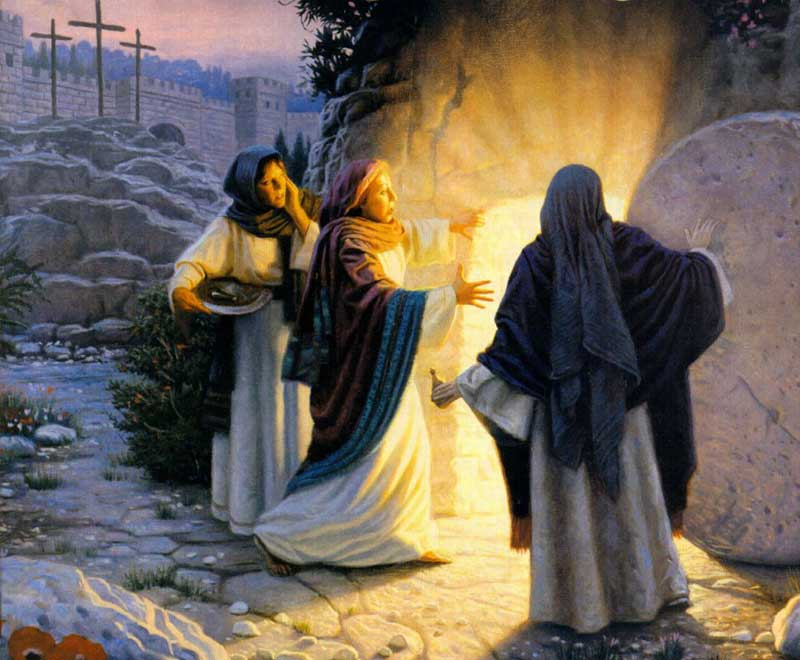
It is a time of vigil while Jesus rests and we await his resurrection on Easter Sunday. Jesus has died to free us from our sins. While he rests, the church is a quiet and sombre place. We think of Jesus’ first followers and of what they must have felt and thought through this time. They must have felt very alone and abandoned, and indeed at risk of losing their own lives [ … ]
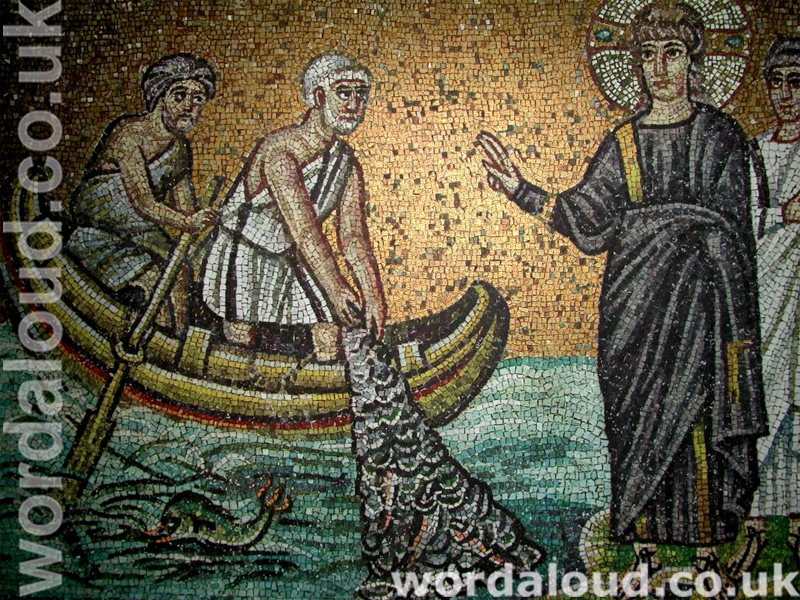
Baldwin of Canterbury’s reflection centres on the divine Word as the active presence of God in creation, revelation, and redemption. His argument develops from the scriptural assertion that “the Word of God is living and powerful, sharper than any two-edged sword.” The Word, identified with Christ himself, is not merely speech or symbol but a reality that possesses life, communicates life, and effects change [ … ]
