

Christian Art | Love Revealed By Jesus Christ | Jesus With The Children
Office Of Readings | Week 2, Tuesday, Ordinary Time | A Reading From The Letter Of Pope Saint Clement I To The Corinthians | Who Can Describe The Constraining Power Of The Love Of God?
‘Who can express the binding power of divine love?’
In this reading from his letter to the Corinthians, Pope Saint Clement I of Rome reflects on the central place of love in the Christian life. Writing to a divided community, Clement presents love as the force that binds believers together and restores harmony. His words combine practical instruction with meditation on the example of Christ.
Clement begins with a simple principle: anyone who truly loves Christ will keep his commandments. Love is not treated as an emotion alone, but as a way of life expressed in obedience. He then moves into a description of love itself, speaking of its power, beauty, and transforming effect. Love unites human beings to God, overcomes sin, and endures every difficulty with patience. It rejects pride, rivalry, and division, and instead seeks agreement and peace.
These qualities make love essential to Christian existence. Clement insists that without love it is impossible to please God. Throughout the history of salvation, it has been love that has made God’s chosen people holy. The supreme demonstration of this truth is found in Jesus Christ. Out of love, Christ gave himself completely for humanity, offering his body and his life for the sake of others. Christian love is therefore rooted in the self-giving sacrifice of the Lord.
Recognising the greatness of love, Clement asks who can truly possess it. His answer is that genuine love is a gift of God rather than a human achievement. For this reason believers must ask for it in prayer, seeking a love that is sincere and free from selfish motives. The saints of past generations are presented as examples of those who were made perfect in love by God’s grace and who now share in his kingdom.
Clement also connects love with forgiveness. A life lived in harmony and in faithful observance of God’s commandments leads to the remission of sins. He supports this claim with words from Scripture that declare blessed those whose faults are pardoned. Love, therefore, is not only a moral ideal but the path to reconciliation with God.
The reading concludes with praise of Jesus Christ, through whom this blessing is given. Clement’s message is both pastoral and practical. By placing love at the centre of Christian faith and behaviour, he calls the Corinthians away from conflict and towards a common life shaped by the example of Christ.

A Reading From The Letter Of Pope Saint Clement I To The Corinthians | Who Can Describe The Constraining Power Of The Love Of God?
Let the man truly possessed by the love of Christ keep his commandments. Who can express the binding power of divine love? Who can find words for the splendour of its beauty? Beyond all description are the heights to which it lifts us. Love unites us to God; it cancels innumerable sins, has no limits to its endurance, bears everything patiently. Love is neither servile nor arrogant. It does not provoke schisms or form cliques, but always acts in harmony with others. By it all God’s chosen ones have been sanctified; without it, it is impossible to please him. Out of love the Lord took us to himself; because he loved us and it was God’s will, our Lord Jesus Christ gave his life’s blood for us – he gave his body for our body, his soul for our soul.
See then, beloved, what a great and wonderful thing love is, and how inexpressible its perfection. Who are worthy to possess it unless God makes them so? To him therefore we must turn, begging of his mercy that there may be found in us a love free from human partiality and beyond reproach. Every generation from Adam’s time to ours has passed away; but those who by God’s grace were made perfect in love have a dwelling now among the saints, and when at last the kingdom of Christ appears, they will be revealed. Take shelter in your rooms for a little while, says Scripture, until my wrath subsides. Then I will remember the good days, and will raise you from your graves.
Happy are we, beloved, if love enables us to live in harmony and in the observance of God’s commandments, for then it will also gain for us the remission of our sins. Scripture pronounces happy those whose transgressions are pardoned, whose sins are forgiven. Happy the man, it says, to whom the Lord imputes no fault, on whose lips there is no guile. This is the blessing given those whom God has chosen through Jesus Christ our Lord. To him be glory forever and ever. Amen.
Christian Prayer With Jesus Christ
God of love and mercy,
you have shown the depth of your compassion
in the gift of your Son, Jesus Christ.
Pour into our hearts the love that comes from you alone.
Teach us to keep your commandments
not from fear, but from willing devotion.
Free us from pride, rivalry, and division,
and make us patient and generous toward one another.
Grant that our lives may reflect
the self-giving love of Christ,
who offered himself for our salvation.
Unite us more closely to you and to each other,
that we may live in harmony and peace.
Forgive our sins through your great mercy,
and lead us in the way of holiness.
May your love dwell in us always
and bring us at last to share the joy of your kingdom.
Through Jesus Christ our Lord.
Amen
Glossary Of Christian Terms
Divine love | The self-giving love that comes from God
Commandments | The teachings and instructions given by Christ
Sanctified | Made holy and set apart for God
Schisms | Divisions or conflicts within the Church
Chosen ones | Those called by God to belong to his people
Grace | The free and undeserved gift of God’s help
Saints | Holy men and women who have lived faithfully before God
Kingdom of Christ | The reign of God established through Jesus
Remission | Forgiveness or removal of sins
Transgressions | Acts that go against God’s law
Guile | Deceit or dishonesty
Blessing | Favour granted by God
Sacrifice | The offering of Christ’s life for the salvation of humanity




In Jerusalem, in the Temple, Jesus continues to teach his disciples, and to correct their understanding of what is truly of value in God’s eyes. The disciples continue to think in very worldly and material ways; they are still the same men who, on the occasion of the multiplication of loaves and fishes, asked the Lord: ‘Shall we go and buy two hundred pennyworth of bread, and give them to eat?’ It seemed a lot of money to spend [ … ]
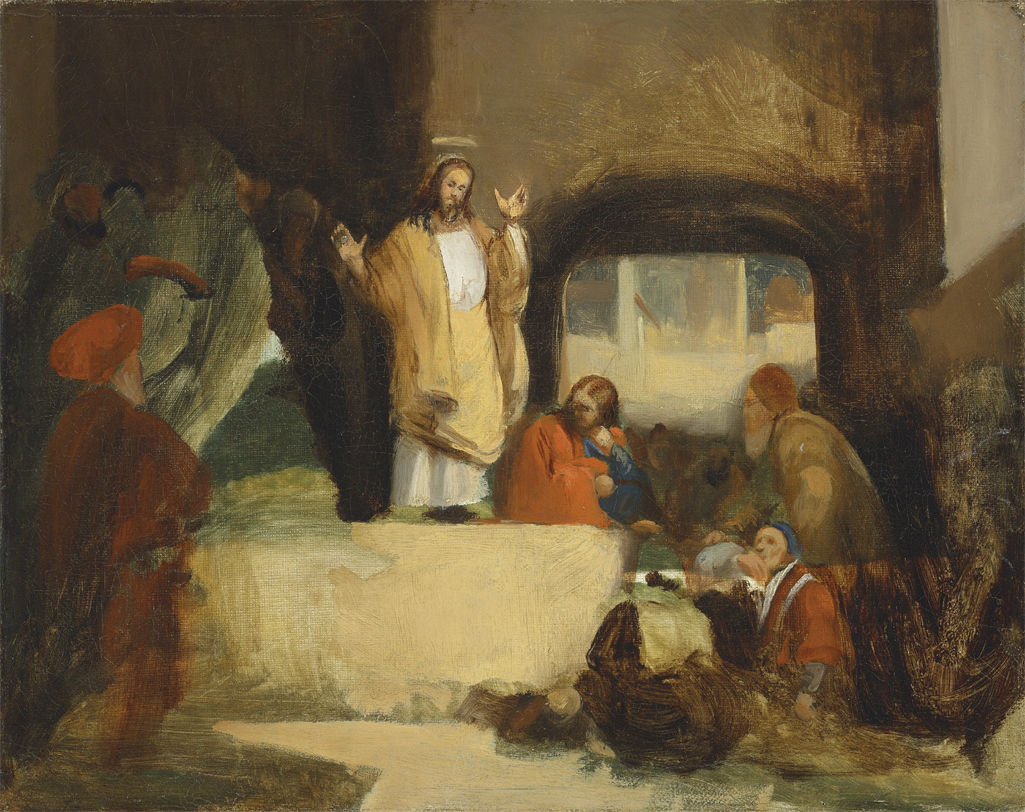
As we progress through Lent, we listen to Christ’s teaching of the limitations of the Old Law and the complete fulfilment, transcendence and renewal of the Law which Christ, through his life, death and resurrection, gave to us. As St Paul will teach: through the Law, there can be no salvation; salvation is for us through Christ alone [ … ]
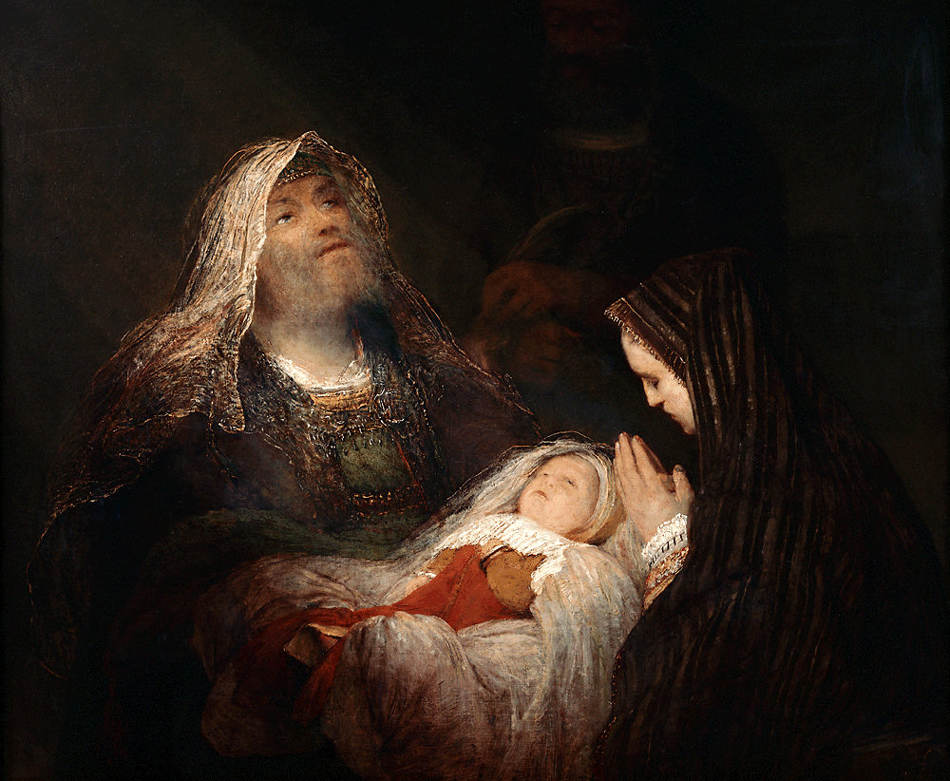
Let us bless ourselves as we seek refuge in the night’s sleep, our day’s labour done. Let us be be safe in Jesus. Let us pray. May our prayer come to God. It is perfectly done to accompany a reading of this psalm (91/90) with a recital of the nunc dimittis, and indeed fully to pray compline – the night prayer. Such prayer lends itself to peace and silence – a restful sleep [ … ]
