
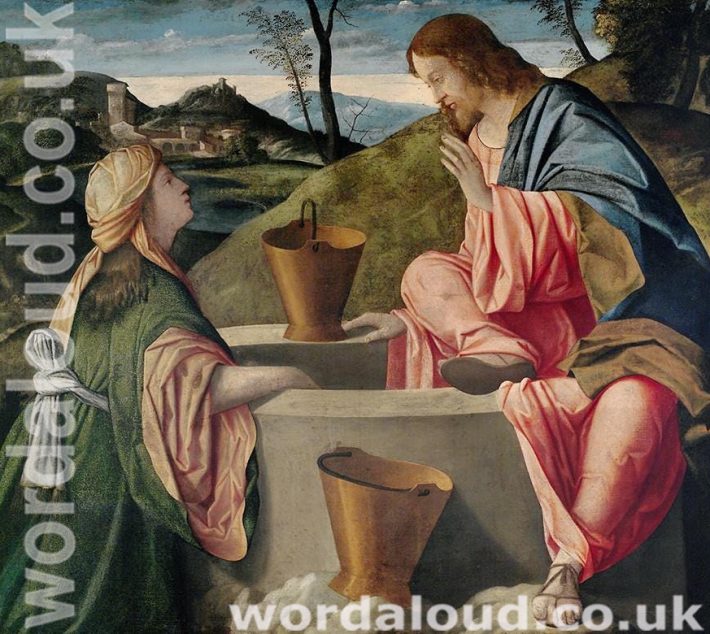
Christian Art | Jesus At The Well Of Living Water | Jacob’s Well
Office Of Readings | Week 3, Tuesday, Ordinary Time | A Reading From The Longer Rules For Monks By Saint Basil The Great | How Shall We Repay The Lord For All His Goodness To Us?
‘What shall we render to the Lord for all that he has bestowed on us?’
In this reading from the Detailed Rules for Monks, Saint Basil the Great reflects on the scale of God’s generosity and the only response that can meet it. Although written for a monastic audience, his argument addresses the basic shape of Christian gratitude and love.
Basil begins by admitting that God’s gifts are beyond full description. They are so many and so great that even one of them would deserve complete thanksgiving. He then selects what he considers the most fundamental gift: the creation of humanity in God’s image and likeness. Human beings are given knowledge of God, the capacity to think, and a place within a world of beauty and order. From the start, human life is marked by divine generosity.
Basil then turns to the tragedy of sin and its consequences. Despite humanity’s fall and its persistence in disobedience, God did not withdraw his care. Basil traces a steady pattern of divine assistance: the law, angels, prophets, warnings, and promises, all intended to guide humanity back towards virtue. Even repeated failure did not bring God’s concern to an end.
The centre of the passage is Christ. Basil describes the Incarnation as the supreme act of God’s goodness. The Son of God accepted the condition of a servant, shared human weakness, and endured suffering and death in order to restore humanity to life. Drawing on the language of Scripture, Basil presents Christ’s wounds, humiliation, and death as the means by which humanity is healed, redeemed, and raised to glory.
This saving work is not limited to forgiveness. Basil stresses that Christ also shares with humanity a participation in divine life and prepares a place of eternal rest. Salvation is therefore both deliverance from death and a gift of communion with God.
The final question follows naturally: how can such goodness be repaid? Basil’s answer is simple and demanding. God does not seek payment in kind, but only love. This love is not abstract feeling but a faithful and attentive response to God’s gifts. Basil ends with a personal note, expressing his fear of forgetting God through distraction and trivial concerns. Gratitude, for Basil, requires remembrance, attention, and a steady love that does not grow careless.
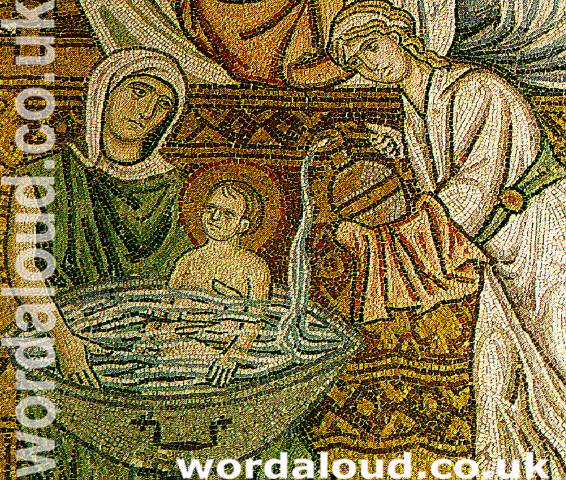
A Reading From The Longer Rules For Monks By Saint Basil The Great | How Shall We Repay The Lord For All His Goodness To Us?
What words can adequately describe God’s gifts? They are so numerous that they defy enumeration. They are so great that any one of them demands our total gratitude in response.
Yet even though we cannot speak of it worthily, there is one gift which no thoughtful man can pass over in silence. God fashioned man in his own image and likeness; he gave him knowledge of himself; he endowed him with the ability to think which raised him above all living creatures; he permitted him to delight in the unimaginable beauties of paradise, and gave him dominion over everything upon earth.
Then, when man was deceived by the serpent and fell into sin, which led to death and to all the sufferings associated with death, God still did not forsake him. He first gave man the law to help him; he set angels over him to guard him; he sent the prophets to denounce vice and to teach virtue; he restrained man’s evil impulses by warnings and roused his desire for virtue by promises. Frequently, by way of warning, God showed him the respective ends of virtue and of vice in the lives of other men. Moreover, when man continued in disobedience even after he had done all this, God did not desert him.
No, we were not abandoned by the goodness of the Lord. Even the insult we offered to our Benefactor by despising his gifts did not destroy his love for us. On the contrary, although we were dead, our Lord Jesus Christ restored us to life again, and in a way even more amazing than the fact itself, for his state was divine, yet he did not cling to his equality with God, but emptied himself to assume the condition of a slave.
He bore our infirmities and endured our sorrows. He was wounded for our sake so that by his wounds we might be healed. He redeemed us from the curse by becoming a curse for our sake, and he submitted to the most ignominious death in order to exalt us to the life of glory. Nor was he content merely to summon us back from death to life; he also bestowed on us the dignity of his own divine nature and prepared for us a place of eternal rest where there will be joy so intense as to surpass all human imagination.
How, then, shall we repay the Lord for all his goodness to us? He is so good that he asks no recompense except our love: that is the only payment he desires. To confess my personal feelings, when I reflect on all these blessings I am overcome by a kind of dread and numbness at the very possibility of ceasing to love God and of bringing shame upon Christ because of my lack of recollection and my preoccupation with trivialities.
Christian Prayer With Jesus Christ
God of boundless goodness,
you have given us life, understanding,
and the hope of glory in Christ.
We thank you for your patience and mercy,
shown to us again and again
even when we turned away from you.
Above all, we thank you for your Son,
who shared our weakness
and restored us to life.
Teach us to remember your gifts
and not to be distracted by what is passing.
Let our lives be shaped by gratitude
and our hearts by faithful love.
May we never cease to love you
or bring dishonour to the name of Christ,
but grow steadily in devotion and trust.
Through Jesus Christ our Lord.
Amen
Glossary Of Christian Terms
Image and likeness of God | The special dignity and spiritual capacity given to human beings
Law | God’s instruction given to guide human life
Prophets | Messengers sent by God to call people to faithfulness
Incarnation | The Son of God becoming human in Jesus Christ
Equality with God | Christ’s divine status before becoming human
Emptying himself | Christ’s self-giving in becoming a servant
Redemption | Being set free from sin and death
Curse | The consequence of sin taken on by Christ
Eternal rest | The fullness of life with God after death
Divine nature | Participation in God’s own life
Recompense | Something given in return
Gratitude | Thankful recognition of God’s gifts
Recollection | Attentive remembrance of God



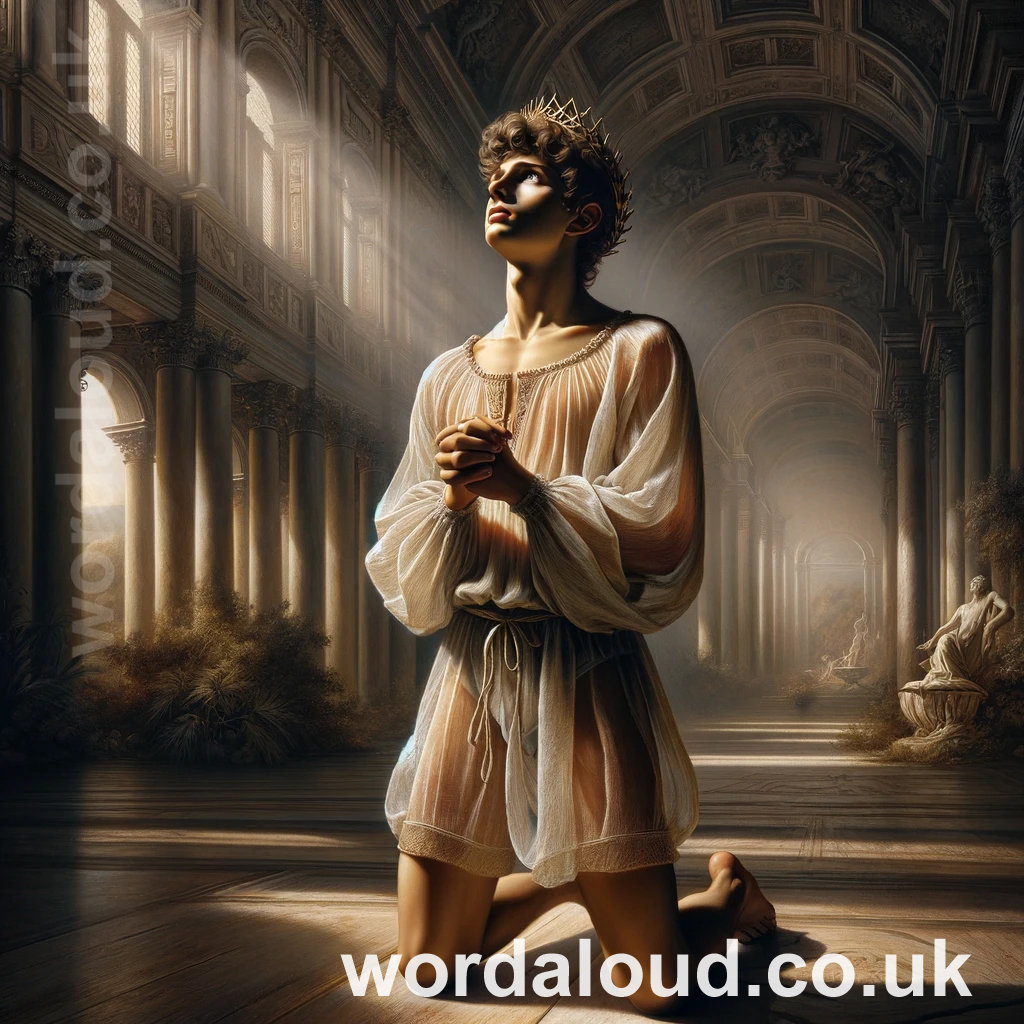
The poem reflects an intimate conversation between the poet and God, exploring the nature of human devotion, the human heart, and divine presence. It begins with Herbert’s realization that God is present from the very moment Herbert opens his eyes each morning, indicating God’s constant vigilance and readiness to connect with the human soul. This immediate presence of God suggests that each day is a fresh opportunity for a ‘match’ or covenant, where both God and the poet engage in a continuous relationship of devotion and acknowledgment [ … ]

Saint Pacian, Bishop of Barcelona in the fourth century, presents baptism as the decisive passage from the old humanity of Adam to the new life in Jesus Christ. Drawing from Romans 5:12–21 and 1 Corinthians 15:45, he sets up a parallel: through Adam’s disobedience, sin and death entered the human race; through Christ’s obedience, grace and eternal life are offered to all. Pacian insists that just as Adam’s descendants inherit his fallen condition by birth, so believers receive Christ’s life by a different kind of descent—not physical but spiritual [ … ]

In this reading, Saint Augustine explains the situation that prompted Saint Paul’s letter to the Galatians and clarifies its central theological concern: the nature of God’s grace and the freedom it brings. Augustine reads the letter as a defence of the Gospel against a misunderstanding that threatened to obscure its core message [ … ]
