

Find me on Amazon:
Amazon.co.uk
Amazon.com
‘Draw nigh to God, and he will draw nigh to you.’ (James 4: 8)
The Mission: Bring Yourself To God begins from the understanding that the Bible tells one unfolding history of God and humanity. Its books were written at different times, in different circumstances and by different hands, yet the history they contain moves towards Christ. The call of Abraham, the deliverance of Israel, the Law and the prophets, the Psalms, the life, death and resurrection of Jesus, and the mission of the apostles belong within that history.
The mission of the title is therefore both God’s and ours. Scripture records God’s action in seeking, calling and restoring humanity. It also records the human response to that call: faith and unbelief, obedience and rebellion, repentance, forgiveness, worship and love. To read the Bible is to encounter both.
The book follows this history from the Old Testament into the New. The promises given to Abraham, the story of Joseph and his brothers, the calling of Moses, the Exodus and the giving of the Law are considered alongside the Psalms and the prophets. The Gospels bring these earlier histories and promises into relation with Jesus Christ; Acts and the apostolic writings show the Gospel carried beyond Jerusalem into the world.
Each chapter begins with a passage of Scripture, principally in the King James Version, followed by a reflection upon its historical setting, literary character and place within the wider biblical narrative. The intention is to read individual passages without separating them from the Scriptures to which they belong.
Recurring themes provide connections between the different books of the Bible: covenant, sacrifice, redemption, mercy, forgiveness, pilgrimage, worship, hope and love. The Old Testament is not treated merely as background to Christianity. Its language, histories, promises and forms of worship remain necessary to an understanding of the Gospel and of the language in which the New Testament presents Christ.
The people of Scripture also remain recognisably human. Abraham leaves what he knows in response to the call of God. Joseph confronts the brothers who betrayed him. Moses hesitates before the task given to him. The disciples repeatedly misunderstand Jesus before becoming witnesses to his resurrection. Saint Paul carries the Gospel through a world often indifferent or hostile to it. Their encounters with God involve decisions made within particular lives and circumstances.
Original illustrations accompany the reflections. These draw upon the tradition of nineteenth-century steel and wood engraving, together with maps and historical scenes intended to place the biblical narratives within their geographical and historical settings.
The Mission may be read consecutively as a journey through Scripture or a chapter at a time as material for reflection and prayer. Its underlying question remains the same throughout: how does God call humanity to himself, and how is that call answered?
The Christian answer reaches its centre in Jesus Christ. The many histories of Scripture converge upon him, while his command to his disciples carries the mission onwards. The biblical story therefore does not leave the reader merely as an observer of events long past. The call heard by Abraham, Moses, the prophets and the apostles becomes a question addressed to every human life: how are we to bring ourselves to God?





There are times elsewhere in the Gospels when Jesus’ enemies accuse him of being possessed by a devil. In today’s very short Gospel reading, we listen to how Jesus’ friends are worried for him, to the point where they wish to save him from himself, thinking that he has gone out of his mind – that he is mad [ … ]
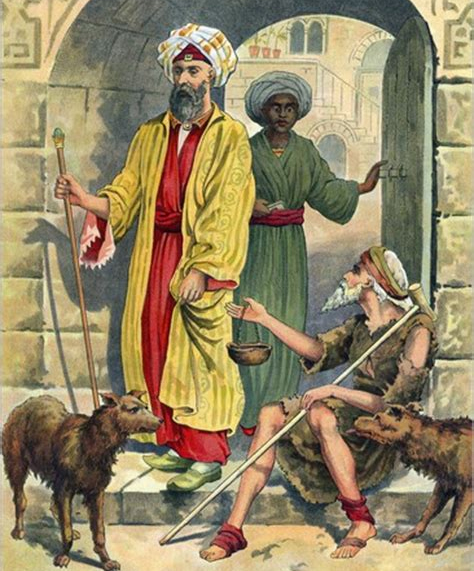
Jesus speaks in parables when he has something important to communicate. The meaning of a parable may seem obscure or in need of explanation. Jesus does give interpretations of the parables to his disciples. We are encouraged through the parables to see our world in new and perhaps unexpected ways. The parables encourage us to think more deeply about Jesus’ teaching. They are, above all, a challenge – even an anarchic challenge – to everything we think we know [ … ]

Psalm 63 offers solace and inspiration to those who seek God’s presence, even in the midst of life’s trials. It serves as a reminder that our pursuit of the Divine should be unwavering, prioritizing our connection with God above all else. It acknowledges profound joy and spiritual fulfilment that come from seeking and experiencing God’s love and protection [ … ]
