
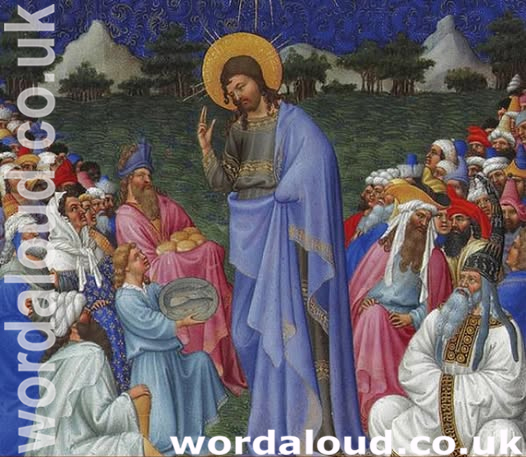
Christian Art | Jesus Feeds The Multitude
Office Of Readings | Week 1, Saturday, Ordinary Time | A Reading From The Letter Of Pope Saint Clement I To The Corinthians | By Faith God Has Justified All Men From The Beginning Of Time
‘From the first, faith has been God’s means of justifying men.’
This reading from the letter of Pope Saint Clement I to the Corinthians sets out an early Christian understanding of faith, justification, and good works. Clement addresses a community facing tension and division, and he appeals to shared scriptural history as a way of restoring unity and purpose. His argument develops in careful stages, moving from examples drawn from the Old Testament to practical conclusions for the present life of believers.
Clement begins by identifying faith as the foundation of God’s blessing. He recalls figures such as Abraham, Isaac, and Jacob, presenting them as models whose lives were shaped by trust in God rather than by personal achievement. Each example is chosen to show a different aspect of faithful obedience: Abraham’s integrity, Isaac’s willingness, and Jacob’s humility. Clement uses these stories to remind his readers that the honour given to Israel’s ancestors did not arise from their own merit but from God’s will. The history of the chosen people, including the priesthood and the royal line, is therefore interpreted as evidence of divine initiative.
From this reflection on the past, Clement turns to the situation of Christians. He states that believers, like their forebears, are justified through faith and not through wisdom, intelligence, or pious deeds. This claim does not dismiss the value of human effort, but it places such effort within a wider framework. Justification, in his view, is a gift rather than a reward. By grounding salvation in faith, Clement emphasises dependence on God and removes any basis for pride or rivalry within the community.
Having established this principle, Clement anticipates a possible misunderstanding. If faith alone justifies, some might conclude that good works are unnecessary. He rejects this idea firmly and argues that active love and service remain essential. To support this point, he turns to the example of God as Creator. The ordered world, brought into being through deliberate acts, demonstrates that God himself takes joy in work. Human beings, made in the image of God, are therefore called to reflect that pattern through their own actions.
The final section draws the argument together. Good works are presented not as a means of earning favour but as a natural response to it. Clement urges his readers to recognise the gifts they have received and to commit themselves wholeheartedly to living out their faith. In this way, the letter links belief and practice, showing them as complementary parts of a single Christian vocation.
Throughout the passage, Clement writes as a pastor seeking to guide a troubled church. His message combines respect for tradition with practical instruction, and it offers insight into the priorities of the early Christian community.

A Reading From The Letter Of Pope Saint Clement I To The Corinthians | By Faith God Has Justified All Men From The Beginning Of Time
God’s blessing must be our objective, and the way to win it our study. Search the records of ancient times. Why was our father Abraham blessed? Was it not because his upright and straightforward conduct was inspired by faith? As for Isaac’s faith, it was so strong that, assured of the outcome, he willingly allowed himself to be offered in sacrifice. Jacob had the humility to leave his native land on account of his brother, and go and serve Laban. He was given the twelve tribes of Israel.
Honest reflection upon each of these examples will make us realize the magnitude of God’s gifts. All the priests and Levites who served the altar of God were descended from Jacob. The manhood of the Lord Jesus derived from him. Through the tribe of Judah, kings, princes and rulers sprang from him. Nor are his other tribes without their honour, for God promised Abraham: Your descendants shall be as the stars of heaven.
It is obvious, therefore, that none of these owed their honour and exaltation to themselves, or to their own labours, or to their deeds of virtue. No; they owed everything to God’s will. So likewise with us, who by his will are called in Christ Jesus. We are not justified by our wisdom, intelligence, piety, or by any action of ours, however holy, but by faith, the one means by which God has justified men from the beginning. To him be glory for ever and ever. Amen.
What must we do then, brothers? Give up good works? Stop practicing Christian love? God forbid! We must be ready and eager for every opportunity to do good, and put our whole heart into it. Even the Creator and Lord of the universe rejoices in his works. By his supreme power he set the heavens in their place; by his infinite wisdom he gave them their order. He separated the land from the waters surrounding it and made his own will its firm foundation. By his command he brought to life the beasts that roam the earth. He created the sea and all its living creatures, and then by his power set bounds to it. Finally, with his own holy and undefiled hands, he formed man, the highest and most intelligent of his creatures, the copy of his own image. Let us make man, God said, in our image and likeness. And God made man, male and female he made them. Then, when he had finished making all his creatures, God gave them his approval and blessing: Increase and multiply, he charged them.
We must recognize, therefore, that all upright men have been graced by good works, and that even the Lord himself took delight in the glory his works gave him. This should inspire us with a resolute determination to do his will and make us put our whole strength into the work of living a Christian life.
Christian Prayer With Jesus
Faithful God, source of every blessing,
you have called your people in every age to live by trust in your promises.
As Abraham, Isaac, and Jacob followed your guidance,
teach us to walk in the same spirit of humble obedience.
Grant that we may know our dependence on your grace,
remembering that all we receive comes from your generous hand.
Strengthen our faith in Christ,
and keep us from pride in our own wisdom or efforts.
Stir in us a ready desire to do good,
that our lives may reflect your love and purpose.
Help us to serve one another with willing hearts,
and to rejoice in the work you give us to do.
Creator of all things,
form us more closely in your image,
that our words and actions may bring honour to your name.
Through Jesus Christ our Lord.
Amen
Glossary Of Christian Terms
Faith | Trust in God and confidence in his promises, expressed through belief and obedience
Justify | To be made righteous or accepted by God
Blessing | Favour or benefit granted by God
Upright | Morally honest and faithful in conduct
Sacrifice | An offering made to God, often involving self-giving
Humility | A spirit of modesty and willingness to submit to God’s will
Levites | Members of the tribe of Levi who assisted the priests in the worship of Israel
Priests | Those appointed to offer sacrifices and lead the religious life of the people
Descendants | Future generations who come from a particular ancestor
Exaltation | Being raised to honour or high position
Piety | Devotion and reverence toward God
Good works | Actions carried out in love and obedience to God
Justification | The act by which God brings a person into right relationship with himself
Creator | God as the maker and sustainer of the universe
Image of God | The spiritual likeness to God in which human beings are created
Christian love | Practical care and concern for others in response to God’s love




Jesus contrasts those who are ready in their hearts to receive the Word of God with those for whom the Word remains obscured. A body of disciples, followers and believers, has begun to form around Jesus. These are they who have understanding, not particularly in an intellectual fashion, but rather because they are lovingly receptive, whereas lack of love opens the door of the soul to the devil. Jesus’ disciples are disposed to conversion, to permit God’s grace to transform their lives. We understand in these verses a contrast between Christian faith and lack of faith [ … ]
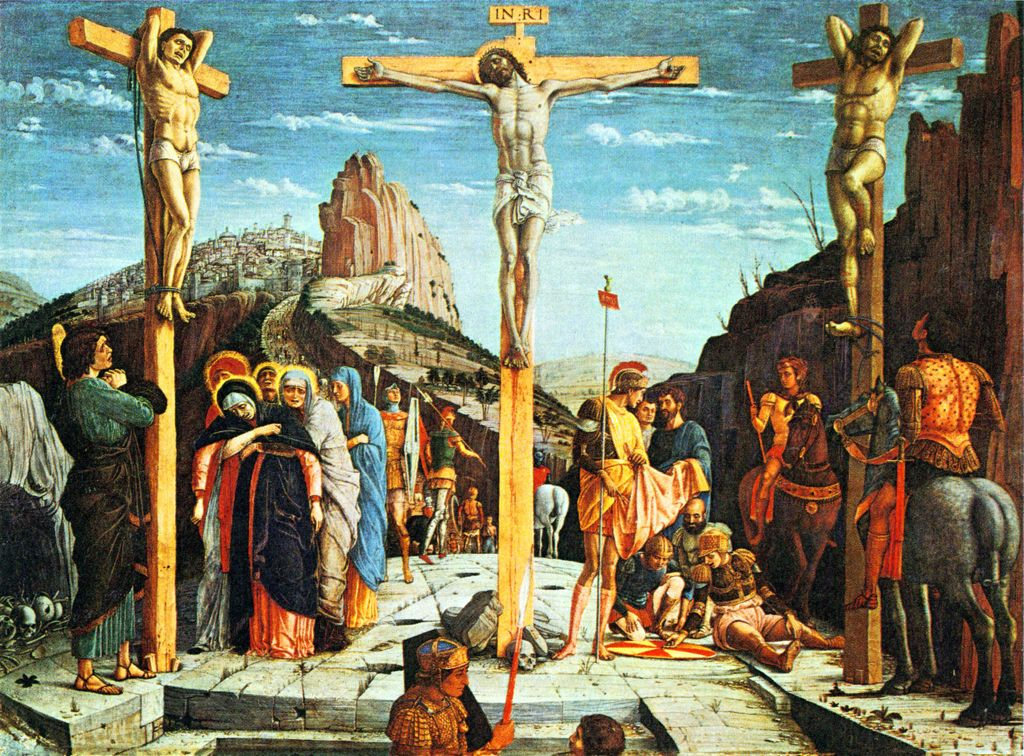
Saint Cyprian reflects on something very ordinary and very difficult: waiting. He insists that patience is not just a virtue floating on its own but is a necessary companion to faith and hope. Faith looks to God; hope leans toward what God has promised; but patience is what keeps both alive in the long spaces where nothing seems to be happening [ … ]
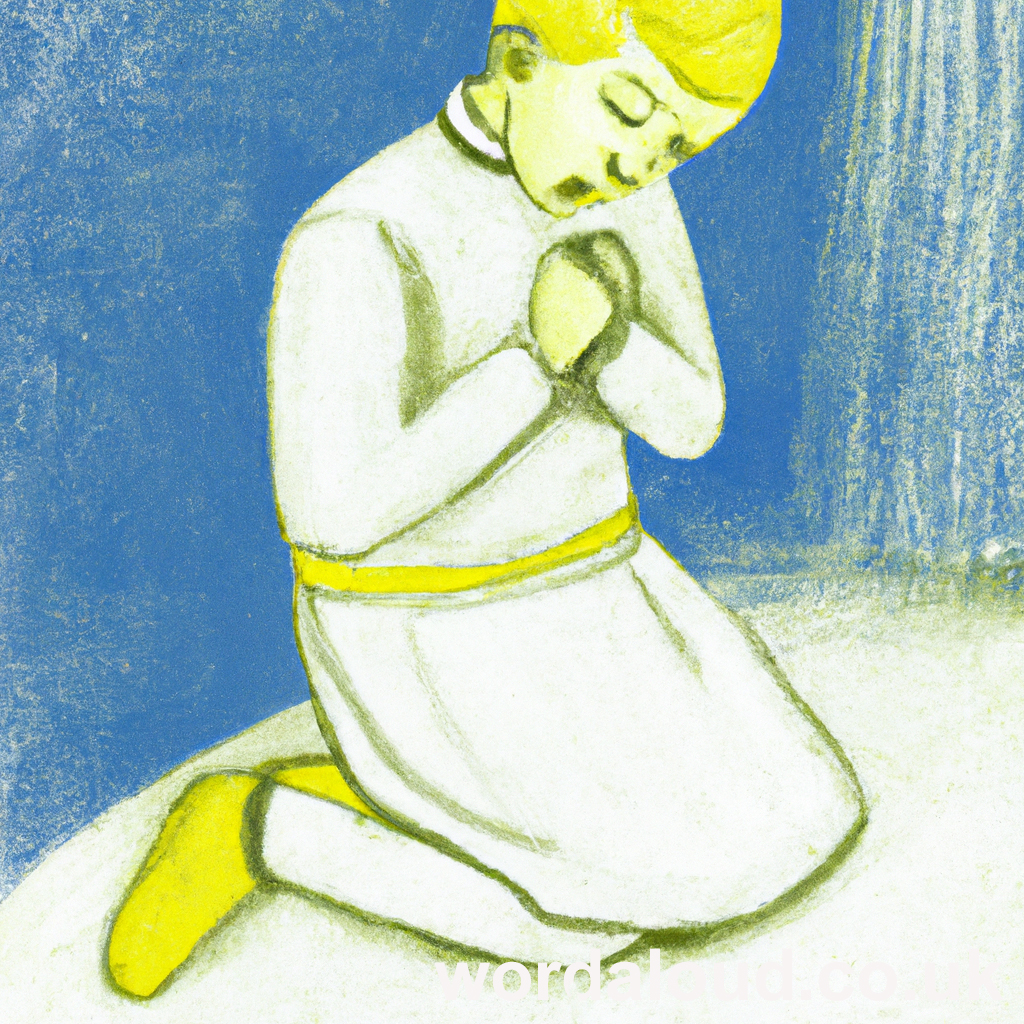
Psalm 65 is a song of gratitude and praise to the Divine. In this beautiful hymn, the psalmist reflects on the majesty and mercy of God, expressing a deep sense of awe and thanksgiving for the bountiful blessings bestowed upon the earth. The psalm opens with a resounding declaration that praises are reserved for God in Zion, the sacred city, and vows made to the Almighty will be fulfilled [ … ]
