Christian Art | Prayer With Jesus | Revolution On The Cross | The Psalms
Psalm 10 | King James Audio Bible
YouTube: King James Audio Bible | Psalm 10 | KJV | Word Aloud
Psalm 10 speaks of challenges and questions that arise when bad people mistreat the vulnerable.
The psalm starts with a question, asking why God seems far away when trouble happens. The psalm is of how the wicked people, full of pride, make life hard for those who are poor. The psalmist hopes they face the consequences they planned for others.
The wicked brag about their selfish desires and even bless those who love money, a false love which rejects God. These people, blinded by pride, ignore God and don’t think about what’s right.
The actions of the evil cause pain, but they think they’re safe from harm. They curse, lie and deceive, causing trouble wherever they go. They even secretly plan to hurt the innocent, like a lion hiding to catch its prey.
They pretend to be weak to cause others to fall, thinking God doesn’t see.
The psalmist asks God to rise up and help, not forgetting the humble or those who need assistance. The psalmist wonders why the wicked ignore God and assume they won’t be held accountable.
But the psalmist believes God sees everything, ready to repay the wicked for their wrongdoings. The poor trust in God’s help.
The psalm asks God to stop the wicked’s actions, removing their power to harm.
The psalm affirms that the Lord is the eternal ruler and that those who oppress will eventually lose their power. The psalm concludes with a reminder that God listens to the humble and will ensure fairness, that God will provide an end to the oppression of the poor by the mighty.


Psalm 10 | King James Audio Bible KJV
Why standest thou afar off, O Lord? Why hidest thou thyself in times of trouble?
The wicked in his pride doth persecute the poor: let them be taken in the devices that they have imagined.
For the wicked boasteth of his heart’s desire, and blesseth the covetous, whom the Lord abhorreth.
The wicked, through the pride of his countenance, will not seek after God: God is not in all his thoughts.
His ways are always grievous; thy judgments are far above out of his sight: as for all his enemies, he puffeth at them.
He hath said in his heart, I shall not be moved: for I shall never be in adversity.
His mouth is full of cursing and deceit and fraud: under his tongue is mischief and vanity.
He sitteth in the lurking places of the villages: in the secret places doth he murder the innocent: his eyes are privily set against the poor.
He lieth in wait secretly as a lion in his den: he lieth in wait to catch the poor: he doth catch the poor, when he draweth him into his net.
He croucheth, and humbleth himself, that the poor may fall by his strong ones.
He hath said in his heart, God hath forgotten: he hideth his face; he will never see it.
Arise, O Lord; O God, lift up thine hand: forget not the humble.
Wherefore doth the wicked contemn God? He hath said in his heart, Thou wilt not require it.
Thou hast seen it; for thou beholdest mischief and spite, to requite it with thy hand: the poor committeth himself unto thee; thou art the helper of the fatherless.
Break thou the arm of the wicked and the evil man: seek out his wickedness till thou find none.
The Lord is King for ever and ever: the heathen are perished out of his land.
Lord, thou hast heard the desire of the humble: thou wilt prepare their heart, thou wilt cause thine ear to hear:
To judge the fatherless and the oppressed, that the man of the earth may no more oppress.
Key Themes Of The Psalm For Reflection | Love Revealed By Jesus Christ
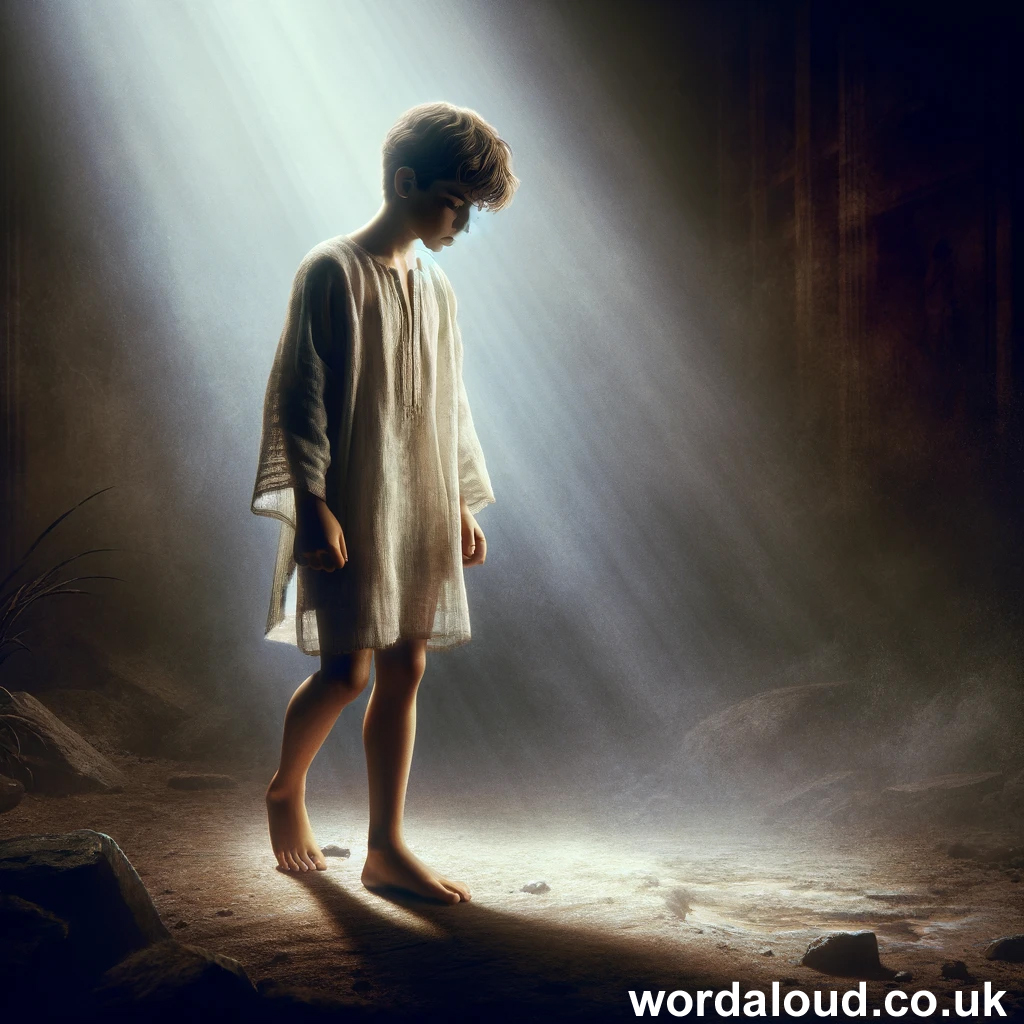
- Questioning God’s Presence: The psalm opens by asking why God seems distant during times of trouble and challenges.
- Oppression of the Vulnerable: The psalm describes how the wicked, driven by pride, mistreat and persecute the poor and vulnerable.
- Consequences for Wrongdoers: The psalm expresses hope that the wicked will face the consequences of their own harmful plans.
- Selfish Desires and Materialism: The psalm highlights the wicked’s bragging about their selfish desires and blessings for those who love money, contrasting with God’s values.
- Ignorance of God: The psalm laments how the wicked, due to their pride, ignore God and righteousness.
- Actions Causing Pain: The psalm emphasizes how the wicked’s actions cause suffering and harm, despite their false sense of security.
- Cursing, Lying, and Deceit: The psalm points out the wicked’s negative traits, including cursing, lying, and deceit.
- Secret Plans to Harm: The psalm reveals the wicked’s secretive plans to harm the innocent, drawing a comparison to a hidden predator.
- Divine Intervention: The psalm calls upon God to rise up and help, not forgetting the humble and those in need.
- Divine Awareness: The psalm acknowledges that God sees everything, even when the wicked think they’re safe from consequences.
- Trust in God’s Help: The psalm expresses the poor’s trust in God’s assistance and justice.
- Request to Stop Oppression: The psalm petitions God to halt the wicked’s actions, removing their ability to harm.
- Eternal Sovereignty: The psalm affirms the eternal kingship of the Lord and the eventual downfall of oppressors.
- Listening to the Humble: The psalm concludes by reminding that God listens to the humble, ensuring fairness and stopping oppression.
- Yearning for Justice: Psalm 10 centers on the yearning for justice amidst oppression and highlights the themes of divine intervention, consequences for wrongdoing, and the contrast between wickedness and humility.


In the light of Jesus, we understand that taking the name of the Lord in vain extends beyond the literal misuse of God’s name. It also includes misrepresenting God through our actions, attitudes, and behaviour as His followers. Jesus emphasized the importance of bearing fruit that aligns with the nature of God, saying, ‘By their fruits, you will know them’ (Matthew 7:20, KJV). As his disciples, we are called to embody the values and virtues associated with God’s name [ … ]
The third commandment of the Ten Commandments, ‘Keep holy the Lord’s day,’ is a call to set aside time on a regular basis to rest from one’s daily work and to focus on the worship and service of God. This commandment is often understood to refer to the Christian Sabbath, which is traditionally observed on Sunday, the day of the resurrection of Jesus Christ [ … ]

The poem reflects on human relationship with God through three key dimensions: creation, redemption, and sanctification. Each stanza builds on this progression, portraying Herbert’s journey from origins in divine creation to ultimate aspiration of resting with God. The poem is spare yet purposeful, mirroring simplicity of the poem’s theological focus [ … ]