
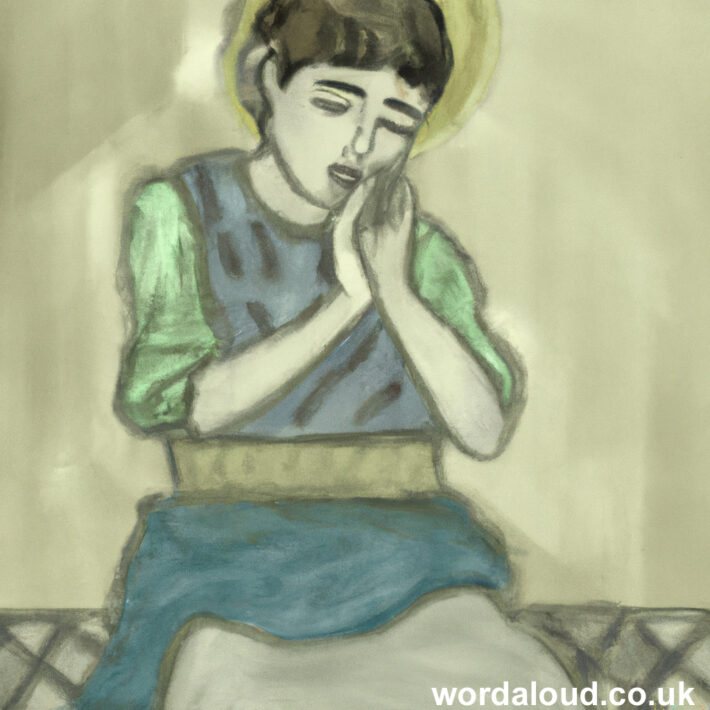
Christian Art | Prayer With Jesus | Psalms | A Penitent Supplicant’s Plea For Healing | King David As A Boy | A Psalm Of Penitence | King James Audio Bible
Psalm 38 | King James Audio Bible
YouTube: Psalm 38 KJV | King James Audio Bible | Word Aloud
Psalm 38 is a heartfelt expression of repentance and a plea for divine assistance in the face of suffering and affliction. Attributed to King David, this psalm vividly portrays the anguish of a soul burdened by sin and illness, seeking God’s mercy and restoration.
Acknowledging Sin and Suffering: Psalm 38 begins with a sober acknowledgment of the psalmist’s condition. It is a cry for help, recognizing that the distress faced is a consequence of personal transgressions. The psalmist describes feeling the weight of sin like arrows piercing the soul, causing physical and emotional suffering.
Physical and Emotional Affliction: The psalmist vividly portrays the physical and emotional pain experienced due to the burden of sin. The imagery of festering wounds, stench, and feebleness reflects the depth of the suffering. This serves as a reminder of the real and tangible consequences of sin on both body and spirit.
Isolation and Hostility: Throughout the psalm, the psalmist expresses a sense of isolation and abandonment. Friends and loved ones keep their distance, and enemies plot against him. This isolation intensifies the psalmist’s longing for God’s presence and intervention.
A Cry for Mercy and Healing: Amidst the suffering and isolation, the psalmist turns to God in earnest prayer. He acknowledges his sin, confesses his wrongdoings, and pleads for God’s mercy and forgiveness. The psalmist recognizes that only God can offer healing and relief from the anguish he faces.
The Assurance of God’s Response: Despite the depth of suffering and the psalmist’s acknowledgment of his own sin, there is an underlying trust in God’s faithfulness. The psalmist believes that God will hear his cries for help and come to his aid. This trust in God’s character and the expectation of divine intervention provide a glimmer of hope amidst the distress.
A Cry for Deliverance: The psalmist closes with a heartfelt plea for God not to forsake him but to hasten to his aid. He acknowledges that God is his salvation, and he seeks deliverance from his adversaries.


Psalm 38 | King James Audio Bible KJV | Love Revealed By Jesus Christ
O Lord, rebuke me not in thy wrath: neither chasten me in thy hot displeasure.
For thine arrows stick fast in me, and thy hand presseth me sore.
There is no soundness in my flesh because of thine anger; neither is there any rest in my bones because of my sin.
For mine iniquities are gone over mine head: as an heavy burden they are too heavy for me.
My wounds stink and are corrupt because of my foolishness.
I am troubled; I am bowed down greatly; I go mourning all the day long.
For my loins are filled with a loathsome disease: and there is no soundness in my flesh.
I am feeble and sore broken: I have roared by reason of the disquietness of my heart.
Lord, all my desire is before thee; and my groaning is not hid from thee.
My heart panteth, my strength faileth me: as for the light of mine eyes, it also is gone from me.
My lovers and my friends stand aloof from my sore; and my kinsmen stand afar off.
They also that seek after my life lay snares for me: and they that seek my hurt speak mischievous things, and imagine deceits all the day long.
But I, as a deaf man, heard not; and I was as a dumb man that openeth not his mouth.
Thus I was as a man that heareth not, and in whose mouth are no reproofs.
For in thee, O Lord, do I hope: thou wilt hear, O Lord my God.
For I said, Hear me, lest otherwise they should rejoice over me: when my foot slippeth, they magnify themselves against me.
For I am ready to halt, and my sorrow is continually before me.
For I will declare mine iniquity; I will be sorry for my sin.
But mine enemies are lively, and they are strong: and they that hate me wrongfully are multiplied.
They also that render evil for good are mine adversaries; because I follow the thing that good is.
Forsake me not, O Lord: O my God, be not far from me.
Make haste to help me, O Lord my salvation.

Key Themes Of The Psalm For Reflection | Love Revealed By Jesus Christ
- Acknowledgment of Sin and Guilt: The psalmist openly admits his wrongdoing and recognizes the impact of sin on his life.
- Physical and Emotional Suffering: The psalmist vividly describes the physical and emotional pain that accompanies the burden of sin, using imagery of wounds, stench, and feebleness.
- Isolation and Abandonment: The psalmist conveys a sense of isolation as friends and loved ones distance themselves, while enemies plot against him.
- Plea for God’s Mercy: Amidst suffering, the psalmist turns to God, confessing his sins and earnestly seeking divine mercy and forgiveness.
- Trust in God’s Faithfulness: Despite the suffering and guilt, there is an underlying trust in God’s character and faithfulness, with the expectation that God will hear his cries for help.
- Expectation of Divine Intervention: The psalmist believes that God will come to his aid and deliver him from his adversaries, serving as a source of hope in his distress.


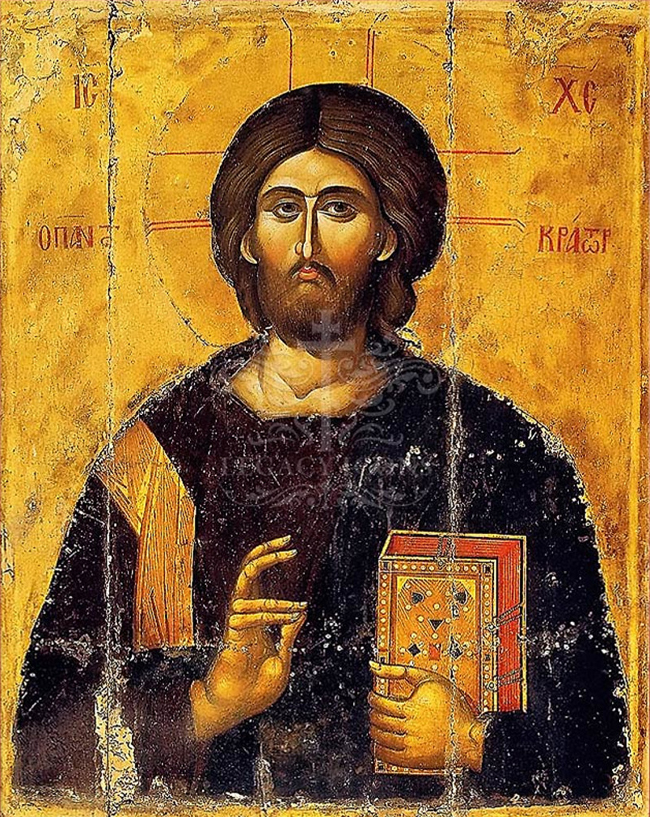
Christian Art | Life Of Jesus In The Gospels | King James Audio Bible KJV The Gospel Of Saint John 14: 1-7 | King James Audio Bible YouTube: Connection With The Life Of Jesus In The Gospels | King James Audio Bible The Gospels are not just a collection of stories or teachings, but a window into the life of Jesus. By reading and reflecting on the Gospels, we gain a deeper understanding of who Jesus was and what he came to do. As we read the Gospels, we see that Jesus was a man of great compassion and love. Jesus showed mercy to the outcasts and the marginalized, and he offered healing and hope to those who were in need. He also taught with authority, challenging the religious leaders of his day and offering a new way of living based on love and service. But the Gospels are not just a history lesson. They are also an invitation for us to enter into a relationship with Jesus. By reading and meditating on the Gospels, we can come to know Jesus more personally and deeply. We can learn from his example and seek to follow in his footsteps. So we may be encouraged to read the Gospels, perhaps starting with the Gospel of Mark or the Gospel of John, as we read paying attention to how Jesus interacted with others and how he responded to different situations. We may ask ourselves what you can learn from his words and actions, and how we can apply them to our own lives. And as we read, we can allow ourselves to be drawn into a closer relationship with Jesus. There truly is an historical Jesus. May the Gospels be a source of guidance, inspiration, and transformation for us all. How Much In The Gospels Is Historical, And How Much Is Myth, Legend, Trope, Figurative Thinking? It is difficult to say with certainty how much of the Gospels is historical in the modern sense of the word and how much is myth, legend, trope, or figurative thinking. The Gospels were written some years after the events they describe, and they were written from the perspective of the early Christian community. This means that the Gospels may contain a mix of historical facts and interpretation, as well as elements of myth, legend, and figurative thinking. That being said, scholars believe that the Gospels contain a good deal of historical information. For example, the Gospels describe specific places and events, such as the places where Jesus preached and the events of his trial and Crucifixion. These details suggest that the writers of the Gospels had access to historical information and intended to provide an accurate account of what happened. On the other hand, the Gospels also contain elements that are not seen by all as historical, howsoever this goes to the root of the faith, such as the miracles performed by Jesus and the accounts of his resurrection. Some see these as legends or myths that were added to the Gospels to help convey the message of the early Christian community. The question of how much of the Gospels is historical and how much is myth, legend, or figurative thinking is complex. What is important is that we approach the Gospels with an open mind and a willingness to engage with the stories and teachings they contain. We are in the Gospels in conversation with God – and with the many people who have had such faith and conversations – as with the historical Jesus. Why Do The Gospels Say Were People Afraid Of Jesus? There are several reasons why people may have been afraid of Jesus, according to the Gospels. One reason is that Jesus was a powerful and charismatic figure who challenged the religious and political authorities of his time. He spoke out against corruption and injustice, and he called on people to repent and turn to God. This type of behaviour was seen as threatening by those in positions of power, and they may have been afraid of losing their influence or authority. Another reason is that Jesus performed many miracles, such as healing the sick and casting out demons. These miracles were seen as evidence of his divine power, and they may have made people afraid of him. Some people may have been afraid of being healed or possessed by Jesus, while others may have been afraid of what would happen if they did not believe in him. Finally, some people may have been afraid of Jesus because of the prophecies and expectations of the coming of a messiah. The Jews of Jesus’ time were looking for a saviour who would deliver them from oppression and establish a kingdom of God on earth. When Jesus arrived on the scene, he may have been seen as a threat to the status quo, and some people may have been afraid of what he might do. Might The Fear Be Related To The Fear Of God – The Injunction To Fear God? Yes, it is possible that the fear of Jesus mentioned in the Gospels may be related to the fear of God. In the Old Testament, the fear of God is often used to describe a deep reverence and awe for God, as well as a sense of humility and obedience in the face of his greatness. This fear of God is seen as a positive and necessary quality for a faithful believer, and it is often linked to the idea of fearing God’s punishment or judgement. In the New Testament, the fear of God is also mentioned, but it is often portrayed in a more positive light. For example, in the Gospel of Luke, Jesus tells his followers not to be afraid of those who can only kill the body, but to fear God, who can destroy both body and soul (Luke 12:4-5). This suggests that the fear of God is not just about punishment, but about a deep respect for […]

The Sabbath is rooted in God’s own example. After creating the heavens and the earth in six days, God rested on the seventh day and blessed it, setting it apart as a holy day (Genesis 2:2-3). This pattern of rest and blessing established the foundation for the observance of the Sabbath [ … ]
Dear Jesus, grant me peace of mind, which means a quiet and calm heart. I ask for freedom from anxiety, which is when my mind feels worried and afraid. I long to experience a sense of serenity and tranquillity. Please wrap me in your loving presence and remove the burdens that weigh me down. Fill my thoughts with positivity and assurance, knowing that you are always with me. Help me find rest in your comforting embrace, knowing that I am safe and protected. Thank you, Jesus, for your unwavering love and for granting me peace of mind. In your name, I pray. Amen [ … ]