
Christian Art | Prayer With Jesus | Psalms | Prayer For The Downfall Of Israel’s Enemies | King David As A Boy | Audio KJV | Love Revealed By Jesus Christ | King James Audio Bible
Psalm 129 | King James Audio Bible
YouTube: Psalm 129 KJV | King James Audio Bible
Psalm 129, a song of ascents, emerges from the depths of Israel’s collective experience, chronicling a history of affliction and deliverance. The Psalmist, speaking for Israel, opens with a refrain that becomes a testament to enduring resilience: ‘Many a time have they afflicted me from my youth.’ This line, repeated for emphasis, sets a tone of perseverance against a backdrop of persistent adversity.
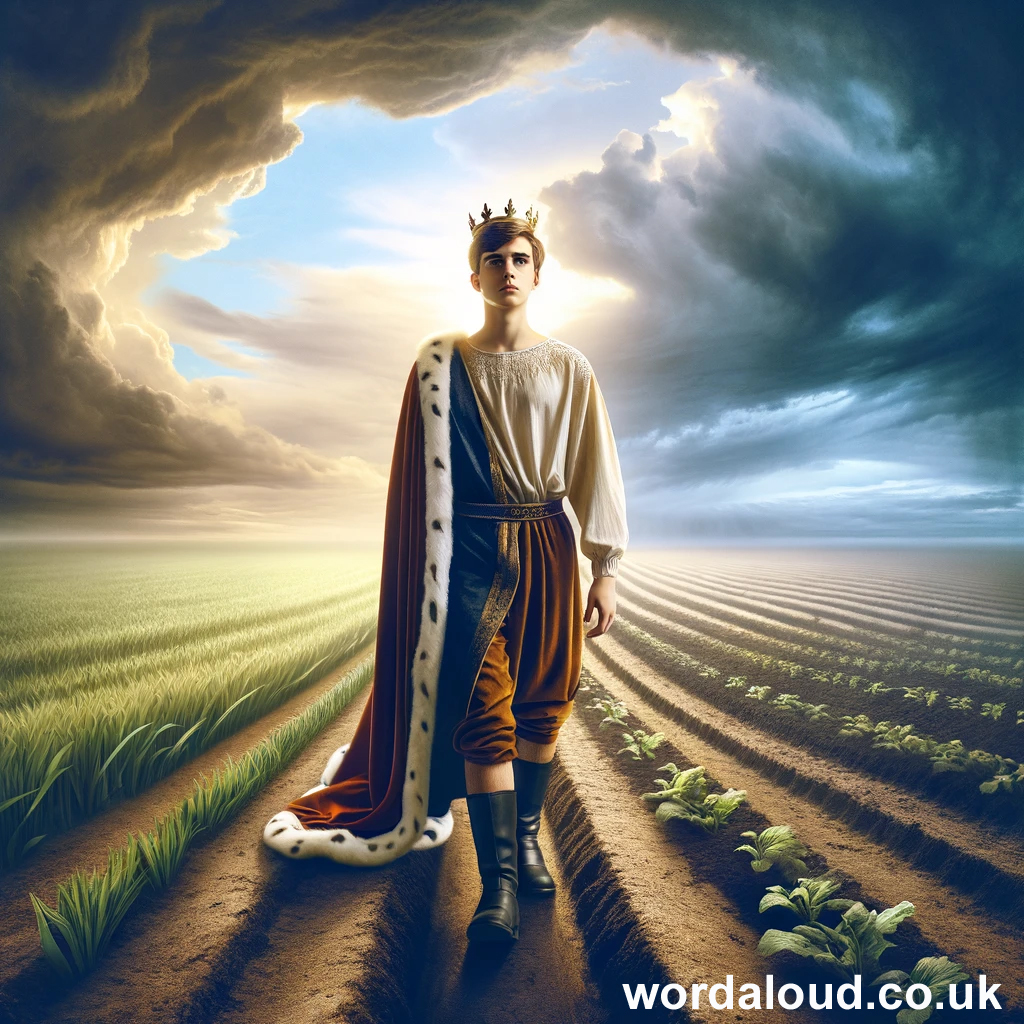
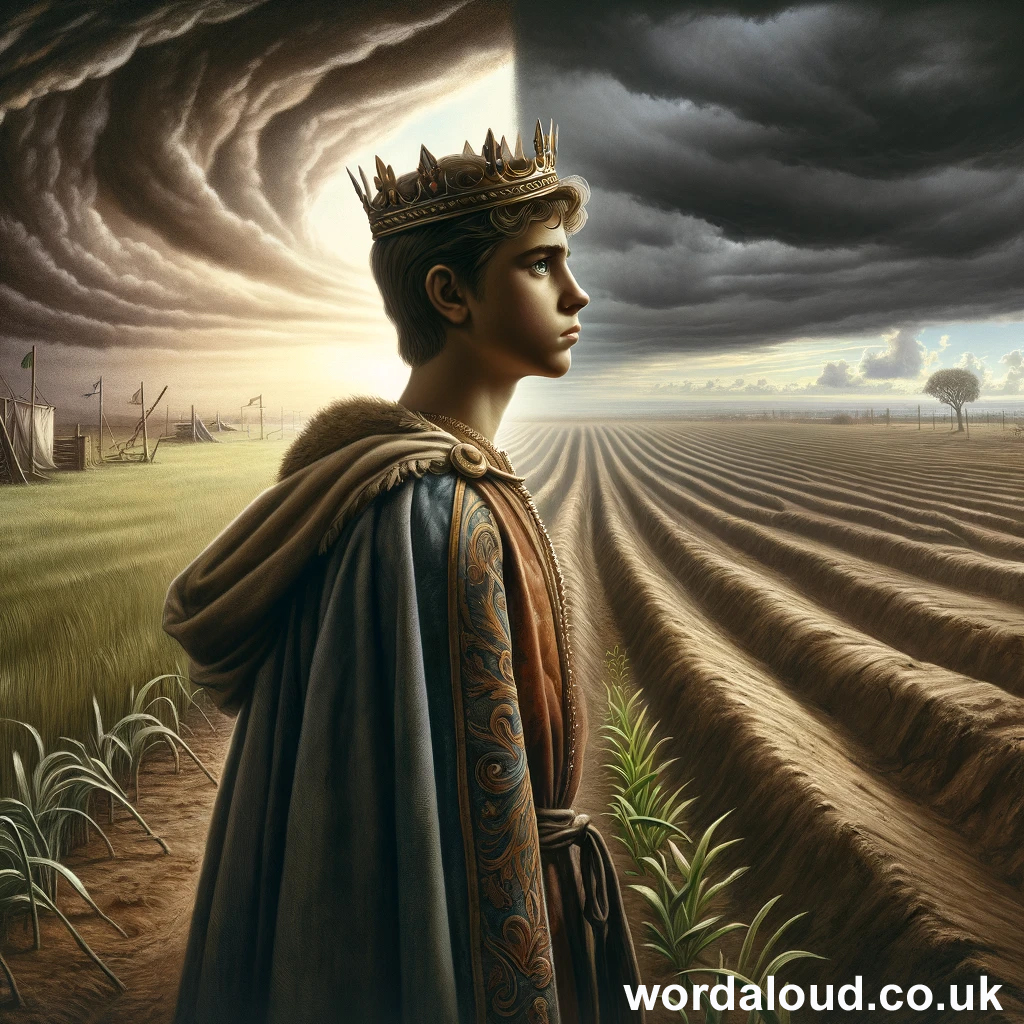
The psalm unfolds in a rhythmic narrative, where each verse contributes to a portrait of suffering and divine intervention. The use of agricultural metaphors, particularly in the verse, ‘The plowers plowed upon my back: they made long their furrows,’ paints a vivid picture of oppression. This metaphor not only signifies the physical toil and suffering but also alludes to a deeper, almost invasive form of persecution, one that scars the very back of the nation.
In a swift transition, the psalmist declares, ‘The LORD is righteous: he hath cut asunder the cords of the wicked.’ This verse marks a turning point in the psalm, shifting the focus from the affliction of the people to the righteous intervention of God. It is a statement of faith in the just nature of God, a belief that God intervenes to sever the bonds imposed by the wicked.
The subsequent verses, ‘Let them all be confounded and turned back that hate Zion’ and ‘Let them be as the grass upon the housetops, which withereth afore it groweth up,’ invoke images of futility and defeat for the adversaries of Zion. The comparison of the enemies to grass on the rooftops, which withers before it can grow, underscores the ineffectiveness and transient nature of their efforts against God’s people.
In a particularly striking image, the psalmist describes the futility of the wicked’s endeavours: ‘Wherewith the mower filleth not his hand; nor he that bindeth sheaves his bosom.’ This verse reinforces the theme of the enemies’ fruitless endeavours, as it portrays their actions as so inconsequential that they do not yield enough to fill the hand of a mower or the arms of one binding sheaves.
The psalm concludes with a verse that shifts from the depiction of adversaries to a blessing for those who pass by: ‘Neither do they which go by say, The blessing of the LORD be upon you: we bless you in the name of the LORD.’ This final verse serves as a contrast to the previous imprecations, offering a glimpse into the communal aspect of blessings and invoking the name of the LORD as a source of ultimate benediction.
Throughout Psalm 129, the psalmist weaves a narrative of affliction, resilience, and divine justice. The repetitive structure, coupled with vivid metaphors, imbues the psalm with a rhythmic quality that underscores its themes. Each verse builds upon the last, creating a crescendo of faith and conviction in the righteousness of the LORD. The psalm serves not only as a historical reflection of Israel’s trials but also as a timeless expression of faith in the face of adversity.

Psalm 129 | King James Audio Bible
Many a time have they afflicted me from my youth, may Israel now say:
Many a time have they afflicted me from my youth: yet they have not prevailed against me.
The plowers plowed upon my back: they made long their furrows.
The LORD is righteous: he hath cut asunder the cords of the wicked.
Let them all be confounded and turned back that hate Zion.
Let them be as the grass upon the housetops, which withereth afore it groweth up:
Wherewith the mower filleth not his hand; nor he that bindeth sheaves his bosom.
Neither do they which go by say, The blessing of the LORD be upon you: we bless you in the name of the LORD.
Psalm 129 | King James Audio Bible
- Resilience In The Face Of Adversity: Psalm 129 highlights the persistent struggles faced by Israel from its youth, symbolizing the enduring strength and resilience of a nation repeatedly afflicted. This theme underscores the belief that through enduring faith and perseverance, adversity can be overcome.
- Divine Justice And Righteousness: The psalm emphasizes the righteousness of the LORD and His role in delivering justice, particularly by cutting asunder the cords of the wicked. The psalm portrays a deep trust in divine intervention and the moral order upheld by God.
- Futility Of Oppression: The imagery of oppressors being like grass that withers before it grows signifies the ultimate futility and transient nature of efforts against God’s chosen people. This theme reflects on the ineffectiveness of persecution and the eventual triumph of good over evil.
- Contrast Between The Wicked And The Blessed: By depicting the enemies as ephemeral grass and contrasting them with the recipients of God’s blessings, the psalm draws a stark contrast between the destinies of the wicked and the righteous. It suggests that while the wicked may flourish temporarily, their end is barren and unfruitful.
- Communal Aspects Of Suffering And Blessing: The psalm not only speaks of individual affliction and deliverance but also extends its narrative to the community, highlighting the collective experience of suffering and the shared blessings of the faithful. It reinforces the idea of communal solidarity in the face of hardship and the communal nature of blessings.
- Affirmation Of Faith Amid Trials: Throughout the psalm, there is a strong affirmation of faith, despite the trials and tribulations faced by the people. This theme resonates with the idea that steadfast faith is crucial in navigating through times of trouble and is a source of strength and hope.



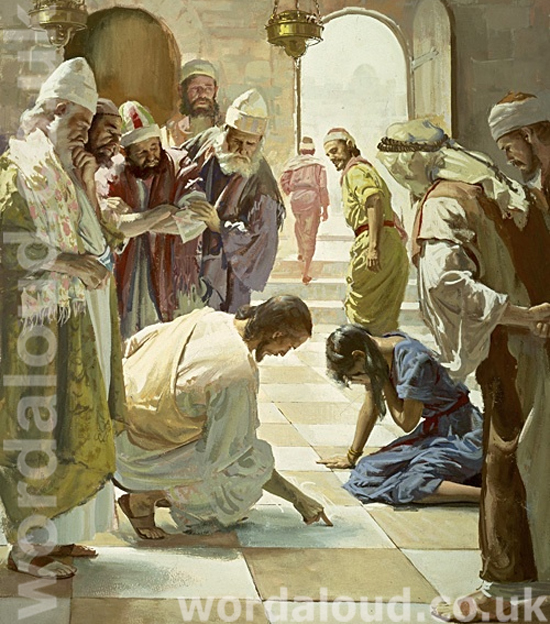
In this passage, Saint John Chrysostom sets out five distinct ‘paths’ by which Christians may repent of sin. His approach is notable for its simplicity and accessibility. He does not treat repentance as a single act confined to sacramental confession or to extraordinary ascetical practice, but as a set of daily habits open to every believer, regardless of wealth or circumstance [ … ]

The poem presents an image of a fallen soldier in the snow, as his comrades try to move him into the sun in hopes of reviving him. This act becomes a metaphor for futile efforts of better-humanity to counteract ridiculous war and death. The poem juxtaposes the soldier’s past experiences of the sun’s warmth and life-giving qualities with the current reality of his lifeless state, highlighting stark contrast [ … ]
Psalm 55 is a heartfelt and poignant prayer, a cry for divine help in a time of profound distress and betrayal. The psalmist beseeches God to listen to his supplication, expressing deep anguish caused by treachery of enemies and weight of oppression [ … ]