
Christian Art | Prayer With Jesus Christ
Office Of Readings | Week 10, Saturday, Ordinary Time | A Reading From The Discourse Of Saint Ambrose On The Psalms | I Will Sing With The Spirit And I Will Sing With The Mind Also
‘I shall sing in spirit and with understanding.’
‘I Shall Sing In Spirit, And With Understanding’
Saint Ambrose begins his meditation on the Psalms by praising their special role in Scripture: not simply as theological texts, but as a unique blending of prayer, beauty, and doctrine. He writes that a psalm is ‘a blessing on the lips’, ‘a cry of happiness’, and ‘a promise of peace and harmony’. Such language reflects the early Christian sense that the Psalms were the heartbeat of both private devotion and public worship — the school of prayer, to use a phrase echoed by Saint Augustine and, centuries later, by Pope Benedict XVI.
Historical And Theological Context
In the 4th century, when Ambrose was Bishop of Milan, Christianity had emerged from persecution into imperial favour. The Psalms, long central to Jewish worship, became a cornerstone of Christian liturgy and monastic life. Ambrose introduced antiphonal singing into the Latin West and was deeply invested in using sacred music as a means of forming the heart and mind in God.
He saw the Psalms as more than sacred poetry. They were, he says, ‘a gymnasium for the soul’ — a place of training in virtue, confession, praise, and lament. In a largely oral culture, the psalms offered a way of internalising Scripture through song. For Ambrose, singing the Psalms was not entertainment, but edification: a source of strength by day, and solace by night.
Patristic Comparisons
Ambrose’s esteem for the Psalms is echoed by Saint Augustine, who considered them the voice of Christ speaking in and through the Church. Like Ambrose, Augustine believed that in the Psalms we find every human emotion made holy by being directed to God. He wrote, ‘If the Psalm prays, you pray; if it laments, you lament; if it rejoices, you rejoice.’
Ambrose also draws directly from Saint Paul, referencing 1 Corinthians 14:15 — ‘I will sing with the spirit, and I will sing with the understanding also’. This Pauline exhortation affirms the union of devotion and intellect, of feeling and faith, which is so central to Ambrose’s theology. For him, the psalmist is not only a singer but a prophet and teacher; his music teaches as it moves.
Musical And Spiritual Imagery
Ambrose’s most powerful image is that of the Christian soul as a lyre. Just as David used the ‘dead gut of strings’ to produce harmony, so must the believer die to sin and let virtue create harmony in their life. The music of the Psalms is not merely audible — it is lived. It is the song of repentance, thanksgiving, justice, and love.
This musical vision is deeply theological. Ambrose suggests that true harmony comes not from vocal talent but from the sanctified life. The Christian, by tuning their soul to the divine will, becomes a living psalm — a song of praise ascending to God. In this way, he presents the Psalter as both mirror and model: it reflects our inner struggles and leads us into the song of heaven.

A Reading From The Discourse Of Saint Ambrose On The Psalms | I Will Sing With The Spirit And I Will Sing With The Mind Also
What is more pleasing than a psalm? David expresses it well: Praise the Lord, for a song of praise is good: let there be praise of our God with gladness and grace. Yes, a psalm is a blessing on the lips of the people, a hymn in praise of God, the assembly’s homage, a general acclamation, a word that speaks for all, the voice of the Church, a confession of faith in song. It is the voice of complete assent, the joy of freedom, a cry of happiness, the echo of gladness. It soothes the temper, distracts from care, lightens the burden of sorrow. It is a source of security at night, a lesson in wisdom by day. It is a shield when we are afraid, a celebration of holiness, a vision of serenity, a promise of peace and harmony. It is like a lyre, evoking harmony from a blend of notes. Day begins to the music of a psalm. Day closes to the echo of a psalm.
In a psalm, instruction vies with beauty. We sing for pleasure. We learn for our profit. What experience is not covered by a reading of the psalms? I come across the words: A song for the beloved, and I am aflame with desire for God’s love. I go through God’s revelation in all its beauty, the intimations of resurrection, the gifts of his promise. I learn to avoid sin. I see my mistake in feeling ashamed of repentance for my sins.
What is a psalm but a musical instrument to give expression to all the virtues? The psalmist of old used it, with the aid of the Holy Spirit, to make earth re-echo the music of heaven. He used the dead gut of strings to create harmony from a variety of notes, in order to send up to heaven the song of God’s praise. In doing so he taught us that we must first die to sin, and then create in our lives on earth a harmony through virtuous deeds, if the grace of our devotion is to reach up to the Lord.
David thus taught us that we must sing an interior song of praise, like Saint Paul, who tells us: I shall pray in spirit, and also with understanding; I shall sing in spirit, and also with understanding. We must fashion our lives and shape our actions in the light of the things that are above. We must not allow pleasure to awaken bodily passions, which weigh our soul down instead of freeing it. The holy prophet told us that his songs of praise were to celebrate the freeing of his soul, when he said: I shall sing to you, God, on the Lyre, holy one of Israel; my lips will rejoice when I have sung to you, and my soul also, which you have set free.
Prayer With Jesus
Lord God,
You have given us the Psalms as a sacred songbook for the journey of faith.
Through their words, may we learn to weep with the sorrowful, rejoice with the faithful, and praise You with a heart made clean.
Teach us to sing with the spirit and with understanding,
That our lives may echo the harmony of Your peace,
And our actions be music rising to Your throne.
Through Jesus Christ our Lord. Amen.
Glossary Of Christian Terms
- Psalm: A sacred song or hymn, particularly one of the 150 in the biblical Book of Psalms, traditionally attributed to King David.
- Psalter: Another term for the Book of Psalms, often used to refer to versions arranged for liturgical use.
- Antiphonal singing: A method of singing where two groups or choirs alternate verses or phrases.
- Catechesis: Religious instruction given to a person in preparation for Christian baptism or confirmation.
- Lyre: A stringed instrument used in ancient times, often associated with King David in the biblical tradition.
- Die to sin: A theological expression referring to turning away from sinful behaviours and embracing a new life in Christ.
- Harmony (spiritual): In this context, living in alignment with God’s will, producing a life of virtue and peace.



We are taught to use the great gifts God has given us, not to bury our abilities, to take risks, not to be afraid of your Master, to work the gifts we have received to bear fruit for God and the Kingdom, to open ourselves fully to God in the spirit of the New Law, then the Kingdom will grow and welcome all of us. In the Parable of the Talents, the gifts each servant receives are not identical [ … ]
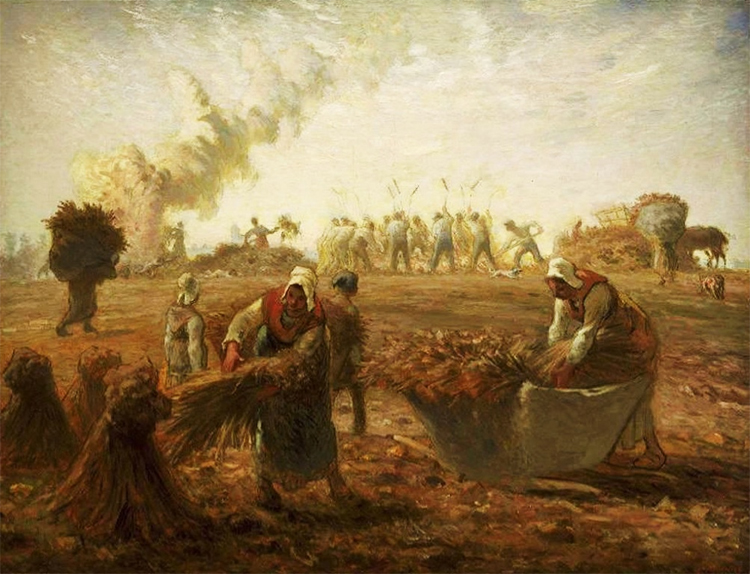
The householder has sown good seed in his field. It is the enemy who has come to corrupt the crop, sowing weeds among the wheat. The weed, cockle, would look very like wheat and could easily be mistaken for wheat until the ears appeared. If ground with the wheat, the flour would be contaminated and the bread nauseas to eat. In the East, personal vengeance might take the form of sowing cockle among an enemy’s wheat [ … ]
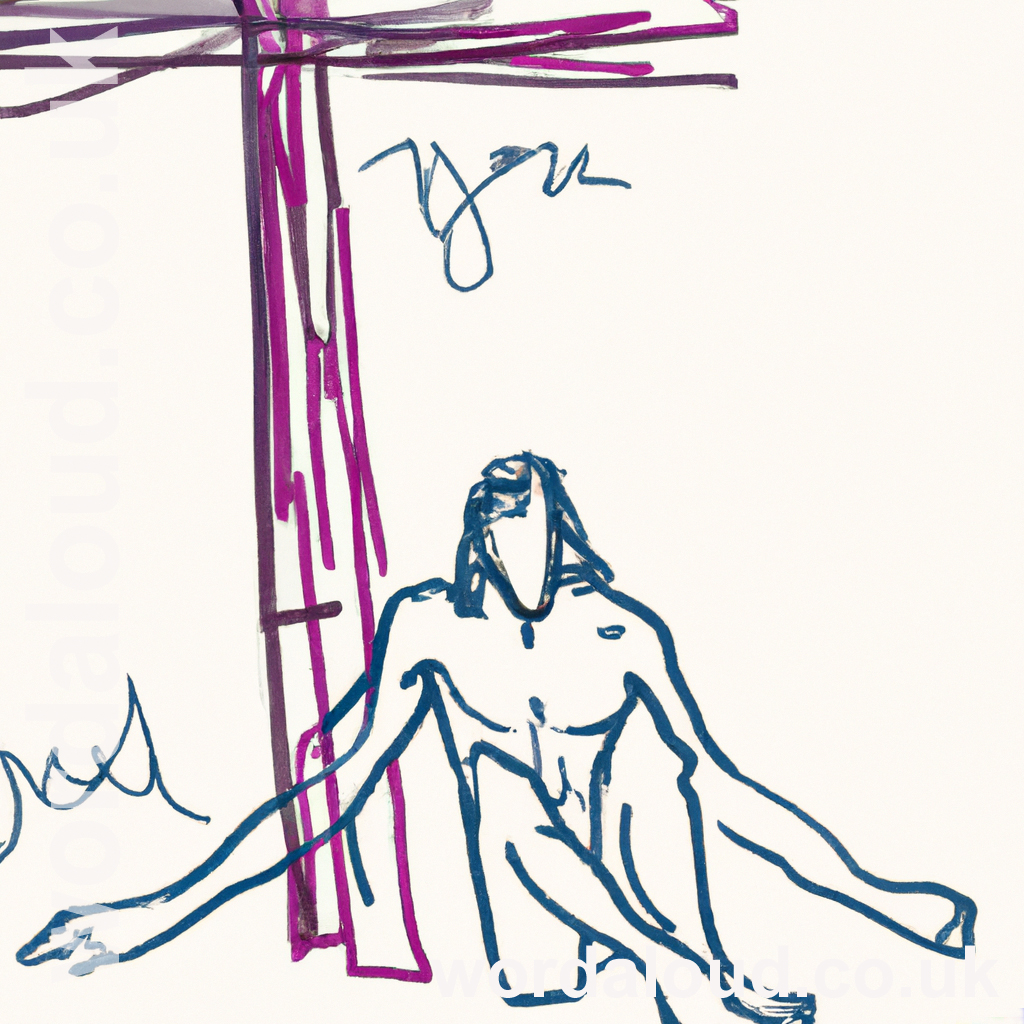
Lord Jesus, I come before you with a weary heart and a burdened soul. Life’s challenges have left me feeling tired and overwhelmed. I seek your comforting presence and the rest that only you can provide. Please grant me your peace, renew my strength, and carry my burdens as I surrender them into your loving hands. In Your name, I find solace and find rest for my weary soul. Amen [ … ]