

Christian Art | Prayer With Jesus | The Psalms | Love Revealed By Jesus | Image By Dall-E
Psalm 1 | King James Audio Bible
Here is a link to Psalm 1 KJV on YouTube: Psalm 1 KJV Audio | King James Audio Bible
The psalm acts as a guide, showing us two different ways to live our lives. It’s like a roadmap for making good choices.
Imagine there are two paths before you. One path is full of good things – like trees with fruits – and it leads to happiness and success. The other path is more like dust in the wind – it doesn’t lead anywhere good.
The psalm encourages us to be like trees planted by a stream. Trees need water to grow strong and healthy, just like we need good influences and teachings to become better people. The stream represents God’s guidance, which gives us strength and wisdom.
The psalm also talks about avoiding bad company. It’s like saying, ‘Don’t hang out with people who encourage you to do the wrong things.’ Instead, surround yourself with those who inspire you to be kind and honest.
Psalm 1 is about making choices that lead to a good life. It’s about seeking guidance from teachings and people who uplift us. This psalm reminds us that the way we choose to live matters – it can either lead us to happiness and growth, or to a place of emptiness. So let’s walk the path of goodness, just like those strong trees by the stream.
Psalm 1 | King James Audio Bible KJV
Blessed is the man that walketh not in the counsel of the ungodly, nor standeth in the way of sinners, nor sitteth in the seat of the scornful.
But his delight is in the law of the Lord; and in his law doth he meditate day and night.
And he shall be like a tree planted by the rivers of water, that bringeth forth his fruit in his season; his leaf also shall not wither; and whatsoever he doeth shall prosper.
The ungodly are not so: but are like the chaff which the wind driveth away.
Therefore the ungodly shall not stand in the judgment, nor sinners in the congregation of the righteous.
For the Lord knoweth the way of the righteous: but the way of the ungodly shall perish.
Key Themes Of The Psalm For Reflection | Love Revealed
- Two Paths: The psalm presents a clear contrast between two ways of living: one that follows righteousness and one that leads to wickedness.
- Blessedness: The concept of being “blessed” is introduced, describing the happiness and well-being of those who choose the path of righteousness.
- Avoiding Negative Influences: The psalm advises against walking in the counsel of the ungodly, standing with sinners, or sitting with the scornful. This emphasizes the importance of surrounding oneself with positive influences.
- Delight in God’s Law: The psalm highlights the joy and fulfillment found in meditating on the law of the Lord day and night. This suggests the value of seeking wisdom from divine teachings.
- Fruitful Life: The imagery of a tree planted by rivers of water portrays a person who flourishes spiritually and bears fruit in due season. This symbolizes a life enriched by God’s guidance.
- Contrasting Outcomes: The psalm contrasts the fate of the righteous with that of the ungodly. The righteous are compared to stable, flourishing trees, while the ungodly are likened to chaff driven by the wind.
- Divine Knowledge: The psalm concludes by stating that the Lord knows the way of the righteous, highlighting the intimate relationship between God and those who follow His ways.
- Perishing of the Ungodly: The psalm ends by emphasizing that the way of the ungodly will ultimately lead to destruction.
- Choice and Consequences: Overall, the psalm underscores the significance of making choices that align with righteousness and the subsequent consequences of those choices.
- Guidance and Wisdom: It emphasizes the role of God’s teachings as a source of guidance and wisdom in making life’s choices.
- Inner Reflection: The call to meditate on God’s law day and night suggests an inner contemplation and mindfulness in aligning one’s thoughts and actions with divine principles.




In this, the Magnificat, Mary’s soul overflows with joy as she contemplates the wonderful blessing God has bestowed on her, surpassing indeed the gifts to any other person in history. Through her obedience and humility, Mary has been magnified herself by the Lord, such that we now recognize her greatness and call her blessed – each day, indeed, as we recite or sing the canticle as part of evening prayer [ … ]
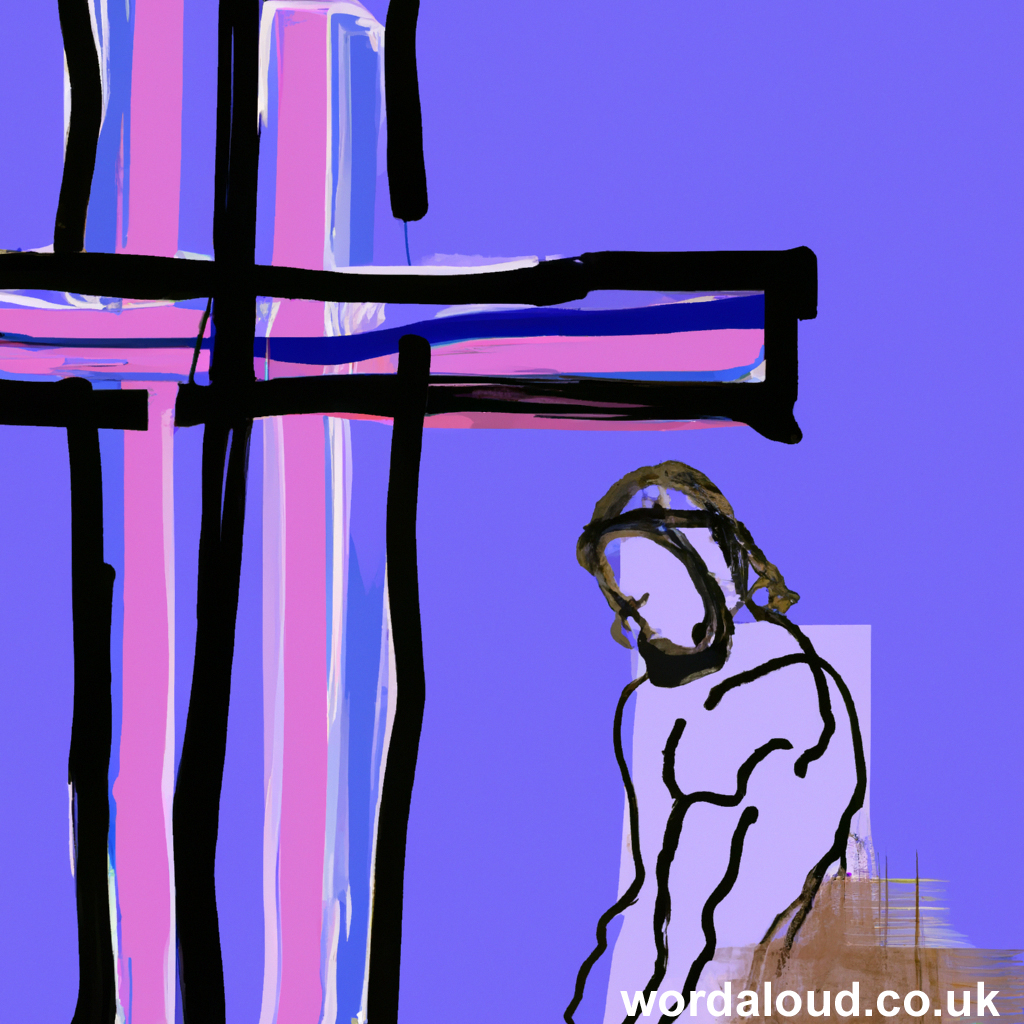
In the Garden of Gethsemane, Jesus humbly surrendered his own desires to trust in God’s plan. Let us learn from Jesus’ example and place our trust in God, knowing that His plan is always best [ … ]
This reading is drawn from one of the Festal Letters of Saint Athanasius of Alexandria (c. 296–373). Each year, the bishop of Alexandria would issue a letter announcing the date of Easter and offering reflections on its theological and spiritual meaning. These letters were deeply pastoral in tone and also rich in doctrinal teaching, reinforcing central truths of Christian faith [ … ]
