
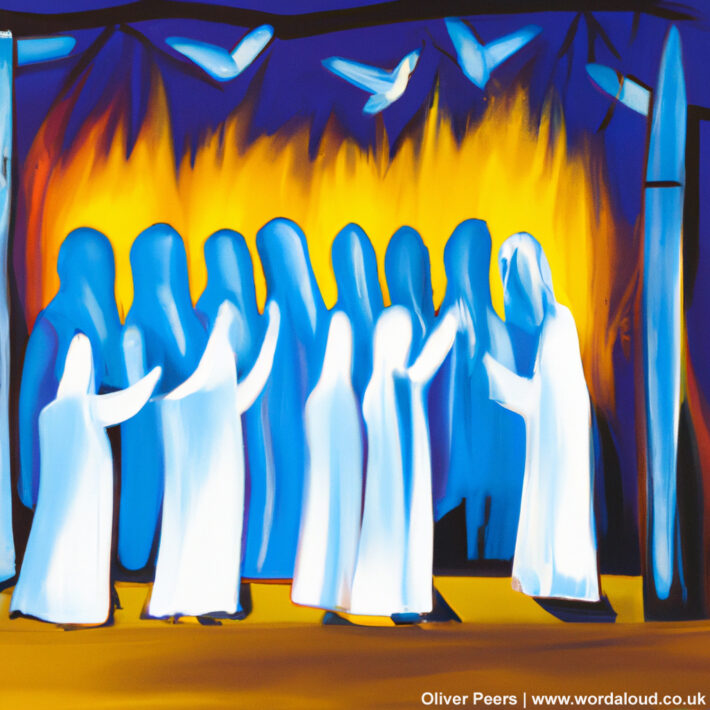
Christian Art | The Holy Spirit At Pentecost
Saint John’s Gospel 16: 5-11 | Audio Bible KJV
The Holy Spirit is the third person of the Holy Trinity.
The Holy Spirit is a person, not a force or energy. The Catechism of the Catholic Church states: ‘The Holy Spirit is a personal and uncreated Love, the source and giver of all holiness.’ (CCC 733) This means that the Holy Spirit is not a thing, but rather a divine person who is coequal with God the Father and Jesus Christ the Son.
The Holy Spirit is referred to as the Paraclete, which means ‘advocate’ or ‘helper.’ The Holy Spirit is also referred to as the Spirit of Truth, the Comforter, and the Spirit of God. The Catechism states: ‘The Holy Spirit is at work with the Father and the Son from the beginning to the completion of the plan for our salvation.’ (CCC 737) This means that the Holy Spirit has always been present and active in the world, working in conjunction with the Father and Son to bring about the salvation of humanity.
7 Gifts Of The Holy Spirit
The seven gifts of the Holy Spirit are wisdom, understanding, counsel, fortitude, knowledge, piety, and fear of the Lord. These gifts are given to Christians through the sacrament of Confirmation, and are meant to aid in their spiritual growth and development. As the Catechism states: ‘The seven gifts of the Holy Spirit are wisdom, understanding, counsel, fortitude, knowledge, piety, and fear of the Lord. They belong in their fullness to Christ, Son of David.’ (CCC 1831)
The gift of wisdom, for example, helps Christians to see things from God’s perspective, while the gift of fortitude gives Christians the strength to endure difficulties and hardships in life. These gifts are meant to help Christians live a life that is in accordance with God’s will, and to become more fully conformed to the image of Christ.
Gifts and fruits of the Holy Spirit
While the gifts of the Holy Spirit are given to Christians to aid in their spiritual growth and development, the fruits of the Holy Spirit are the result of a Christian living a life in accordance with the teachings of Jesus Christ. The fruits of the Holy Spirit are love, joy, peace, patience, kindness, goodness, faithfulness, gentleness, and self-control. The Catechism states: ‘The fruits of the Spirit are perfections that the Holy Spirit forms in us as the first fruits of eternal glory.’ (CCC 1832)
Saint Paul wrote about the fruits of the Holy Spirit in his letter to the Galatians, stating: ‘But the fruit of the Spirit is love, joy, peace, longsuffering, gentleness, goodness, faith, meekness, temperance: against such there is no law.’ (Galatians 5:22-23, KJV) This passage highlights the transformative power of the Holy Spirit in the lives of believers, as they become more loving, joyful, peaceful, patient, kind, good, faithful, gentle, and self-controlled.
Role Of The Holy Spirit In The Church | Charisms
The Holy Spirit plays a vital role in the Church, as the source of the Church’s authority and guidance. The Holy Spirit is present in the sacraments, particularly in the Eucharist, where the Holy Spirit transforms bread and wine into the body and blood of Jesus Christ. The Catechism of the Catholic Church states: ‘The Holy Spirit is the Church’s living memory.’ (CCC 1099) This means that the Holy Spirit helps the Church to remember and understand the teachings of Jesus Christ, and to pass them on to future generations.
The Holy Spirit is also active in the Church through the gifts and fruits that are given to believers. These gifts and fruits help individuals to discern God’s will, to live a life of holiness, and to serve the Church and the world. The Catechism of the Catholic Church states: ‘The Holy Spirit enriches the Church with different charisms.’ (CCC 799) These charisms are unique gifts that are given to individuals for the good of the Church and the world.
The Holy Spirit In The Life Of Christians
As Christians, it is important for us to cultivate a relationship with the Holy Spirit and to be open to the gifts and fruits that the Spirit offers. This requires a willingness to surrender our own desires and to allow the Holy Spirit to work in our lives. As the hymn ‘Holy Spirit, You Are Welcome Here’ expresses, we should invite the Holy Spirit to come into our lives and transform us:
Holy Spirit, You are welcome here
Come flood this place and fill the atmosphere
Your glory, God, is what our hearts long for
To be overcome by Your presence, Lord
Through prayer, worship, and the practice of the Christian virtues, we can cultivate a deeper relationship with the Holy Spirit and allow the Spirit to work in our lives in powerful ways. In this way, we can become more fully alive in Christ and better equipped to serve the Church and the world.
The Holy Spirit In The New Testament
The Holy Spirit is mentioned numerous times in the New Testament. In the Gospel of Luke, the Holy Spirit is mentioned as playing a key role in the conception and birth of Jesus. In Luke 1:35, the angel Gabriel tells Mary: ‘The Holy Ghost shall come upon thee, and the power of the Highest shall overshadow thee: therefore also that holy thing which shall be born of thee shall be called the Son of God.’ This passage emphasizes the divinity of Jesus and the role of the Holy Spirit in his conception.
In the Gospel of John, Jesus speaks extensively about the Holy Spirit, referring to the Spirit as the ‘Comforter’ or ‘Advocate’ who will come after Jesus has left his disciples. In John 14:16-17, Jesus says: ‘And I will pray the Father, and he shall give you another Comforter, that he may abide with you forever; Even the Spirit of truth; whom the world cannot receive, because it seeth him not, neither knoweth him: but ye know him; for he dwelleth with you, and shall be in you.’ This passage emphasizes the ongoing presence of the Holy Spirit with believers and the role of the Spirit as a source of comfort and truth.
In the Book of Acts, the Holy Spirit is portrayed as a powerful force that empowers believers to carry out the mission of the Church. In Acts 2:1-4, we read about the day of Pentecost, when the Holy Spirit descended upon the disciples and gave them the ability to speak in tongues and proclaim the Gospel to people of all nations. This event marks the beginning of the Church and emphasizes the role of the Holy Spirit in empowering believers to carry out the mission of Christ in the world.
The Apostle Saint Paul writes extensively about the Holy Spirit, emphasizing the role of the Spirit in the spiritual growth and development of believers. In Galatians 5:22-23, Paul writes: ‘But the fruit of the Spirit is love, joy, peace, longsuffering, gentleness, goodness, faith, meekness, temperance: against such there is no law.’ This passage emphasizes the fruits of the Holy Spirit, which enable believers to live a life that is in accordance with God’s will.
In addition to the fruits of the Holy Spirit, Paul also writes about the gifts of the Holy Spirit. In 1 Corinthians 12:4-11, Paul lists a variety of gifts that are given to believers for the good of the Church, including prophecy, healing, and speaking in tongues. This passage emphasizes the diversity of gifts that are given by the Holy Spirit and the importance of using these gifts for the benefit of the Church.
The Catholic Church places great emphasis on the sacraments as a means of receiving the Holy Spirit. Through the sacraments of Baptism and Confirmation, believers are given the gift of the Holy Spirit and are empowered to carry out the mission of the Church. The Catechism states: ‘Through the sacraments of Christian initiation, man receives the new life of Christ. Now we carry this life “in earthen vessels” and it remains “hidden with Christ in God”. We are still in our “earthly tent”, subject to suffering, illness, and death. This new life as a child of God can be weakened and even lost by sin.’ (CCC 1262)
Overall, the Holy Spirit is central to the Christian faith, and is seen as a vital source of power and guidance for believers. Both the New Testament and the Catholic Church emphasize the role of the Holy Spirit in empowering believers to carry out the mission of Christ in the world, and place great emphasis on the gifts and fruits of the Spirit as evidence of the Spirit’s presence in a believer’s life. Through prayer, worship, and the practice of the Christian virtues, believers can cultivate a deeper relationship with the Holy Spirit and allow the Spirit to work in their lives in powerful ways.
In John 14:26, Jesus promises his disciples that the Holy Spirit will be sent to them as a comforter and guide: ‘But the Comforter, which is the Holy Ghost, whom the Father will send in my name, he shall teach you all things, and bring all things to your remembrance, whatsoever I have said unto you.’
In Romans 8:26-27, Saint Paul writes: ‘Likewise the Spirit also helpeth our infirmities: for we know not what we should pray for as we ought: but the Spirit itself maketh intercession for us with groanings which cannot be uttered. And he that searcheth the hearts knoweth what is the mind of the Spirit, because he maketh intercession for the saints according to the will of God.’
The Catechism states, ‘The Holy Spirit is the soul of the Church. It is he who explains to the faithful the deep meaning of the teaching of Jesus and of his mystery. It is the Holy Spirit who, today just as at the beginning of the Church, acts in every evangelizer who allows himself to be possessed and led by him. The Holy Spirit places the Church, Christ’s Body, before inexhaustible horizons.’ (CCC 797)
Protestant Perspectives On The Holy Spirit
Theologian and pastor John Piper has written extensively about the Holy Spirit and the gifts and fruits of the Spirit.
In his book Desiring God: Meditations Of A Christian Hedonist, Piper writes: ‘The Holy Spirit is the divine power by which God communicates his own life to men. He is the Spirit of God that quickens, regenerates, renews, and sanctifies. He is the power of God to enable us to obey, to overcome temptation, to love, to pray, to understand the Scriptures, to witness, to serve, to suffer, and to hope.’ (Piper, 2003, p. 135)
Piper also emphasizes the importance of the gifts and fruits of the Holy Spirit, writing: ‘The Holy Spirit produces in us the fruit of love, joy, peace, patience, kindness, goodness, faithfulness, gentleness, and self-control (Galatians 5:22-23). And he gives to us various gifts for the building up of the body of Christ (1 Corinthians 12:7-11).’ (Piper, 2003, p. 136)
Protestant theologian Wayne Grudem has written extensively about the Holy Spirit. In his book Systematic Theology: An Introduction To Biblical Doctrine, Grudem writes: ‘The Holy Spirit is the third person of the Trinity, fully God, coequal and coeternal with the Father and the Son. The Holy Spirit is a person, not an impersonal force or power. He has a mind, emotions, and a will, and he can be grieved by our sin.’ (Grudem, 1994, p. 226)
Grudem also emphasizes the importance of the gifts and fruits of the Holy Spirit, writing: ‘The Holy Spirit gives various gifts to believers for the building up of the church, and he produces in them the fruit of the Spirit as they live in obedience to God’s will. The gifts and fruits of the Spirit are not optional add-ons to the Christian life, but are essential aspects of the Spirit-filled life.’ (Grudem, 1994, p. 767)
Billy Graham And The Holy Spirit
Billy Graham was a prominent American evangelical Christian evangelist and preacher, who was widely regarded as one of the most influential figures in Christianity in the 20th century. In his book The Holy Spirit: Activating God’s Power In Your Life he reflects on the role of the Holy Spirit in the New Testament and in the lives of believers.
Graham emphasizes that the Holy Spirit is the key to understanding and applying the teachings of Jesus Christ, and that it is through the power of the Holy Spirit that believers are able to live transformed lives. He writes:
‘The Holy Spirit is the power source for every believer, and without His power, we cannot live the Christian life. It is through the Holy Spirit that we are transformed into the image of Christ, and it is by His power that we are able to live out the teachings of Jesus.’
Graham also stresses the importance of the Holy Spirit in empowering believers to share the Gospel with the world. He notes that in the book of Acts, the early Christian church was able to spread the message of salvation to the ends of the earth because of the power of the Holy Spirit working in and through them. He writes:
‘The Holy Spirit is the divine agent who empowers believers to bear witness to Jesus Christ. Without His power, we are powerless to share the Gospel with the world. But when we are filled with the Holy Spirit, we are empowered to proclaim the Good News to all people.’
Billy Graham’s teachings on the Holy Spirit emphasize the importance of seeking a deep relationship with the Spirit, and relying on His power and guidance in all aspects of the Christian life. Billy Graham’s insights can be a valuable resource for believers seeking to understand and grow in their relationship with the Holy Spirit.



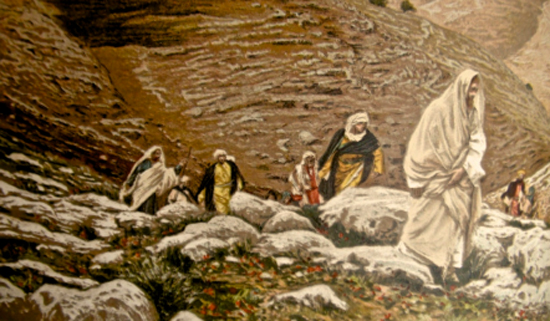
The apostles have returned exhausted and energized to Jesus. They have succeeded in their mission and they are full of the glory of what they have accomplished. They long to tell Jesus all that they have done in Jesus’ name. This is a triumph for the disciples. They long to share [ … ]

Today’s Gospel verses again speak of the conflict between Jesus and the scribes and Pharisees, and again we sense the verses reflecting the breaking away of Christianity from Judaism, and the tensions in the aftermath of the fall of Jerusalem. Jesus’ rebuke of the scribes and Pharisees, the lawyers, is stinging. Jesus associates them with the history of murder of the righteous through Scripture, from the first murder of Abel to the murder of Zechariah, a prophet who died by stoning in Jerusalem around the year 800 BC because he accused the Jewish people of being unfaithful to God’s law (cf. 2 Chronicles 24: 20-22) [ … ]
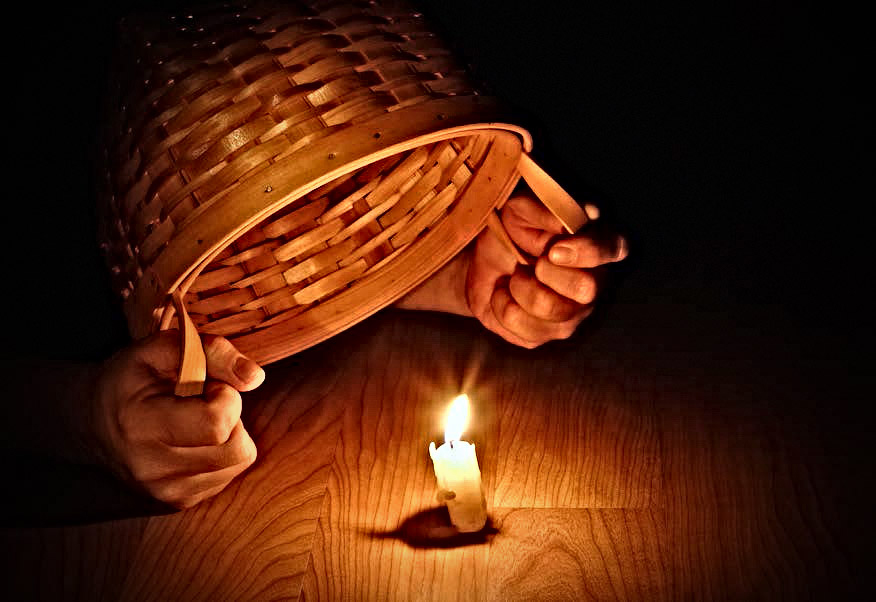
We are called as Christians not only to love God and to offer our days to Him, but also to shine as a living example to the people we meet each day. We are called to that apostolate which is a part of being a Christian, to proclaim the truth of Christ to the world. There are all sorts of ways in which we can approach this mission. There are those who feel called to preach the Gospel aloud in busy streets, asking passers by to pause for a moment and listen to the word of God. For others, it might seem a brave act to say to a person who might not know us very well, in the course of conversation: I am a Christian [ … ]
