

Office Of Readings | Friday, Lent Week 2 | The Treatise Of Saint Irenaeus, Against The Heresies
‘The covenant of the Lord.’
Saint Irenaeus
Saint Irenaeus, in this passage from Against the Heresies, presents a powerful reflection on God’s covenant and the purpose of the law. His approach to salvation history is deeply pedagogical: God does not impose laws arbitrarily but gradually leads humanity toward its true end—friendship with God.
Irenaeus begins by making a striking distinction between the patriarchs and the later Israelites. The patriarchs, he explains, did not require a written law because they already lived in righteousness. They carried the moral law within their hearts, loving God and acting justly toward their neighbors. But in Egypt, this innate righteousness was lost, and the people fell into ignorance and idolatry. In response, God revealed Himself anew—not because He needed anything from humanity, but because humanity needed Him.
At Horeb, God’s direct intervention was necessary to restore knowledge of Him. The giving of the Decalogue was not a new moral code but a reassertion of the eternal law that had been forgotten. Yet, beyond this universal moral law, God also imposed additional precepts—laws designed not for their own sake but to discipline and prepare Israel for what was to come. Irenaeus refers to these as laws that ‘enslave,’ given as temporary measures suited to the people’s spiritual immaturity. They were meant either to instruct or to convict, guiding Israel toward righteousness while also making clear their need for a redeemer.
The coming of Christ marks the turning point in this divine pedagogy. What was once given in fear—through thunder and fire at Sinai—is now fulfilled in love. The Decalogue remains, but the restrictive, disciplinary aspects of the law are set aside. Through the new covenant, humanity is no longer under the law as a slave but has been invited into the freedom of sonship. As Irenaeus explains, God’s ultimate desire was never servitude but loving relationship. He gains nothing from human obedience, yet humanity gains everything from obedience to Him.
This passage highlights the deep unity between the Old and New Covenants. The law was not an end in itself but a preparation for Christ, who does not abolish it but completes its purpose. The great invitation remains: ‘Choose life, that you may live.’ Through Christ, this choice is no longer a mere command but an entry into divine intimacy—the true goal for which humanity was created.

From The Treatise Of Saint Irenaeus, Against The Heresies
In the book of Deuteronomy Moses says to the people: The Lord your God made a covenant on Horeb; he made this covenant, not with your fathers but with you. Why did God not make this covenant with their fathers? Because the law is not aimed at the righteous. Their fathers were righteous: they had the power of the Decalogue implanted in their hearts and in their souls. That is, they loved the God who made them and did nothing unjust against their neighbour. For this reason they did not need to be admonished by written rebukes: they had the righteousness of the law in their hearts.
When this righteousness and love for God had passed into oblivion and had been extinguished in Egypt, God had necessarily to reveal himself through his own voice, out of his great love for men. He led the people out of Egypt in power, so that man might once again become God’s disciple and follower. He made them afraid as they listened, to warn them not to hold their Creator in contempt.
He fed them with manna, that they might receive spiritual food. In the book of Deuteronomy Moses says: He fed you with manna, which your fathers did not know, that you might understand that man will not live by bread alone but by every word of God coming from the mouth of God.
He commanded them to love himself and trained them to practise righteousness towards their neighbour, so that man might not be unrighteous or unworthy of God. Through the Decalogue he prepared man for friendship with himself and for harmony with his neighbour. This was to man’s advantage, though God needed nothing from man.
This raised man to glory, for it gave him what he did not have, friendship with God. But it brought no advantage to God, for God did not need man’s love. Man did not possess the glory of God, nor could he attain it by any other means than through obedience to God. This is why Moses said to the people: Choose life, that you may live and your descendants too; love the Lord your God, hear his voice and hold fast to him, for this is life for you and length of days.
This was the life that the Lord was preparing man to receive when he spoke in person and gave the words of the Decalogue for all alike to hear. These words remain with us as well; they were extended and amplified through his coming in the flesh, but not annulled.
God gave to the people separately through Moses the commandments that enslave: these were precepts suited to their instruction or their condemnation. As Moses said: The Lord commanded me at that time to teach you precepts of righteousness and of judgement. The precepts that were given them to enslave and to serve as a warning have been cancelled by the new covenant of freedom. The precepts that belong to man’s nature and to freedom and to all alike have been enlarged and broadened. Through the adoption of sons God has enabled man so generously and bountifully to know him as Father, to love him with his whole heart, and to follow his Word unfailingly.



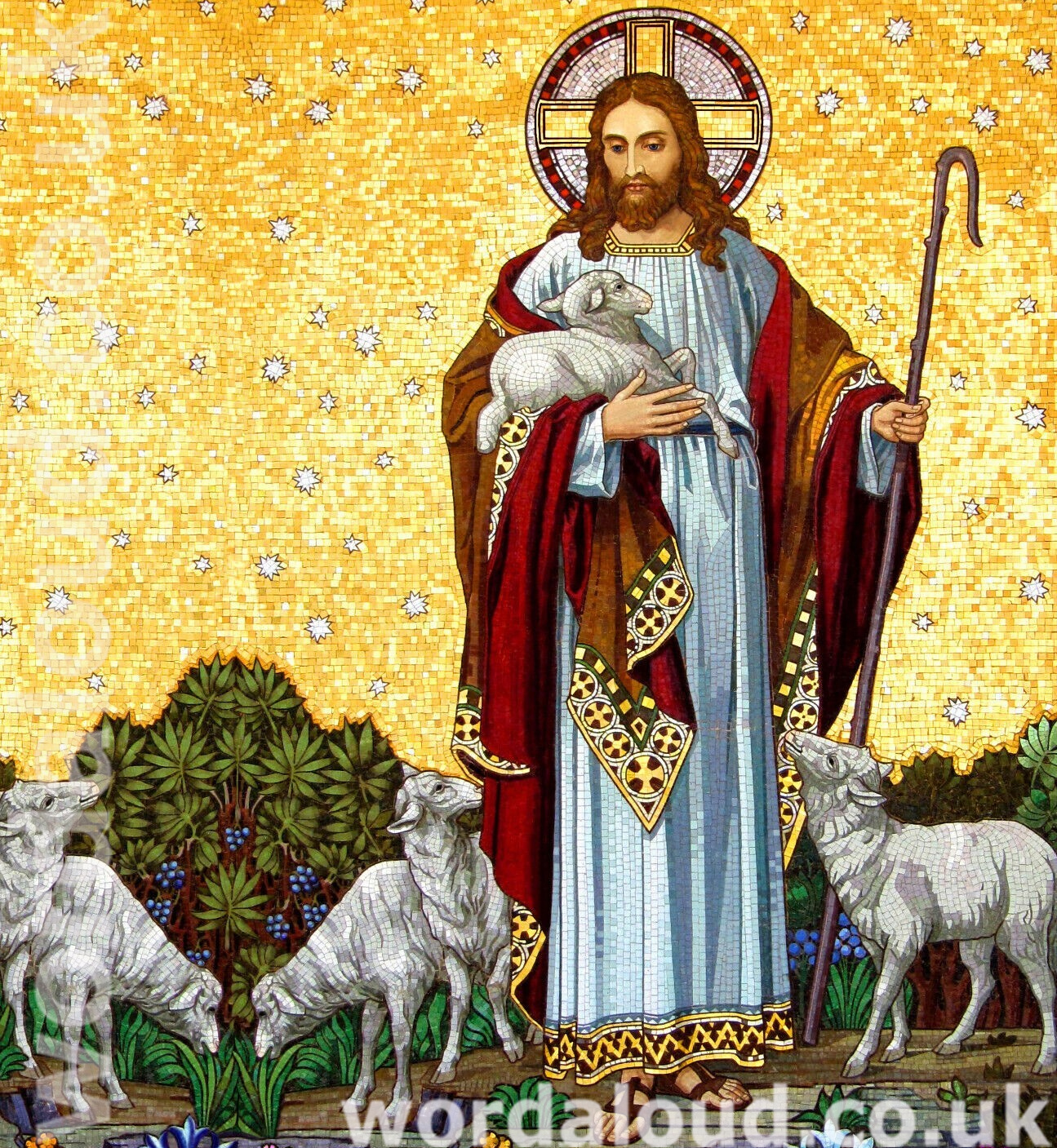
This reading from the Dogmatic Constitution on the Church of the Second Vatican Council sets out a broad vision of God’s plan of salvation and the place of the Church within it. Drawing on Scripture and the tradition of the Church, it presents salvation history as a continuous and purposeful work of God, rooted in creation and directed towards fulfilment at the end of time [ … ]

Psalm 72 is traditionally attributed to King Solomon and is a prayerful expression of the qualities and aspirations for a just and righteous ruler. It can be seen as a guide for leaders and a plea for divine wisdom in governance [ … ]
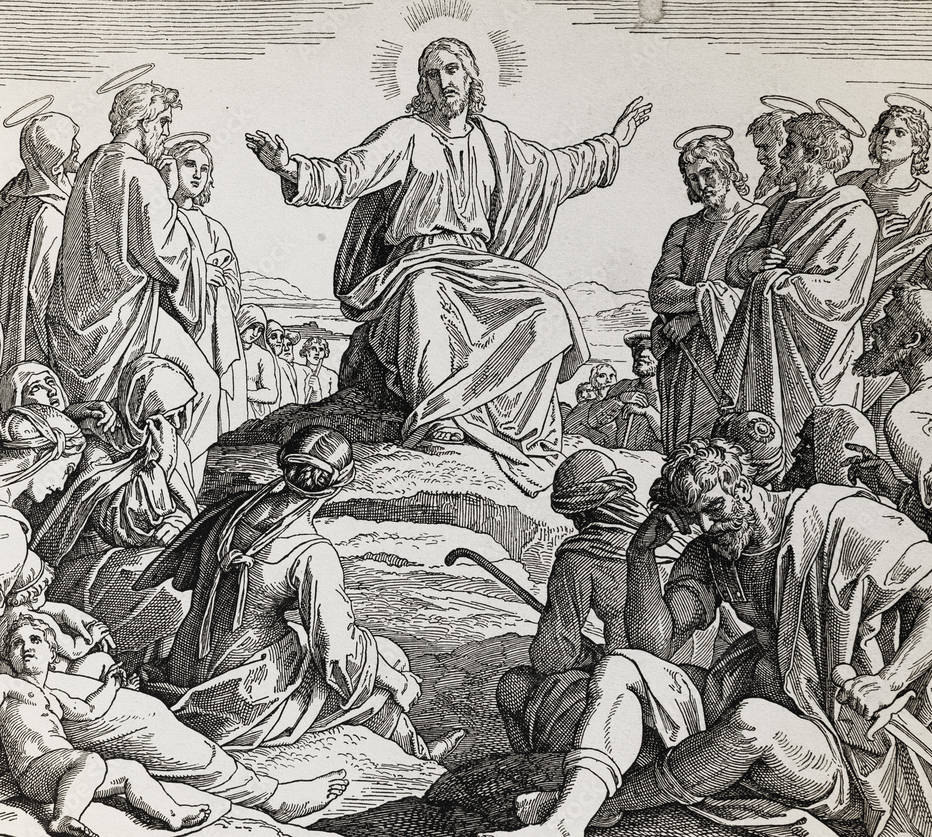
In Matthew, Jesus teaches the Our Father, the Lord’s Prayer, as part of the Discourse on the Mountain, in which we are instructed in the correct ways of practising almsgiving, prayer and fasting. Certain tendencies of the Jewish converts are corrected, particularly a certain ostentation and vacuity in the manner of prayer, giving and fasting to which they were accustomed. When they are praying, Jesus orders his followers not to be like the Gentiles, who heap up long-winded but ultimately empty phrases in the vain and superstitious belief that this will impress God. True piety means looking to God with simplicity of heart and true love through the course of each day. Spoken prayer is good and necessary, but the words only count if they express the truth of our inner feelings [ … ]
