
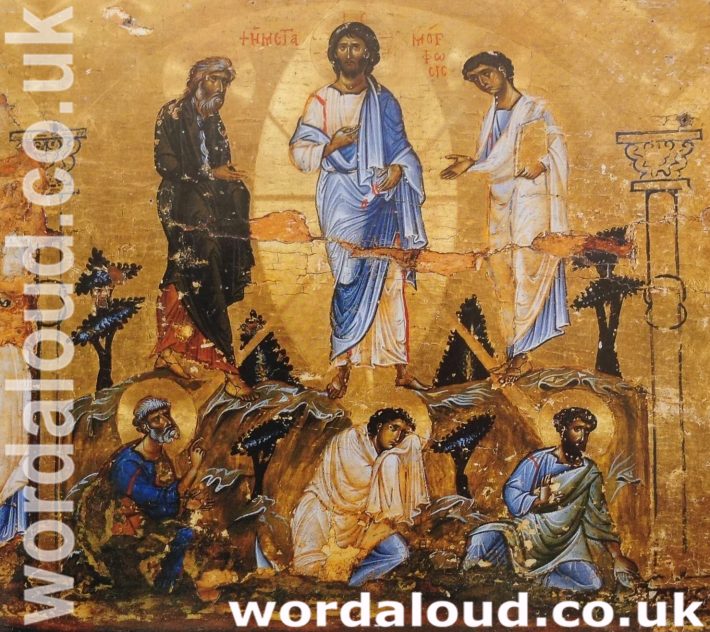
Christian Art | Transfiguration | Jesus Christ Is The Way Of Light
Office Of Readings | Week 18, Wednesday, Ordinary Time | From The Letter Attributed To Barnabas | The Way Of Light Is Jesus Christ
‘Jesus Christ is the way of light.’
The passage belongs to a tradition known as the ‘Two Ways’ teaching. This form sets up a contrast between two modes of life. The ‘Way of Light’ represents the path aligned with God’s purposes, and by implication, the ‘Way of Darkness’ is its opposite—marked by self-interest, deception, violence, and disregard for God’s commandments. The use of this form in early Christian literature suggests its role as one of instruction, particularly for converts preparing for baptism or full entry into the community.
Orientation Towards God
The text begins with an appeal to reverence and fidelity: ‘Love your Creator; reverence your Maker; give glory to him who redeemed you when you were dead.’ These opening lines establish the relationship between human beings and God as the foundation for moral behaviour. God is not only the origin of life but also its redeemer. The moral path is not arbitrary but is rooted in this understanding of divine action—creation, redemption, and continued presence.
The instruction to be ‘single-minded but rich in spiritual treasure’ sets a tone of seriousness and focus. It implies that distraction, pride, and duplicity can lead a person away from this path. The words ‘Avoid those who travel down death’s highway’ reinforce the communal dimension of moral life. The company one keeps is not morally neutral; the community shapes the individual.
Moral Instruction And Social Behaviour
The passage proceeds with a list of moral actions and prohibitions. Many of these mirror traditional Jewish and early Christian ethics: do not be proud, do not claim credit, do not plan evil against your neighbour, and avoid hypocrisy. These instructions often appear in early Christian letters (e.g. Romans 12–13, James 3–4), reflecting the influence of Jewish wisdom traditions and Greco-Roman moral philosophy, especially Stoicism.
A particularly striking instruction is: ‘Love your neighbour more than your own life.’ This sharpens the biblical command to love one’s neighbour (Leviticus 19:18) and echoes Jesus’ own teachings, especially the call to self-giving love (John 15:13). It sets a demanding standard of moral responsibility and aligns with the early Christian understanding of love as sacrificial and active.
The prohibition of abortion and infanticide reflects the early Church’s counter-cultural stance in a Greco-Roman world where such practices were widespread, particularly among the urban elite. This moral clarity is consistent across other early Christian texts, such as the Didache and Athenagoras’ Plea for the Christians. These commands illustrate the community’s emphasis on the value of vulnerable life and the protection of the weak.
Parental responsibility is also emphasised: ‘Do not refrain from chastising son or daughter, but bring them up… in the fear of the Lord.’ The focus here is not punitive but formative. Raising children within a moral and religious framework is seen as a responsibility linked directly to God’s authority.
The passage also contains instructions concerning possessions and speech. Believers are urged not to hoard what they have, and to regard material goods as secondary to spiritual gifts. The phrase ‘If you both share an imperishable treasure, how much more must you share what is perishable’ encapsulates the idea that shared faith demands shared resources. This is consistent with the ethos of early Christian communities as described in Acts 2 and 4.
Judgment And Discipline
The final moments of the passage introduce themes of divine judgment, spiritual vigilance, and practical service. The reminder to ‘bear in mind the hour of judgment’ encourages regular reflection on the accountability of life before God. This is not presented to instil fear, but to maintain focus. Believers are to keep company with the faithful, not only through preaching or encouragement, but also through manual labour. The idea that working with one’s hands can be a form of reparation and service reveals an ethic of humility and shared responsibility.
The instruction not to grumble when giving reinforces the connection between charity and attitude. Giving is not merely about the act itself but about the spirit in which it is offered. Confession is also emphasised: ‘Do not begin to pray with a guilty conscience.’ This highlights the need for moral clarity and honesty before God, especially in prayer.
The passage ends with an appeal to preserve tradition: ‘adding nothing and taking nothing away.’ This reflects the concern for the integrity of apostolic teaching. In a time before fixed creeds or canonical scripture, this instruction suggests a protective stance toward the content and shape of Christian life as it had been received.

From The Letter Attributed To Barnabas | The Way Of Light Is Jesus Christ
Consider now the way of light; any man who is bent on reaching his appointed goal must be very careful in all he does. Now these are the directions that have been given to us for this journey: love your Creator; reverence your Maker; give glory to him who redeemed you when you were dead; be single-minded but rich in spiritual treasure; avoid those who travel down death’s highway; hate whatever is displeasing to God; detest all hypocritical pretence; do not abandon God’s commandments. Do not put on airs, but be modest in whatever you do; claim no credit for yourself. Plot no evil against your neighbour, and do not give pride an entrance into your heart.
Love your neighbour more than your own life. Do not kill an unborn child through abortion, nor destroy it after birth. Do not refrain from chastising son or daughter, but bring them up from childhood in the fear of the Lord. Do not set your heart on what belongs to your neighbour and do not give in to greed. Do not associate with the arrogant but cultivate those who are humble and virtuous.
Accept as a blessing whatever comes your way in the knowledge that nothing ever happens without God’s concurrence. Avoid duplicity in thought or in word, for such deception is a deadly snare.
Share with your neighbour whatever you have, and do not say of anything, this is mine. If you both share an imperishable treasure, how much more must you share what is perishable. Do not be hasty in speech; the mouth is a deadly snare. For your soul’s good, make every effort to live chastely. Do not hold out your hand for what you can get, only to withdraw it when it comes to giving. Cherish as the apple of your eye anyone who speaks to you of the word of the Lord.
Night and day you will bear in mind the hour of judgment; every day you will seek out the company of God’s faithful, either by preaching the word, earnestly exhorting them, ever considering how you can save souls by your eloquence, or else by working with your hands to make reparation for your past sins.
Never hesitate to give, and when you do give, never grumble; then you will know the one who will repay you. Preserve the traditions you have received, adding nothing and taking nothing away. The evildoer will ever be hateful to you. Be fair in your judgments. Never stir up dissension, but act as peacemaker and reconcile the quarrelsome. Confess your sins, and do not begin to pray with a guilty conscience.
Such then is the way of light.
Christian Prayer With Jesus
Lord God, Creator and Redeemer,
You have shown us the path of light,
and called us to walk in truth, humility, and love.
Strengthen our hearts to resist what is false,
to honour what is good,
and to care for others as we would for ourselves.
Give us courage to share what we have,
grace to forgive as we have been forgiven,
and wisdom to speak only what brings life.
When we falter, remind us of your mercy;
when we are proud, remind us of your justice.
Shape in us the heart of Christ,
that we may serve you with joy
and walk faithfully in your presence,
all the days of our life.
Through Jesus Christ our Lord. Amen.
Glossary Of Christian Terms
Barnabas, Epistle of
A Christian text written in the early 2nd century, traditionally attributed to Barnabas, though its authorship is uncertain. It is not included in the New Testament canon but was valued by some early Christian communities for its teachings.
Way of Light / Way of Darkness
A traditional moral contrast found in early Jewish and Christian writings. The ‘Way of Light’ represents life aligned with God’s will, while the ‘Way of Darkness’ represents disobedience and spiritual death. Often used in instruction for new believers.
Reverence
Deep respect and honour for someone or something, especially in a religious context.
Redeemed
To be rescued or delivered from sin, death, or captivity. In Christian belief, Jesus redeems humanity through his death and resurrection.
Hypocrisy
Pretending to have moral or spiritual beliefs or virtues that one does not truly possess. Strongly criticised in both Jewish and Christian scriptures.
Fear of the Lord
A biblical term meaning awe, respect, and obedience toward God—not fear in the sense of terror, but a recognition of God’s holiness and authority.
Judgment
In Christian teaching, the belief that all people will ultimately be held accountable by God for their actions.
Catechesis
Religious instruction given to individuals preparing for baptism or entry into the Church, often structured around moral and doctrinal teaching.
Confession
The act of acknowledging one’s sins before God, often with a view to repentance and forgiveness.
Eloquence
Fluent or persuasive speaking. In the context of this passage, it refers to speaking about God’s word in a way that can guide or inspire others.
Tradition
Teachings and practices handed down through the Christian community, especially those believed to originate from the apostles.
Duplicity
The quality of being deceitful or two-faced; saying one thing while believing or doing another. The Epistle of Barnabas warns against duplicity in thought or speech.



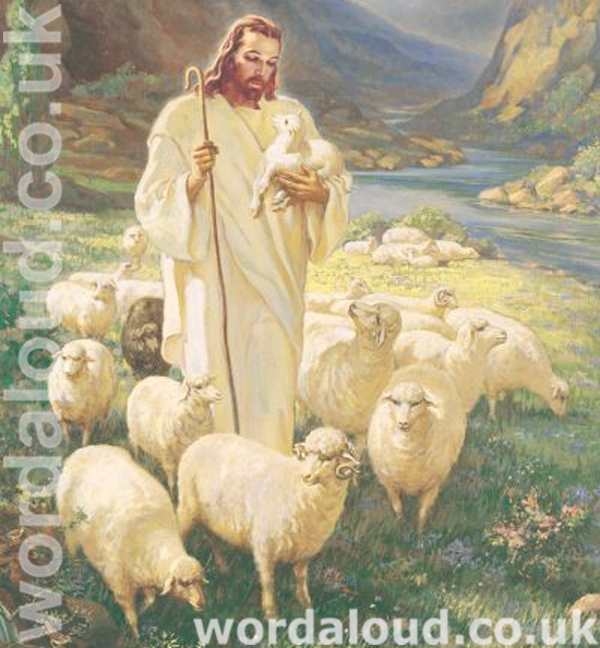
Saint Augustine reflects on the divine promise from Ezekiel: ‘I shall feed my sheep.’ He interprets the mountains of Israel as the sacred authors of Scripture, whose writings provide the true and safe nourishment of the flock. For Augustine, the faithful are to graze on these pastures by listening to the Word of God. Teachings that accord with Scripture are to be received; teachings that diverge from it must be rejected. This safeguards the flock from error and ensures that the food they consume is wholesome [ … ]
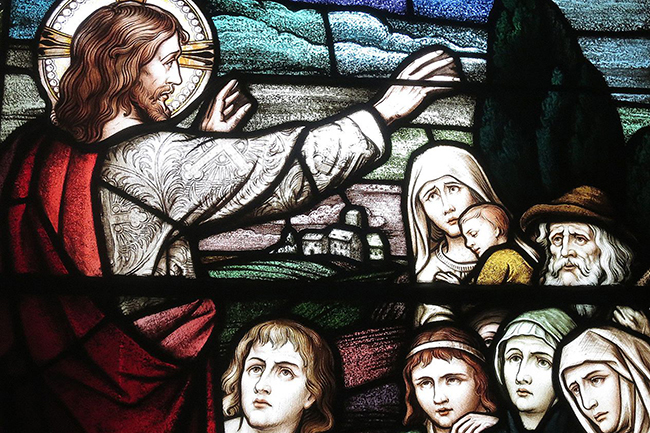
We all face difficulties in our lives. The crowds who listen to Jesus must have felt cruelly burdened, labouring and seeming to find no true reward. They must have sensed injustice and longed for their Messiah to set them free [ … ]

Saint Clement reflects on the discipline of Christian life within the early Church, focusing on the relationship between divine presence, moral conduct, and communal order. He addresses the need to align human action with God’s will and to avoid hypocrisy or self-deception in faith [ … ]
