

Christian Art | Prayer With Jesus | Psalms | Prayer And Praise For Deliverance From Enemies | King David As A Boy | Meditations On The Love Of Jesus Christ
Psalm 31 | King James Audio Bible | Psalms Of David | Christian Prayer
YouTube: Psalm 31 KJV Audio | King James Audio Bible
Psalm 31 is a heartfelt and poignant prayer that reflects the psalmist’s trust in the Lord, even in adversity and persecution. It is a cry for God’s deliverance and protection, rooted in the psalmist’s faith.
At the core of the psalm is a theme of trust and reliance on the Lord. The psalmist places his trust in God, seeking refuge in His righteousness and imploring divine guidance. This trust forms the foundation of plea for deliverance.
Throughout the psalm, there is a portrayal of the psalmist’s distress and anguish. He describes snares and nets laid by enemies and the toll it has taken. Yet, amidst this suffering, the psalmist maintains faith, committing his spirit into God’s hands.
The psalmist expresses aversion to falsehood and deceit, emphasizing commitment to truth and trust in the Lord. He laments being a reproach among enemies and being forgotten by many, likening himself to a broken vessel. This portrays isolation and despair.
Amidst the psalmist’s anguish, there is a plea for God’s mercy and deliverance. The psalmist cries out for God to shine His face upon him and to hide him in the secret of His presence, seeking refuge from the strife of tongues and the schemes of adversaries.
The psalm concludes with praise and hope. The psalmist acknowledges the Lord’s goodness and kindness, emphasizing God’s protection for those who trust in Him. The psalm ends with an encouragement to all faithful to love the Lord Godand take courage, for the Lord preserves the faithful and rewards the proud doer.


Psalm 31 | King James Audio Bible KJV | Love Revealed By Jesus Christ
In thee, O Lord, do I put my trust; let me never be ashamed: deliver me in thy righteousness.
Bow down thine ear to me; deliver me speedily: be thou my strong rock, for an house of defence to save me.
For thou art my rock and my fortress; therefore for thy name’s sake lead me, and guide me.
Pull me out of the net that they have laid privily for me: for thou art my strength.
Into thine hand I commit my spirit: thou hast redeemed me, O Lord God of truth.
I have hated them that regard lying vanities: but I trust in the Lord.
I will be glad and rejoice in thy mercy: for thou hast considered my trouble; thou hast known my soul in adversities;
And hast not shut me up into the hand of the enemy: thou hast set my feet in a large room.
Have mercy upon me, O Lord, for I am in trouble: mine eye is consumed with grief, yea, my soul and my belly.
For my life is spent with grief, and my years with sighing: my strength faileth because of mine iniquity, and my bones are consumed.
I was a reproach among all mine enemies, but especially among my neighbours, and a fear to mine acquaintance: they that did see me without fled from me.
I am forgotten as a dead man out of mind: I am like a broken vessel.
For I have heard the slander of many: fear was on every side: while they took counsel together against me, they devised to take away my life.
But I trusted in thee, O Lord: I said, Thou art my God.
My times are in thy hand: deliver me from the hand of mine enemies, and from them that persecute me.
Make thy face to shine upon thy servant: save me for thy mercies’ sake.
Let me not be ashamed, O Lord; for I have called upon thee: let the wicked be ashamed, and let them be silent in the grave.
Let the lying lips be put to silence; which speak grievous things proudly and contemptuously against the righteous.
Oh how great is thy goodness, which thou hast laid up for them that fear thee; which thou hast wrought for them that trust in thee before the sons of men!
Thou shalt hide them in the secret of thy presence from the pride of man: thou shalt keep them secretly in a pavilion from the strife of tongues.
Blessed be the Lord: for he hath shewed me his marvellous kindness in a strong city.
For I said in my haste, I am cut off from before thine eyes: nevertheless thou heardest the voice of my supplications when I cried unto thee.
O love the Lord, all ye his saints: for the Lord preserveth the faithful, and plentifully rewardeth the proud doer.
Be of good courage, and he shall strengthen your heart, all ye that hope in the Lord.

Key Themes Of The Psalm For Reflection | Love Revealed By Jesus Christ
- Trust in the Lord: The psalmist places unwavering trust in God even in the midst of adversity and persecution.
- Divine Deliverance: The psalm is a heartfelt plea for God’s deliverance and protection from enemies and snares.
- Commitment to Truth: The psalmist avows a commitment to truth and trust in the Lord, even when surrounded by falsehood.
- Distress and Despair: The psalm portrays the distress and anguish of the psalmist, feeling isolated and broken in the face of adversity.
- Mercy and Refuge: Amidst suffering, the psalmist seeks God’s mercy and refuge, asking for divine presence and protection.
- Praise and Hope: The psalm concludes with praise for God’s goodness and kindness and offers hope to all the faithful, encouraging them to love the Lord and take courage.


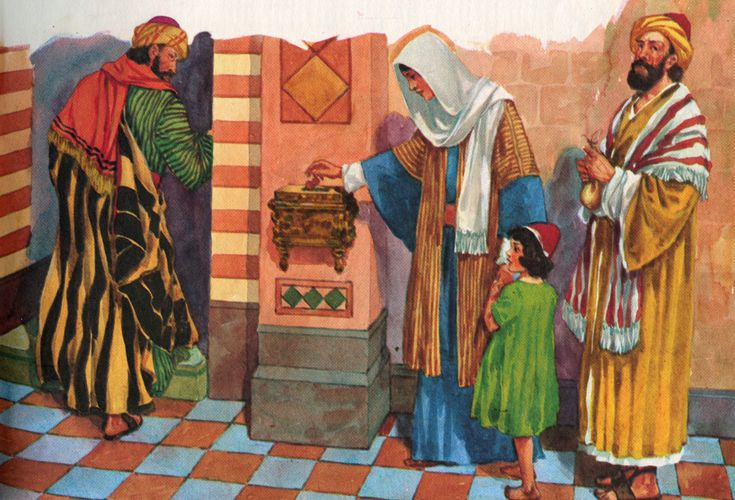
Liberation theology is a movement that emerged in Latin America in the 1960s and 1970s as a response to the region’s deep social and political injustices. It is a theology that emphasizes the importance of social and political action as a means of achieving liberation for the poor and marginalized. At its core, liberation theology seeks to address the structural roots of poverty and oppression, and to empower marginalized communities to take control of their own lives and destinies [ … ]
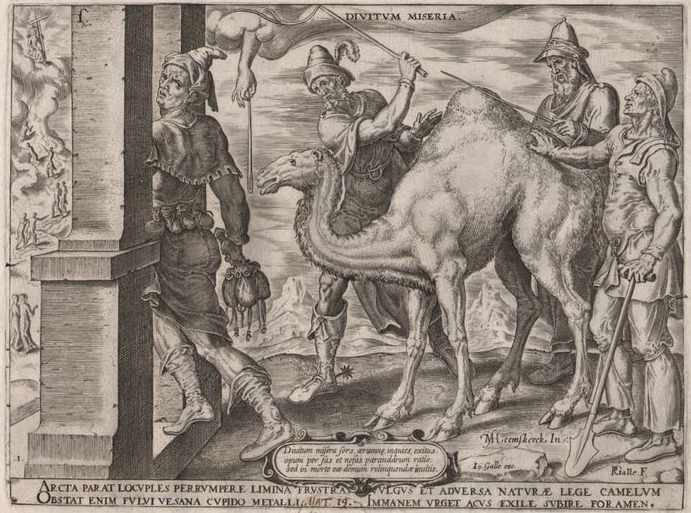
The rich young man has recognized what Jesus has to offer him. Moved with great enthusiasm, he runs to Jesus to ask him what he must do. To this, Jesus reminds the young man of the Ten Commandments [ … ]

The two miracles, which occur almost simultaneously in these Gospel verses, shed light upon one another, as Jesus brings two people back to their communities, the woman with the issue of blood, a haemorrhage, because this would render her impure and so outcast, and the girl from death. Two aspects of the Law regarding purity are juxtaposed, and with them sin and death [ … ]
