
Christian Art | George Herbert | Sepulchre | The Church | Humilitie
George Herbert | The Temple | The Church | Humilitie
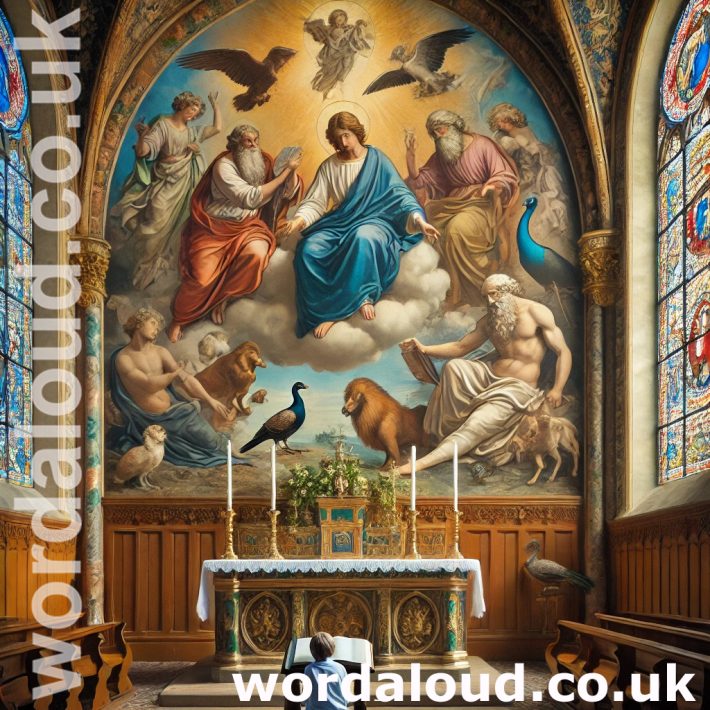
I saw the Virtues sitting hand in hand
In several ranks upon an azure throne,
Where all the beasts and fowls by their command
Presented tokens of submission.
Humility, who sat the lowest there
To execute their call,
When by the beasts the presents tendered were,
Gave them about to all.
The angry Lion did present his paw,
Which by consent was given to Meekness.
The fearful Hare her ears, which by their law
Humility did reach to Fortitude.
The jealous Turkey brought his coral chain;
That went to Temperance.
On Justice was bestowed the Fox’s brain,
Killed in the way by chance.
At length the Crow bringing the Peacock’s plume,
(For he would not) as they beheld the grace
Of that brave gift, each one began to fume,
And challenge it, as proper to his place,
Till they fell out: which when the beasts espied,
They leapt upon the throne;
And if the Fox had lived to rule their side,
They had deposed each one.
Humility, who held the plume, at this
Did weep so fast, that the tears trickling down
Spoiled all the train: then saying, Here it is
For which you wrangle, made them turn their frown
Against the beasts: so jointly bandying,
They drove them soon away,
And then amerced them, double gifts to bring
At the next Session-day.

George Herbert | The Temple | The Church | Humilitie
The poem describes a vivid allegory in which the Virtues are portrayed as a courtly assembly, seated in an orderly hierarchy, with Humility occupying the lowest but most crucial position. The scene is set on an ‘azure throne’, emphasizing the elevated and celestial nature of these qualities. Around this throne, animals and birds bring symbolic tokens, illustrating their inherent traits and how these can be transformed or appropriated by the Virtues. The interplay between the virtues, the animals, and the chaos that ensues offers a meditation on the delicate harmony required to maintain moral order, the dangers of pride and discontent, and the reconciling power of humility.
The poem opens with the imagery of the Virtues ‘sitting hand in hand’, suggesting unity and interdependence. This harmony is tested as the beasts and birds present their tokens to Humility, who then distributes them to the appropriate Virtues. Each token is emblematic of the traits associated with the respective animal: the Lion’s paw represents strength subdued by Meekness, the Hare’s ears signify fear transmuted into Fortitude, and the Turkey’s coral chain becomes a symbol of self-restraint in Temperance. The Fox’s brain, given to Justice after his chance death, highlights the sharp, discerning quality required for fair judgment. These exchanges underline the transformative capacity of virtues to redirect natural instincts into moral attributes.
However, the arrival of the Peacock’s plume—a symbol of vanity and splendor—disrupts the balance. The virtues themselves begin to quarrel over the plume, each claiming it as ‘proper to his place’. This discord among the Virtues is a powerful metaphor for the corrupting influence of pride, even in those who are inherently virtuous. The conflict also reflects the fragile nature of moral harmony and how easily it can be fractured by self-interest.
The chaos intensifies when the beasts, emboldened by the Virtues’ disunity, seize the opportunity to assert dominance. They leap upon the throne, threatening to overturn the entire order. The suggestion that the Fox, had he been alive, might have led the beasts to succeed, adds a sharp commentary on the potential for cunning and opportunism to exploit moral weakness.
It is Humility who restores order. Holding the contested plume, she weeps so profusely that her tears spoil its allure. This act of self-effacement exposes the absurdity of the conflict and redirects the Virtues’ anger away from one another and toward the external threat posed by the beasts. The tears symbolize the purifying and reconciling power of humility, which dissolves pride and restores harmony. In the end, the beasts are expelled and punished by being commanded to bring ‘double gifts’ at the next session, reinforcing the idea that humility serves as the foundation for justice and reparation.
The poem concludes by affirming the role of Humility as the central virtue that binds all others together. Without her, even the most noble qualities can descend into rivalry and self-aggrandizement. The allegory highlights the necessity of self-awareness and selflessness in the pursuit of moral integrity, emphasizing that pride, even among the virtuous, is the root of discord.
In its broader implications, the poem meditates on the precariousness of moral structures and the continual effort required to sustain them. It suggests that humility is not merely one virtue among many but the essential glue that maintains the coherence and function of all virtues in a world prone to disorder. The interplay of human qualities and instincts, symbolized by the Virtues and animals, reflects a dynamic process of moral striving, reconciliation, and the ultimate triumph of grace over chaos.


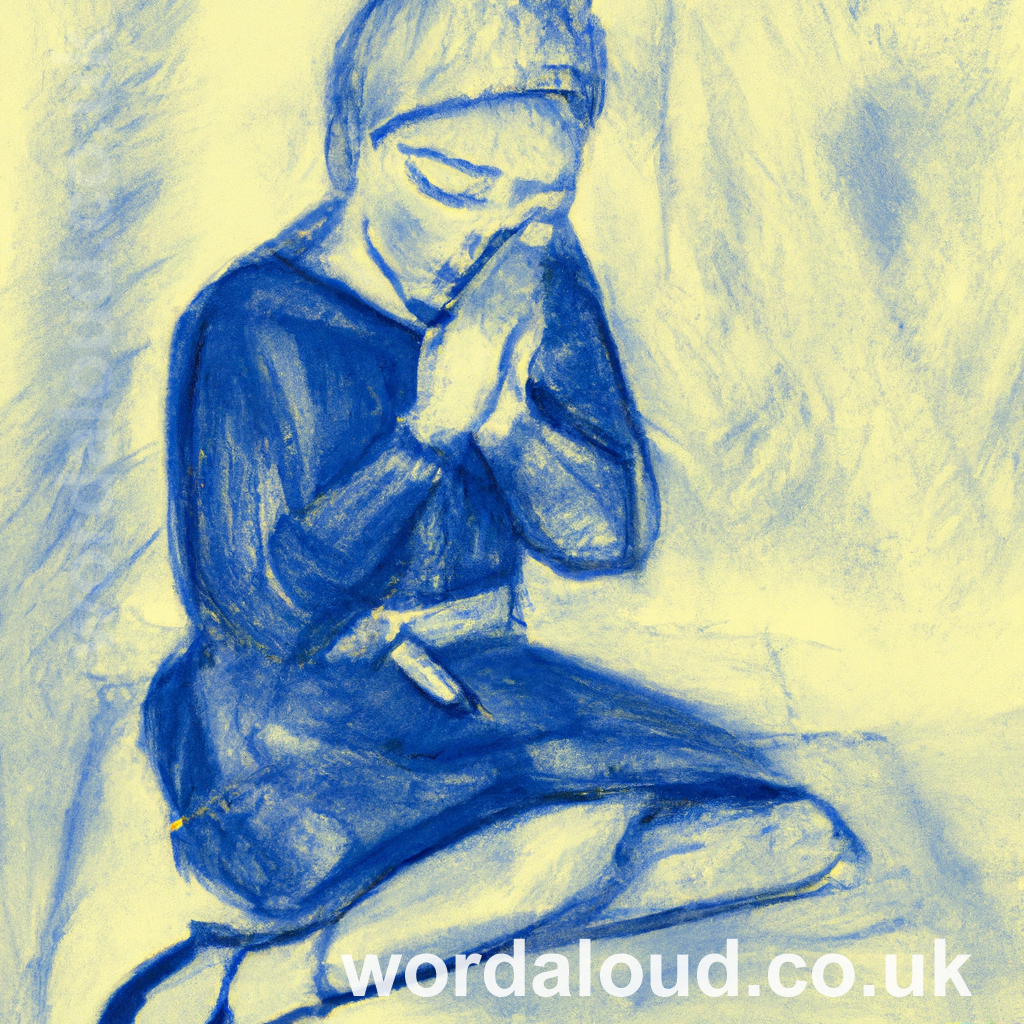
Psalm 80 pleas for divine intervention and restoration, resonating with themes of lamentation and supplication. Addressed to the Shepherd of Israel, who leads His people as a flock, the psalmist beseeches God to shine forth and save God’s people from their distress. The psalm is a poignant reflection on the people’s perceived abandonment, a plea for mercy, and a fervent desire for God’s favour to be restored. As the psalmist yearns for divine presence, the overarching theme becomes a prayerful request for God to turn His countenance towards His people, reviving them with God’s saving grace [ … ]
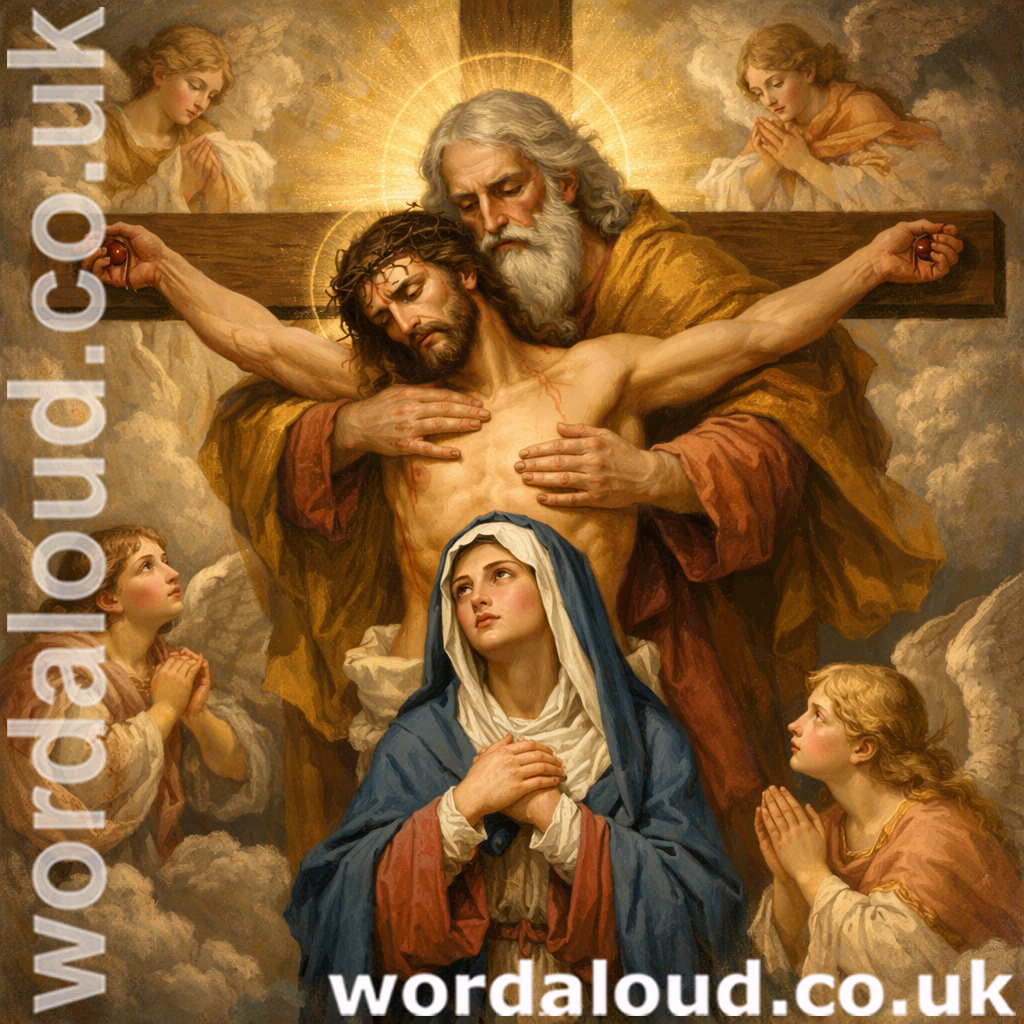
In this reading from Against the Heresies, Saint Irenaeus sets out a central conviction of early Christian theology: knowledge of God the Father is possible only through the Son, the Word of God. This is not a matter of intellectual effort or philosophical ascent, but of divine self-disclosure [ … ]
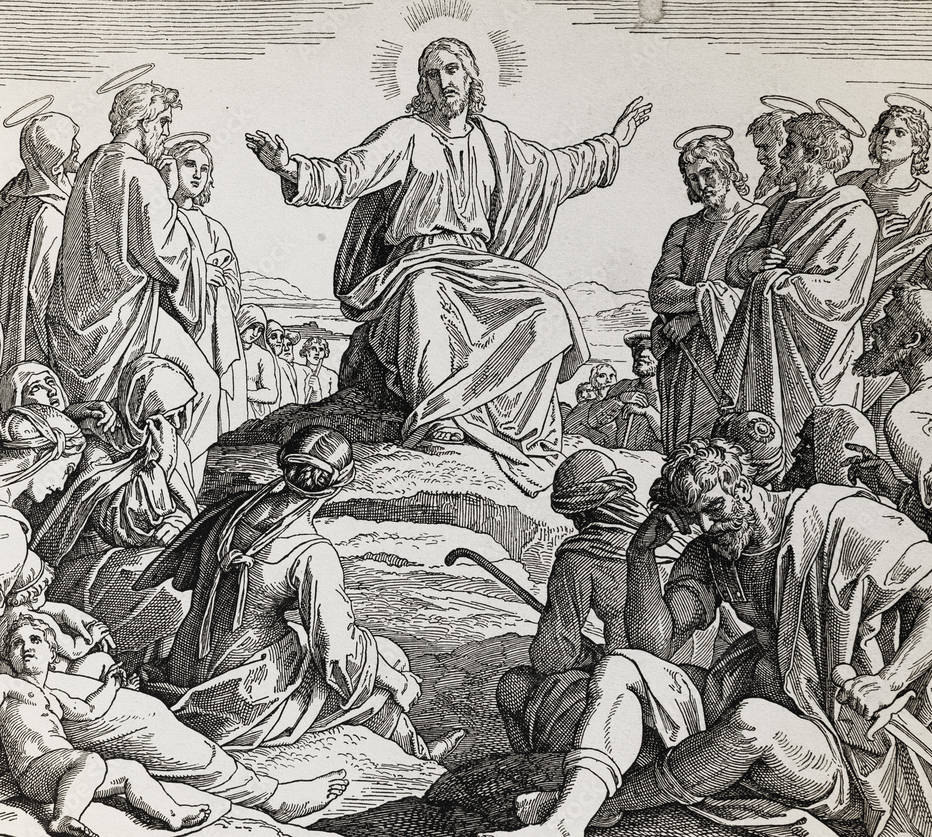
In Matthew, Jesus teaches the Our Father, the Lord’s Prayer, as part of the Discourse on the Mountain, in which we are instructed in the correct ways of practising almsgiving, prayer and fasting. Certain tendencies of the Jewish converts are corrected, particularly a certain ostentation and vacuity in the manner of prayer, giving and fasting to which they were accustomed. When they are praying, Jesus orders his followers not to be like the Gentiles, who heap up long-winded but ultimately empty phrases in the vain and superstitious belief that this will impress God. True piety means looking to God with simplicity of heart and true love through the course of each day. Spoken prayer is good and necessary, but the words only count if they express the truth of our inner feelings [ … ]
