

Christian Art | Prayer With Jesus | Psalms | Eternal Dwelling Of God In Zion | King David As A Boy | Audio KJV | Love Revealed By Jesus Christ | King James Audio Bible
Psalm 132 | King James Audio Bible
YouTube: Psalm 132 | KJV | King James Version | Audio Bible | Word Aloud
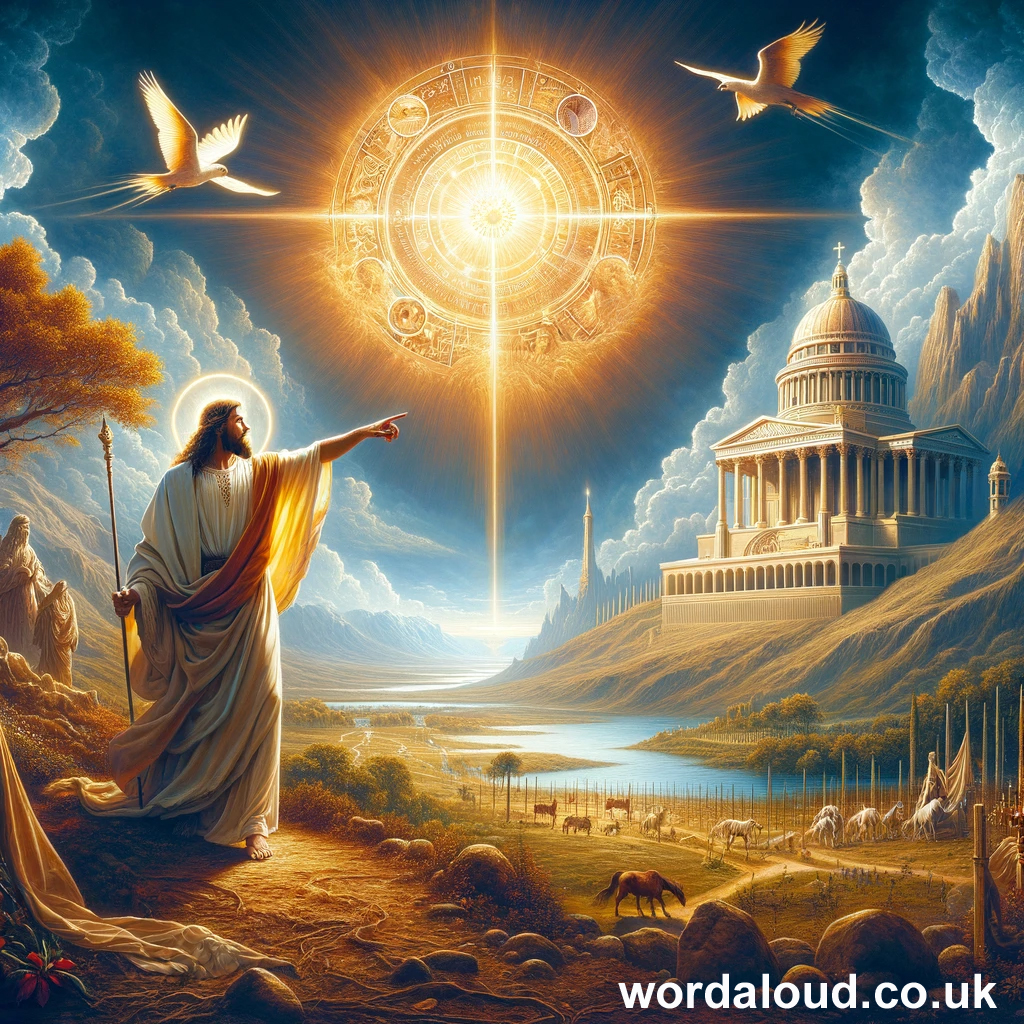
Psalm 132, of the Songs of Ascents, is significant especially in Christian tradition. For Christians, this psalm not only recounts a devotional history of King David but also serves as a prophetic foretelling of Jesus Christ, seen as fulfilment of the Davidic covenant.
The psalm opens with an invocation of David’s past, ‘Lord, remember David, and all his afflictions.’ This plea is more than historical recollection; for Christians, it symbolizes the lineage from which Jesus, the Messiah, would emerge. David’s vow to find a resting place for the Ark encapsulates a deeper spiritual quest, interpreted in Christianity as a foreshadowing of the coming of Christ. The vow, ‘Surely I will not come into the tabernacle of my house, nor go up into my bed,’ is seen as an embodiment of sacrifice and dedication, qualities that find their ultimate expression in Jesus’ life and ministry.
In the Christian reading, verse 6’s reference to Ephratah, believed to be Bethlehem, further expresses the psalm’s messianic connection, as Bethlehem is the prophesied birthplace of Jesus. The communal voice, ‘We will go into his tabernacles: we will worship at his footstool,’ reflects collective anticipation of the Messiah, a central theme in Christian eschatology.
The plea for the Lord to enter His rest, alongside the Ark, in verse 8, ‘Arise, O Lord, into thy rest; thou, and the ark of thy strength,’ is interpreted as symbolic of the Incarnation, where Jesus, regarded as God become human, dwells among people. The call for righteousness in the priests and joy among the saints in verse 9 is seen as a precursor to a Christian understanding of a new covenant, one brought forth by Jesus.
Verse 11, ‘The Lord hath sworn in truth unto David; he will not turn from it; Of the fruit of thy body will I set upon thy throne,’ takes on a prophetic significance, seen as God’s promise to establish Jesus, a descendant of David, as the eternal king. This promise is foundational to Christian belief in Jesus as the Messiah, fulfilling the Davidic covenant.
Latter verses, from 13 to 18, evoke the Christian understanding of Jesus’ role in God’s plan. The choice of Zion as God’s dwelling place is viewed as a metaphor for Jesus’ mission, establishing a spiritual kingdom that fulfils the divine promise. The blessings upon Zion, including abundant provision and salvation, are interpreted as the spiritual and redemptive blessings brought by Christ.
In Christian theology, the final verses, ‘There will I make the horn of David to bud: I have ordained a lamp for mine anointed,’ are often linked to the concept of Jesus as the light of the world, a guiding presence for believers. The flourishing crown upon the anointed king is seen as metaphor for the eternal reign of Christ, victorious over sin and death.
Psalm 132 | King James Audio Bible
Lord, remember David, and all his afflictions:
How he sware unto the Lord, and vowed unto the mighty God of Jacob;
Surely I will not come into the tabernacle of my house, nor go up into my bed;
I will not give sleep to mine eyes, or slumber to mine eyelids,
Until I find out a place for the Lord, an habitation for the mighty God of Jacob.
Lo, we heard of it at Ephratah: we found it in the fields of the wood.
We will go into his tabernacles: we will worship at his footstool.
Arise, O Lord, into thy rest; thou, and the ark of thy strength.
Let thy priests be clothed with righteousness; and let thy saints shout for joy.
For thy servant David’s sake turn not away the face of thine anointed.
The Lord hath sworn in truth unto David; he will not turn from it; Of the fruit of thy body will I set upon thy throne.
If thy children will keep my covenant and my testimony that I shall teach them, their children shall also sit upon thy throne for evermore.
For the Lord hath chosen Zion; he hath desired it for his habitation.
This is my rest for ever: here will I dwell; for I have desired it.
I will abundantly bless her provision: I will satisfy her poor with bread.
I will also clothe her priests with salvation: and her saints shall shout aloud for joy.
There will I make the horn of David to bud: I have ordained a lamp for mine anointed.
His enemies will I clothe with shame: but upon himself shall his crown flourish.

Psalm 132 | King James Audio Bible
- Divine Remembrance And David’s Devotion: The psalm opens with a plea for God to remember David’s afflictions and his devout commitment, emphasizing the theme of divine remembrance and the depth of David’s dedication to God’s service.
- Sacred Obligation And Worship: David’s vow to find a dwelling for the Ark symbolizes the utmost priority given to sacred obligations and worship, illustrating a profound commitment to establishing a place for divine presence.
- Communal Worship And Pilgrimage: The transition to the communal voice reflects the collective journey and worship of the Israelites, connecting individual devotion with communal faith and pilgrimage.
- Divine Presence And Temple: The plea for God to inhabit the temple intertwines the physical presence of the Ark with the spiritual presence of God, highlighting the importance of a sacred space for divine-human interaction.
- Righteousness And Joy Of The Faithful: The psalmist’s prayer for the righteousness of the priests and the joy of the saints underscores the themes of spiritual leadership and the communal expression of worship and joy.
- Davidic Covenant And Messianic Expectation: The prophetic aspect of the psalm, focusing on the divine promise to David and his lineage, connects historical covenant with future messianic expectations, emphasizing the continuity and significance of David’s dynasty.
- Zion As God’s Chosen Dwelling: The Lord’s choice of Zion as His permanent dwelling place highlights Zion’s central role in the spiritual life of the Israelites, symbolizing God’s enduring presence and covenant.
- Blessings Of Provision And Salvation: The promises of material provision and spiritual salvation for Zion reflect a holistic view of divine blessing, encompassing both physical sustenance and spiritual well-being.
- Triumph Of The Anointed King: The concluding verses of the psalm focus on the future triumph and prosperity of David’s lineage, symbolizing the strength and enduring nature of the kingdom established under God’s anointed king.




Saint Anselm expresses a very personal kind of prayer — not analysing God from a distance, but putting into words the restless desire of a believer who knows that God is real, yet not yet fully seen. For Anselm, faith naturally awakens longing, and longing draws the soul deeper into God [ … ]
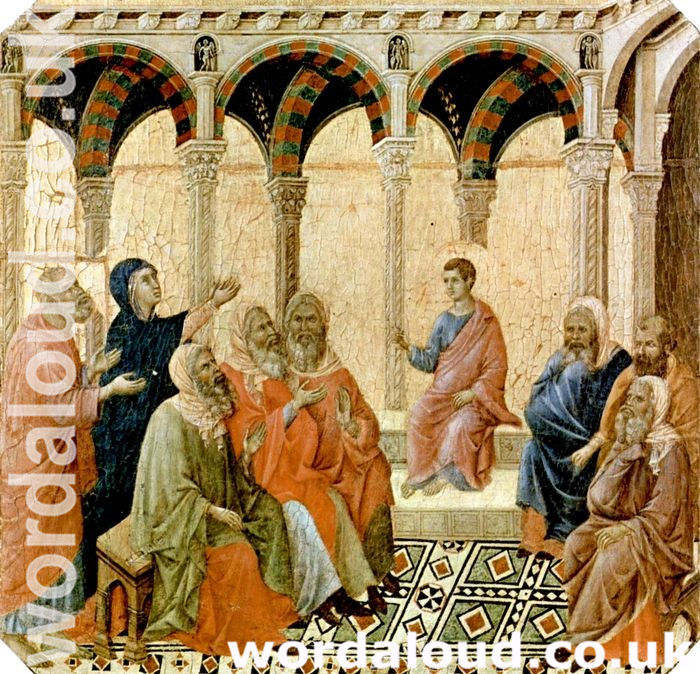
Saint Ambrose of Milan continues his exposition of the psalms by dwelling on the theme of Jesus Christ as the universal reconciler. His reflection builds on two interconnected truths: the sinlessness of Christ and the all-sufficiency of his sacrifice [ … ]
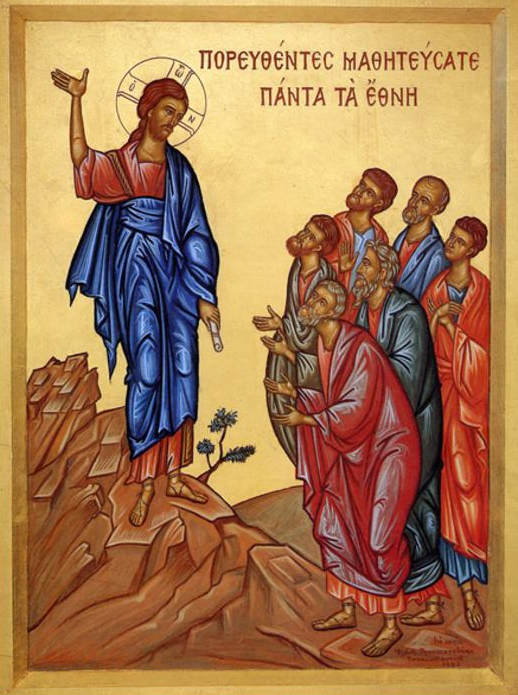
Matthew’s account of the Sermon on the Mount has been related through the whole of chapters five, six and seven of his Gospel. Jesus concludes his teachings with today’s Bible verses, which carry both a promise and a warning. Commencing with the Beatitudes, Jesus’ Sermon on the Mount has presented to the people, toward the start of his ministry, a most beautiful, transformative understanding of God’s call to us to be with Him and to live according to the real, inner truth of the law [ … ]
