

Christian Art | Prayer With Jesus | Psalms | Prayer For Preservation From Enemies | King David As A Boy | Audio KJV | Love Revealed By Jesus Christ | King James Audio Bible
Psalm 143 | King James Audio Bible
YouTube: Psalm 143 KJV | King James Audio Bible | Word Aloud
Psalm 143 is of the penitential psalms, attributed to David. Psalm 143 articulates a plea for divine intervention and guidance amidst adversity. The psalm opens with a direct appeal to the Lord, emphasizing the urgency and depth of the psalmist’s need for God’s attention and assistance. ‘Hear my prayer, O LORD, give ear to my supplications: in thy faithfulness answer me, and in thy righteousness.’ This verse not only serves as an invocation but also sets the tone for the entire psalm, expressing the psalmist’s reliance on God’s faithfulness and righteousness.
The psalmist quickly establishes the context of his plea, acknowledging his vulnerability before God and futility of standing righteous on his own merit. ‘And enter not into judgment with thy servant: for in thy sight shall no man living be justified.’ This acknowledgment of human imperfection before divine perfection is a fundamental theological theme of the psalm: the necessity of God’s mercy over judgment.
Subsequent verses detail adversity faced by the psalmist, characterized by persecution from enemies and a profound sense of despair. ‘For the enemy hath persecuted my soul; he hath smitten my life down to the ground; he hath made me to dwell in darkness, as those that have been long dead.’ Through these words, depth of the psalmist’s struggle is laid bare, likening the psalmist’s state to one existing in darkness and akin to death, thereby accentuating the gravity of his situation and need for deliverance.
Amidst this depiction of distress, the psalmist reflects on the past, invoking memories of God’s past deeds as a source of comfort and a reminder of God’s power. ‘I remember the days of old; I meditate on all thy works; I muse on the work of thy hands.’ This retrospection is a bridge between recounting of current afflictions and the assertion of hope, rooted in the recollection of God’s unchanging nature and his acts of deliverance throughout history.
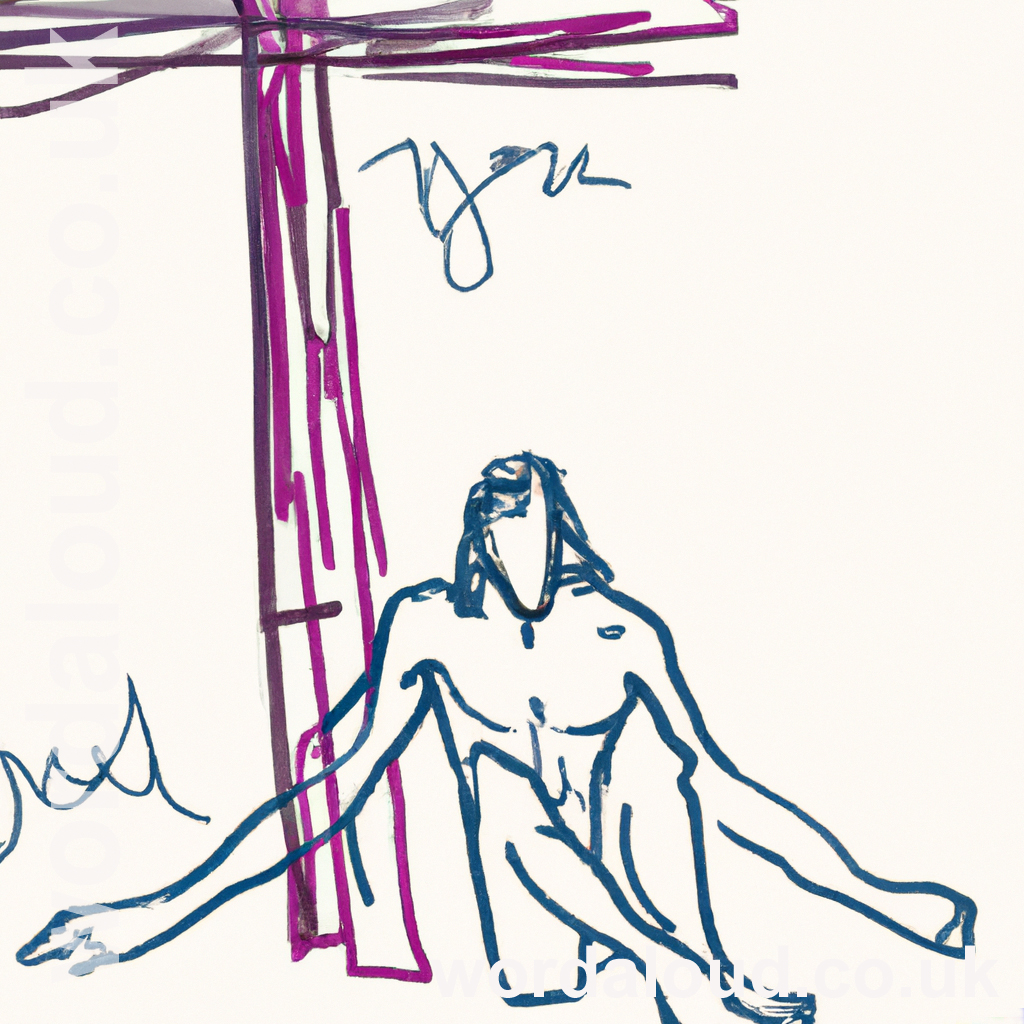
The psalmist’s plea intensifies as he expresses profound longing for God’s presence, comparing his soul’s thirst for God to a parched land yearning for water. ‘I stretch forth my hands unto thee: my soul thirsteth after thee, as a thirsty land. Selah.’ This imagery not only conveys the depth of the psalmist’s desire for divine intervention but also highlights the essential nature of his relationship with God.
As the psalm progresses, the request for guidance becomes more explicit. ‘Cause me to hear thy lovingkindness in the morning; for in thee do I trust: cause me to know the way wherein I should walk; for I lift up my soul unto thee.’ Here, the psalmist articulates his dependence on God’s guidance and protection, underscoring trust as the foundation of his plea.
The psalm closes with a series of requests for deliverance, teaching, and revival, all rooted in the recognition of God’s sovereignty and the psalmist’s servitude. ‘Teach me to do thy will; for thou art my God: thy spirit is good; lead me into the land of uprightness.’ These verses encapsulate the psalmist’s desire not only for rescue from immediate peril but for alignment with God’s will and guidance towards righteousness.
Psalm 143, through its candid articulation of despair, reflection on God’s past deliverance, and appeal for future guidance, encompasses a range of themes central to the human experience: vulnerability, memory, hope, and the pursuit of divine direction. It portrays a dynamic dialogue between man and the divine, characterized by honesty, reverence, and a deep yearning for a life aligned with God’s will.
The psalm, therefore, serves not only as a personal lament but as a collective prayer, offering words of solace and a framework for seeking God’s presence and guidance amidst the trials of life. The psalm highlights transformative potential of prayer, importance of remembering God’s faithfulness, and the central role of God’s guidance in navigating such complexities of existence.


Psalm 143 | King James Audio Bible
Hear my prayer, O LORD, give ear to my supplications: in thy faithfulness answer me, and in thy righteousness.
And enter not into judgment with thy servant: for in thy sight shall no man living be justified.
For the enemy hath persecuted my soul; he hath smitten my life down to the ground; he hath made me to dwell in darkness, as those that have been long dead.
Therefore is my spirit overwhelmed within me; my heart within me is desolate.
I remember the days of old; I meditate on all thy works; I muse on the work of thy hands.
I stretch forth my hands unto thee: my soul thirsteth after thee, as a thirsty land. Selah.
Hear me speedily, O LORD: my spirit faileth: hide not thy face from me, lest I be like unto them that go down into the pit.
Cause me to hear thy lovingkindness in the morning; for in thee do I trust: cause me to know the way wherein I should walk; for I lift up my soul unto thee.
Deliver me, O LORD, from mine enemies: I flee unto thee to hide me.
Teach me to do thy will; for thou art my God: thy spirit is good; lead me into the land of uprightness.
Quicken me, O LORD, for thy name’s sake: for thy righteousness’ sake bring my soul out of trouble.
And of thy mercy cut off mine enemies, and destroy all them that afflict my soul: for I am thy servant.

Psalm 143 | King James Audio Bible
- Supplication For Divine Hearing: The psalmist begins with a plea for God to listen to his prayers, emphasizing the need for divine attention in times of distress.
- Acknowledgment Of Human Frailty: The psalmist acknowledges his own inability to stand righteous before God, underscoring the universal need for God’s mercy rather than judgment.
- Persecution And Despair: Descriptions of persecution by enemies and feelings of being overwhelmed highlight the psalmist’s dire circumstances and mental anguish.
- Reflection On God’s Past Deeds: By remembering and meditating on God’s past actions, the psalmist finds a basis for hope and trust in God’s future deliverance.
- Longing For God’s Presence: Expressing a deep thirst for God, the psalmist illustrates his soul’s profound need for divine connection and guidance.
- Plea For Guidance And Deliverance: The psalmist asks God to make known the path he should take and to deliver him from his enemies, emphasizing trust in God’s direction.
- Request For Revival And Protection: Seeking quickening and protection from God, the psalmist’s requests reflect a desire for both physical safety and spiritual renewal.
- Commitment To God’s Will: The psalmist expresses a willingness to learn and follow God’s will, highlighting the desire for a life aligned with divine righteousness.
- Dependence On Divine Mercy: The final verses of the psalm underscore the psalmist’s reliance on God’s mercy to overcome his adversaries, reinforcing the theme of divine intervention as essential to the believer’s survival and righteousness.




Since beginning his ministry, Jesus has called his first disciples to follow him. Now it is time to choose, from his disciples, the twelve who are to be called Apostles, that is those who are to be most especially sent to preach, on mission, and to found and to lead the Church. There are key, notable stages as Jesus constitutes his Church – the Apostles will be fully confirmed in their mission on the day of Pentecost. This is one such important stage [ … ]

The story of Joseph begins within a family already marked by division. Genesis has traced generations shaped by rivalry, favouritism, deception and estrangement. The conflict between Cain and Abel established early the destructive force of jealousy between brothers. Later narratives repeat similar patterns in different forms: Isaac and Ishmael, Jacob and Esau, Leah and Rachel. By the time Joseph appears, the family of Jacob already carries deep instability within itself [ … ]
Lord Jesus, I come before you with a weary heart and a burdened soul. Life’s challenges have left me feeling tired and overwhelmed. I seek your comforting presence and the rest that only you can provide. Please grant me your peace, renew my strength, and carry my burdens as I surrender them into your loving hands. In Your name, I find solace and find rest for my weary soul. Amen [ … ]
