Christian Art | Prayer With Jesus | Psalms | Israel’s God : Judge Of All The Earth | King David As A Boy | Audio KJV | Love Revealed By Jesus Christ | King James Audio Bible
Psalm 76 | King James Audio Bible
YouTube: Psalm 76 | KJV | King James Version | Audio Bible | Word Aloud
Psalm 76 is a hymn of praise that celebrates the mighty deeds of God and God’s sovereignty, particularly in times of victory and deliverance. It highlights the recognition of God’s presence in the land of Judah, the sacredness of His dwelling in Zion, and God’s power to subdue even the most formidable adversaries.
The psalm begins by emphasizing God’s renown in Judah and Israel. The psalm acknowledges that God is not only known but esteemed in these lands. The mention of Salem and Zion underlines sanctity of God’s dwelling places.
Central to this psalm is the concept of divine intervention in battle. It vividly describes how God breaks weapons of warfare—the arrows, shields, and swords. This imagery conveys God’s supremacy over the tools of conflict.
The psalm also recognizes the power and majesty of God, describing Him as more glorious than the mountains of prey. The verses underscore that even the stouthearted warriors are rendered powerless when God acts.
God’s role in bringing stillness and sleep to the formidable forces of chariots and horses is portrayed, emphasizing His control over earthly powers.
Furthermore, the psalm acknowledges the fear-inducing aspect of God’s anger and His ability to bring judgment and salvation to the meek.
A unique aspect of Psalm 76 is the idea that even the wrath of man ultimately serves to praise God, and He restrains the remainder of wrath. This emphasizes God’s divine purpose and ultimate control.

Psalm 76 | King James Audio Bible KJV | Love Revealed By Jesus Christ
In Judah is God known: his name is great in Israel.
In Salem also is his tabernacle, and his dwelling place in Zion.
There brake he the arrows of the bow, the shield, and the sword, and the battle. Selah.
Thou art more glorious and excellent than the mountains of prey.
The stouthearted are spoiled, they have slept their sleep: and none of the men of might have found their hands.
At thy rebuke, O God of Jacob, both the chariot and horse are cast into a dead sleep.
Thou, even thou, art to be feared: and who may stand in thy sight when once thou art angry?
Thou didst cause judgment to be heard from heaven; the earth feared, and was still,
When God arose to judgment, to save all the meek of the earth. Selah.
Surely the wrath of man shall praise thee: the remainder of wrath shalt thou restrain.
Vow, and pay unto the Lord your God: let all that be round about him bring presents unto him that ought to be feared.
He shall cut off the spirit of princes: he is terrible to the kings of the earth.
Key Themes Of The Psalm For Reflection | Love Revealed By Jesus Christ
- God’s Renown In Israel: The psalm begins by acknowledging God’s fame and recognition in the land of Judah and Israel.
- Sacredness Of God’s Dwelling Places: The psalm highlights the presence of God’s tabernacle in Salem and His dwelling in Zion, underscoring the sanctity of these locations.
- Divine Intervention In Battle: The psalm vividly portrays God’s role in breaking the weapons of war, demonstrating His supremacy in times of conflict.
- God’s Majesty And Power: The psalm describes God as more glorious and powerful than the mountains of prey, emphasizing His unmatched might.
- Overcoming Formidable Adversaries: The psalm conveys how even the stouthearted warriors are rendered powerless when God acts, symbolizing His dominance over earthly powers.
- Fear Of God’s Anger: The psalm recognizes the fear-inducing aspect of God’s anger and His role in bringing stillness and sleep to formidable forces.
- Judgment And Salvation: The psalm acknowledges God’s ability to bring judgment and salvation to the meek.
- Divine Purpose And Control: The psalm highlights the idea that even the wrath of man ultimately serves to praise God, and He restrains the remainder of wrath, emphasizing God’s divine purpose and ultimate control.



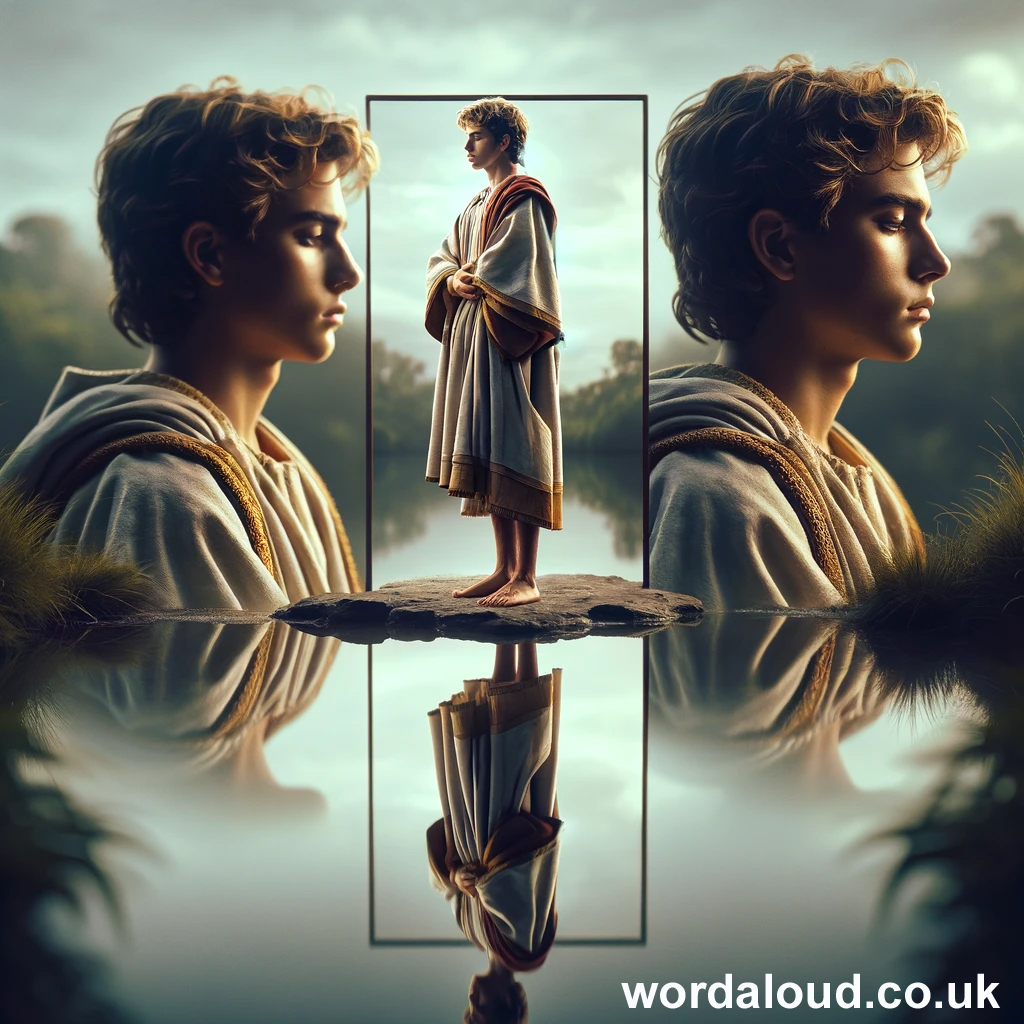
The Psalm begins with a direct address, ‘Unto thee lift I up mine eyes, O thou that dwellest in the heavens.’ This line sets the tone of reverence and dependence. The psalmist, acknowledging his lowliness and God’s exalted position, looks to God for help. The act of lifting eyes to the heavens is a gesture of seeking help from a power greater than any earthly source [ … ]
The Jews – often in the Gospel of John a generic term for those who reject Christ, or those who are so muddled, contentious and sectarian among themselves that they threaten the continuity of themselves in the Law – do not reject Jesus for any good reason. They do so rather because they cling to what precious little they have, within their prison walls, and so they deliberately blind themselves to the universal, and universalizing, truth which Christ brings. Jesus knows this. Nevertheless, through justice, he must give to the Jews this additional opportunity to listen to his teaching and recognize the truth of who he is. We may imagine that Jesus is truly desperate for the people of God to put aside their differences and truly be with God [ … ]

There is a beautiful lesson in love, which is to test ourselves when we are offering gifts of love to our beloved/s, and this is by imagining that we actually don’t know the person or people to whom we are giving. This way, we can make sure that what we are doing is giving, rather than making an investment and expecting something in return [ … ]