

Christian Art | Our Lord Jesus On The Cross | God The Father | God The Son
Office Of Readings | Advent December 23rd | A Reading From The Treatise Of Saint Hippolytus Against The Heresy Of Noetus | The Hidden Sacrament Is Revealed
‘The hidden sacrament is revealed.’
In this reading, Saint Hippolytus writes against the Noetic heresy, which denied the real distinction between the Father and the Son by treating them as the same person acting under different names. The purpose of Saint Hippolytus is to defend the Church’s confession of one God who is not solitary, but who exists with his Word and Spirit.
Hippolytus begins by setting a principle: knowledge of God comes from the Holy Scriptures, not from speculation or private reasoning. Faith is not shaped by human preference but by what God has chosen to reveal. The Father determines how He is believed, the Son how He is glorified, and the Spirit how He is received. This establishes Scripture as the rule of faith and guards against theological invention.
Hippolytus then affirms that God existed alone before creation, with nothing co-eternal alongside Him. At the same time, God was not without reason, wisdom, or power. Hippolytus insists that plurality within God does not compromise divine unity. God contains within himself Word, wisdom, and counsel. Creation begins when God wills and manifests His Word. The Word is not created from nothing but proceeds from God and acts as the agent of creation.
The Word is first invisible to the created world, though known to God. When God chooses, He makes the Word visible, described as ‘Light of Light’. This language safeguards both distinction and unity: the Word comes from God and reveals God, without being separate from Him. The manifestation of the Word is ordered towards salvation, so that the world may see and be saved.
Hippolytus identifies this Word clearly with the Son of God. Through him all things were made, and he alone comes forth from the Father. The Law and the prophets belong to the same saving plan. God speaks through them by the Holy Spirit, so that they proclaim not their own ideas but the Father’s will. Revelation is therefore coherent: creation, prophecy, and incarnation belong to one divine purpose.
Hippolytus appeals to the Gospel of John to show continuity between prophecy and fulfilment. The Word spoken of by the prophets is the Word made flesh. Though the world was made through him, it failed to recognise him. This failure does not negate God’s plan but reveals the depth of the mystery now disclosed.
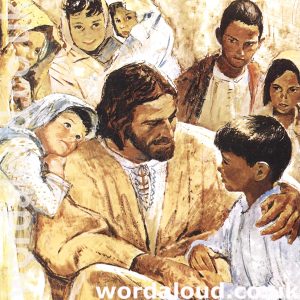
A Reading From The Treatise Of Saint Hippolytus Against The Heresy Of Noetus | The Hidden Sacrament Is Revealed
There is, brethren, one God, the knowledge of whom we gain from the Holy Scriptures and from no other source. Whatever things the Holy Scriptures declare, at these let us look; and whatever they teach, let us learn it; and as the Father wills our belief to be, let us believe; and as he wills the Son to be glorified, let us glorify him; and as he wills the Holy Spirit to be bestowed, let us receive him. Not according to our own will, nor according to our own mind, nor yet storming by force the things which are given by God, but even as he has chosen to teach them by the Holy Scriptures, so let us discern them.
God, subsisting alone, and having nothing coeval with himself, chose to create the world. And conceiving the world in mind, and willing and uttering the Word, he made it; and at once it appeared, formed it in the way he desired. For us it is sufficient simply to know that nothing was coeval with God. Outside him there was nothing; but he, while existing alone, yet existed in plurality. For he did not lack reason, or wisdom, or power, or counsel. All things were in him, and he was the All. At a time and in a manner chosen by him he made his Word manifest, and through his Word he made all things.
He bears this Word in himself, as yet invisible to the created world. He makes him visible, uttering the voice first, and begetting him as Light of Light. He presents him to the world as its Lord; and whereas the Word was visible formerly to God alone, and invisible to the world which is made, God makes the Word visible in order that the world might see him and be able to be saved.
This is the mind which came forth into the world and was manifested as the Son of God. All things came into being through him, and he alone comes from the Father.
He gave us the Law and the prophets; and in giving them, he made them speak by the Holy Ghost, in order that, receiving the inspiration of the Father’s power, they might declare the Father’s counsel and will.
Thus, then, was the Word made manifest, even as the blessed John says. For he sums up the things that were said by the prophets, and shows that this is the Word, by whom all things were made. In the beginning was the Word, and the Word was with God, and the Word was God. All things were made by him, and without him nothing was made. And later, The world was made by him, and the world did not know him; he came to his own, and his own did not receive him.
Christian Prayer With Jesus
Lord God,
You are one, and from You come the Word and the Spirit.
You have chosen to make Yourself known, not by human effort,
but by what You have revealed in the scriptures.
You spoke Your Word, and all things were made.
You made that Word visible, so that the world might see and be saved.
Grant that we may receive what You give,
believe what You teach,
and worship You as You have shown Yourself to be.
Keep us faithful to the truth handed down to us,
and guard us from shaping You according to our own thoughts,
through Your Son, Your living Word,
who lives and reigns with You in the unity of the Holy Spirit,
one God, forever and ever.
Amen.
Glossary Of Christian Terms
Noetic heresy | A theological error associated with Noetus of Smyrna (late second century), which taught that the Father and the Son were the same person, denying any real distinction between them.
Word (logos) | The Son of God, eternally with the Father and active in creation. In Christian teaching, the Word is not a creature but proceeds from God and reveals him.
Light of light | A phrase later used in the Nicene Creed, expressing that the Son comes from the Father and shares fully in his divine nature, without being separate or inferior.
Plurality in God | The Christian understanding that God is one, yet not solitary: Father, Son, and Holy Spirit are distinct but not divided.
Manifestation | The act by which God makes known what was previously hidden. In this text, it refers to the Word becoming visible to the world.
Holy scriptures | The books of the Old and New Testaments, received by the Church as the authoritative witness to God’s revelation.
Law and prophets | The writings of the Old Testament, understood by early Christian writers as preparing for and pointing towards Christ.
Sacrament (hidden sacrament) | Here used broadly, not in the later technical sense, to describe God’s saving plan: long concealed, now made known in the Son.
Salvation | Deliverance from sin and death, made possible through the Word becoming visible and known to the world.



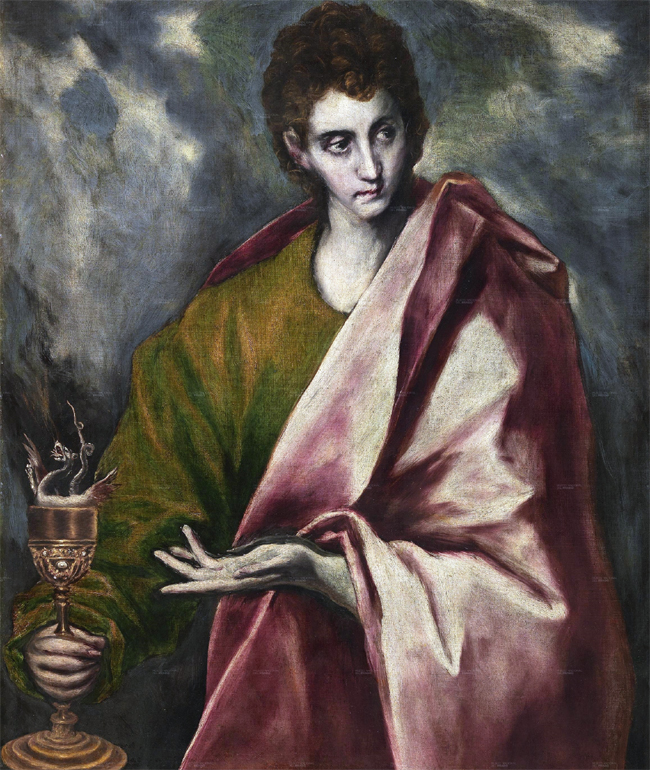
In this reading, Saint Augustine reflects on the opening of the first letter of John and explains how the incarnation makes communion with God possible. A central concern is the reality of Christ: the eternal Word truly became flesh and was encountered through the senses [ … ]
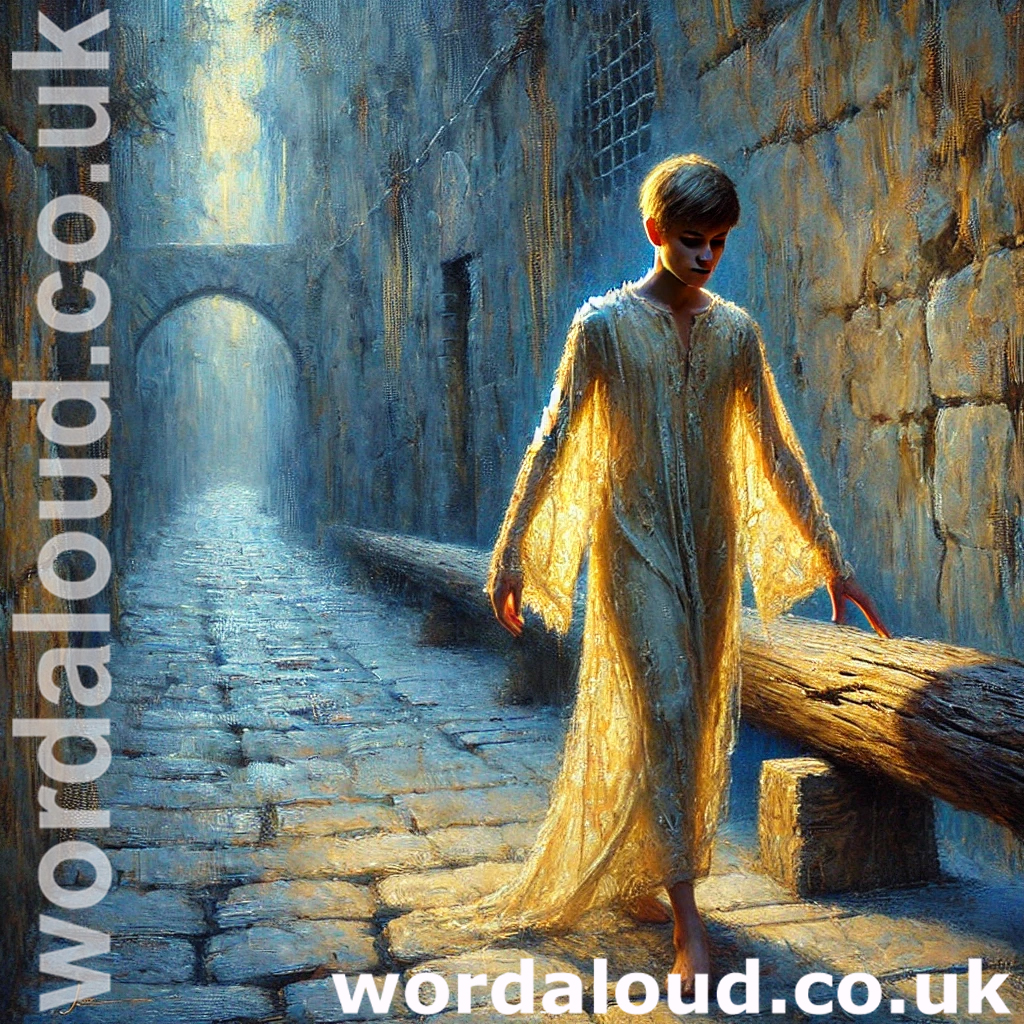
On Easter Thursday, the Church offers us a rich excerpt from the Jerusalem Catecheses, a fourth-century instructional series traditionally attributed to Saint Cyril of Jerusalem. These catechetical homilies were addressed to the newly baptized—those who had just undergone the great mystery of Christian initiation at the Easter Vigil. Today’s reading draws us into the heart of what baptism meant in the early Church—and what it still means for us now [ … ]
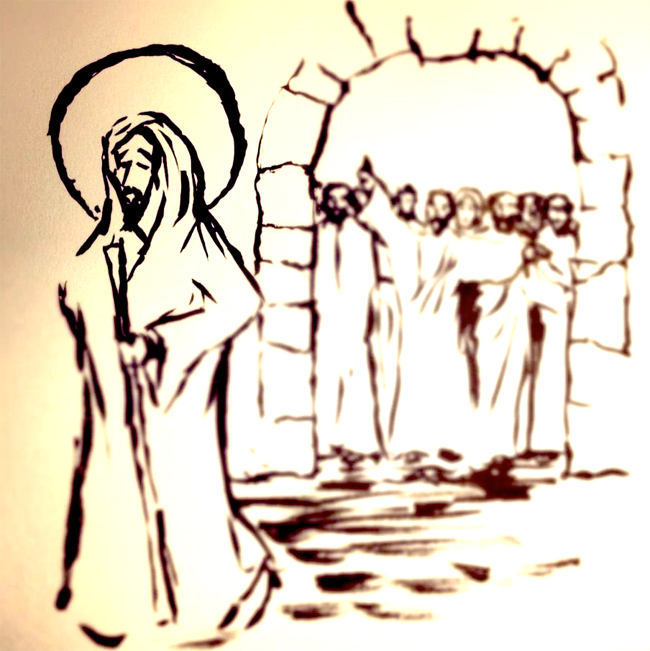
It is all too common in our time to see a beautiful gift or initiative rejected by those who are set against anything new and good. Imagine a child standing up in the midst of a small community filled with hatred, whatever form that hatred might take, and that child saying that there is an alternative to hatred, called love. That child could possibly be killed for so doing [ … ]
