
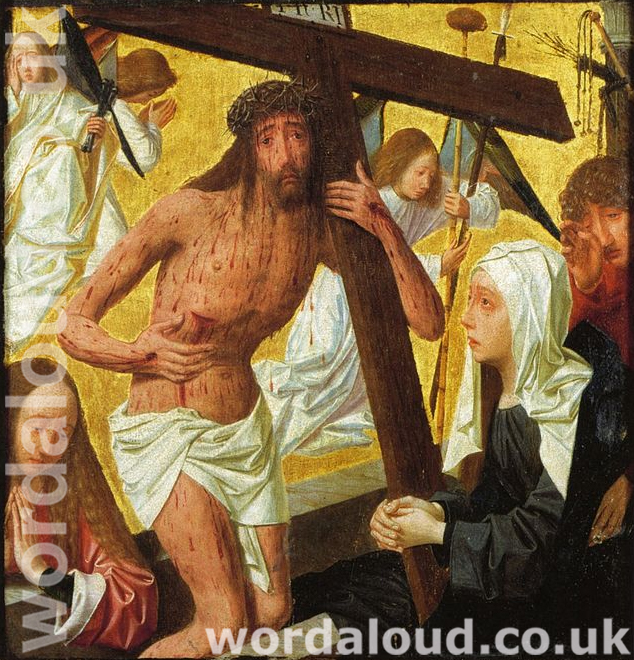
Christian Art | Jesus On The Via Dolorosa | The Cross
Office Of Readings | Week 5, Wednesday, Ordinary Time | A Reading From The Letters Of Saint Ambrose | We Are Heirs Of God And Fellow Heirs With Jesus Christ
‘We are heirs of God, coheirs with Christ.’
In this reading, Saint Ambrose reflects on Saint Paul’s teaching about life in the Spirit and the dignity given to believers as children of God. His focus is on adoption, inheritance, and hope, all of which shape the Christian understanding of suffering and future glory.
Ambrose begins with Paul’s claim that those who put to death sinful deeds by the Spirit will live. This life is not merely moral improvement but participation in a new relationship with God. The presence of the Spirit is the sign that believers are no longer slaves but sons and daughters. This sonship is confirmed inwardly by the Spirit himself, who enables believers to address God with the intimacy of ‘Abba, Father’. For Ambrose, this interior cry is a decisive witness to Christian identity.
Ambrose then turns to the second proof of this sonship: inheritance. To be a child of God is to be an heir, and more specifically a coheir with Christ. Sharing in Christ’s inheritance also means sharing in his path. Glory is inseparable from suffering, and participation in Christ’s suffering is presented not as a loss but as the condition for being glorified with him.
Ambrose places present suffering within a broader perspective. Drawing on Paul’s words, he stresses that present hardships are insignificant when set against the glory that is to come. That future glory is described as restoration to the likeness of God and the direct vision of God. Human destiny is therefore not simply survival beyond death but transformation and communion.
The scope of this hope extends beyond humanity. Ambrose explains Paul’s teaching that creation itself is involved in this drama. The created world shares in humanity’s frustration and awaits the revealing of the sons of God. Creation’s hope is bound to Christ, and its future freedom is linked to the freedom of God’s children. Redemption is thus cosmic in scope, embracing both humanity and the world it inhabits.
For the present, both creation and believers live in a state of longing. The Spirit, already given as firstfruits, awakens desire for what is not yet complete. Adoption is already real within the Church, where the Spirit cries out in believers’ hearts, but it will reach perfection only at the resurrection, when humanity is fully renewed and sees God face to face.
Ambrose concludes by emphasising hope. Salvation is described as something already begun but not yet finished. Hope sustains believers in this in-between time, just as faith does. Christian life is therefore marked by confident expectation, grounded in the work of the Spirit and the promise of God.

A Reading From The Letters Of Saint Ambrose | We Are Heirs Of God And Fellow Heirs With Jesus Christ
The person who puts to death by the spirit the deeds of our sinful nature will live, says the Apostle. This is most surprising since one who has the Spirit of God becomes a child of God. So true is it that he is a child of God that he received not a spirit that enslaves but the Spirit that makes us sons. So much so that the holy Spirit bears witness to our spirit that we are sons of God. This is the witness of the Holy Spirit: he cries out in our hearts, Abba, Father, as we read in the letter to the Galatians.
There is also that other great testimony to the fact that we are sons of God: We are heirs of God, coheirs with Christ. A coheir of Christ is one who is glorified along with Christ. The one who is glorified along with him is one who, by suffering for him, suffers along with him.
To encourage us in suffering, Paul adds that all our sufferings are small in comparison with the wonderful reward that will be revealed in us; our labors do not deserve the blessings that are to come. We shall be restored to the likeness of God, and counted worthy of seeing him face to face.
He enhances the greatness of the revelation that is to come by adding that creation also looks forward to this revealing of the sons of god. Creation, he says, is at present condemned to frustration, not of its own choice, but it lives in hope. Its hope is in Christ, as it awaits the grace of his ministry; or it hopes that it will share in the glorious freedom of the sons of God and be freed from its bondage to corruption, so that there will be one freedom, shared by creation and by the sons of God when their glory will be revealed.
At present, however, while this revealing is delayed, all creation groans as it looks forward to the glory of adoption and redemption; it is already in labour with that spirit of salvation, and is anxious to be freed from its subjection to frustration.
The meaning is clear: those who have the firstfruits of the Spirit are groaning in expectation of the adoption of sons. This adoption of sons is that of the whole body of creation, when it will be as it were a son of God and see the divine, eternal goodness face to face. The adoption of sons is present in the Church of the Lord when the Spirit cries out: Abba, Father, as you read in the letter to the Galatians. But it will be perfect when all who are worthy of seeing the face of God rise in incorruption, in honour and in glory. Then our humanity will know that it has been truly redeemed. So Paul glories in saying: We are saved by hope. Hope saves, just as faith does, for of faith it is said: Your faith has saved you.
Christian Prayer With Jesus Christ
Father of mercy,
you have given us your Spirit
and made us your children in Christ.
Strengthen us to live by the Spirit,
putting to death what leads away from life,
and trusting in the inheritance you have promised.
Give us patience in suffering
and confidence in the glory that is to come.
Sustain our hope
as we await the full redemption of our bodies
and the renewal of all creation.
May your Spirit continue to cry within us,
Abba, Father,
until we see you face to face
and share fully in the glory of your Son.
Through Jesus Christ our Lord.
Amen
Glossary Of Christian Terms
Spirit of God | The Holy Spirit dwelling within believers
Adoption of sons | Being made children of God by grace
Abba, Father | An intimate address to God inspired by the Spirit
Heirs of God | Those who share in God’s promised life
Coheirs with Christ | Believers who share in Christ’s inheritance
Suffering with Christ | Sharing in hardship for the sake of Christ
Glory | The transformed life promised by God
Likeness of God | Restoration of humanity to its intended form
Creation | The whole created order
Bondage to corruption | Subjection to decay and death
Firstfruits of the Spirit | The Spirit as a foretaste of future glory
Redemption | The full restoration of humanity and creation
Hope | Confident expectation of God’s promise



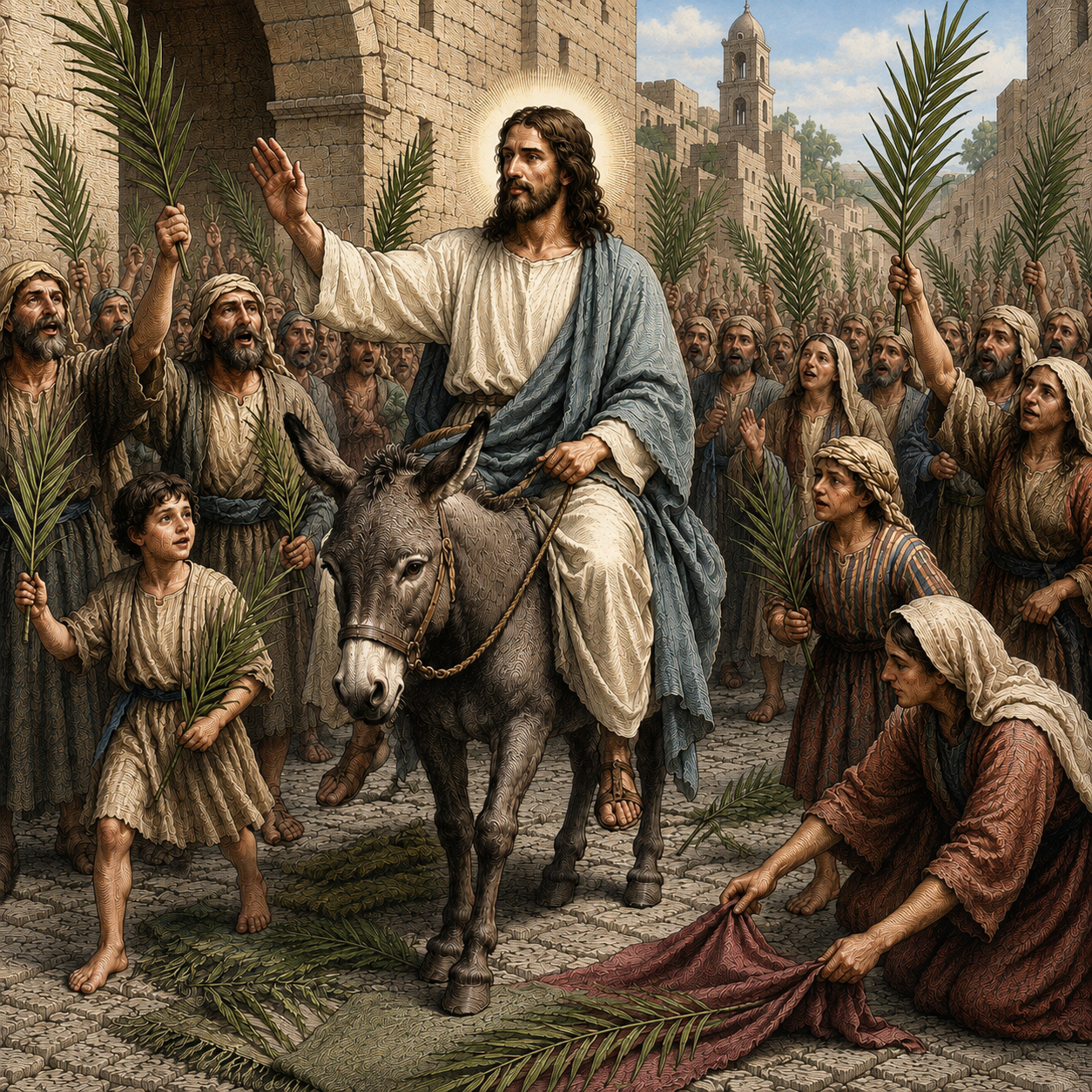
Unlike the Pauline letters, The Epistle To The Hebrews lacks a conventional opening associated with ancient correspondence and begins instead with sustained theological declaration. This resembles extended homily more than a letter, though concluding with epistolary features. Its author is unknown. There is remarkable confidence concerning the person of Christ, the meaning of Israel’s scriptures, and the nature of Christian faith [ … ]
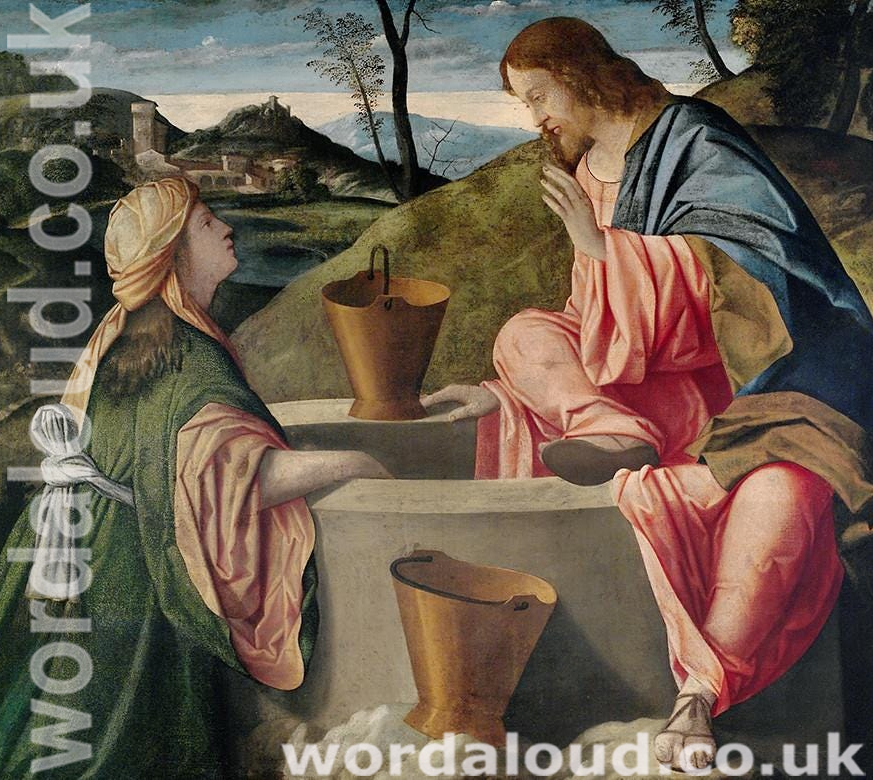
Saint John of the Cross reflects on the difference between the time before Jesus Christ and the time after Jesus’ coming. He begins by recalling that in the ancient law, prophets and priests needed revelations, visions, and signs. This was not a weakness but a necessity: the foundation of faith had not yet been laid, and the gospel had not yet been spoken in its fullness. God therefore met them in many ways—through images, symbols, and partial glimpses. Everything God revealed then pointed toward something greater that had not yet arrived [ … ]

Matthew’s account of Jesus’ healing of the dumb man through exorcism, by casting out the demon possessing him, is brief, and in Matthew’s Gospel Jesus does not respond to the Pharisees’ malicious accusation, as if to say, their evil is evident and does not merit response. Rather, Jesus pours immense effort into his Galilean ministry, teaching and healing, and bringing the people to God [ … ]
